

Concrete steps and porch repair is one of the most common questions Denver homeowners face heading into fall and winter — especially when cracking, spalling, or uneven steps start to show. Since steps take repeated foot traffic and sit exposed to every freeze-thaw cycle Colorado throws at them, knowing when a repair is enough versus when replacement is the smarter move can save you money and prevent a safety issue down the road. After completing step and porch projects across the Denver metro, CC Concrete LLC breaks down how to make that call.
This guide covers the warning signs, what drives the repair-vs-replace decision, and what to expect either way.
Not sure if your steps need repair or replacement? Request a free on-site estimate from CC Concrete LLC →
Warning signs your concrete steps need attention
Not all step damage looks the same, and the type of damage tells you a lot about whether repair will hold up or whether you're looking at a bigger problem underneath.
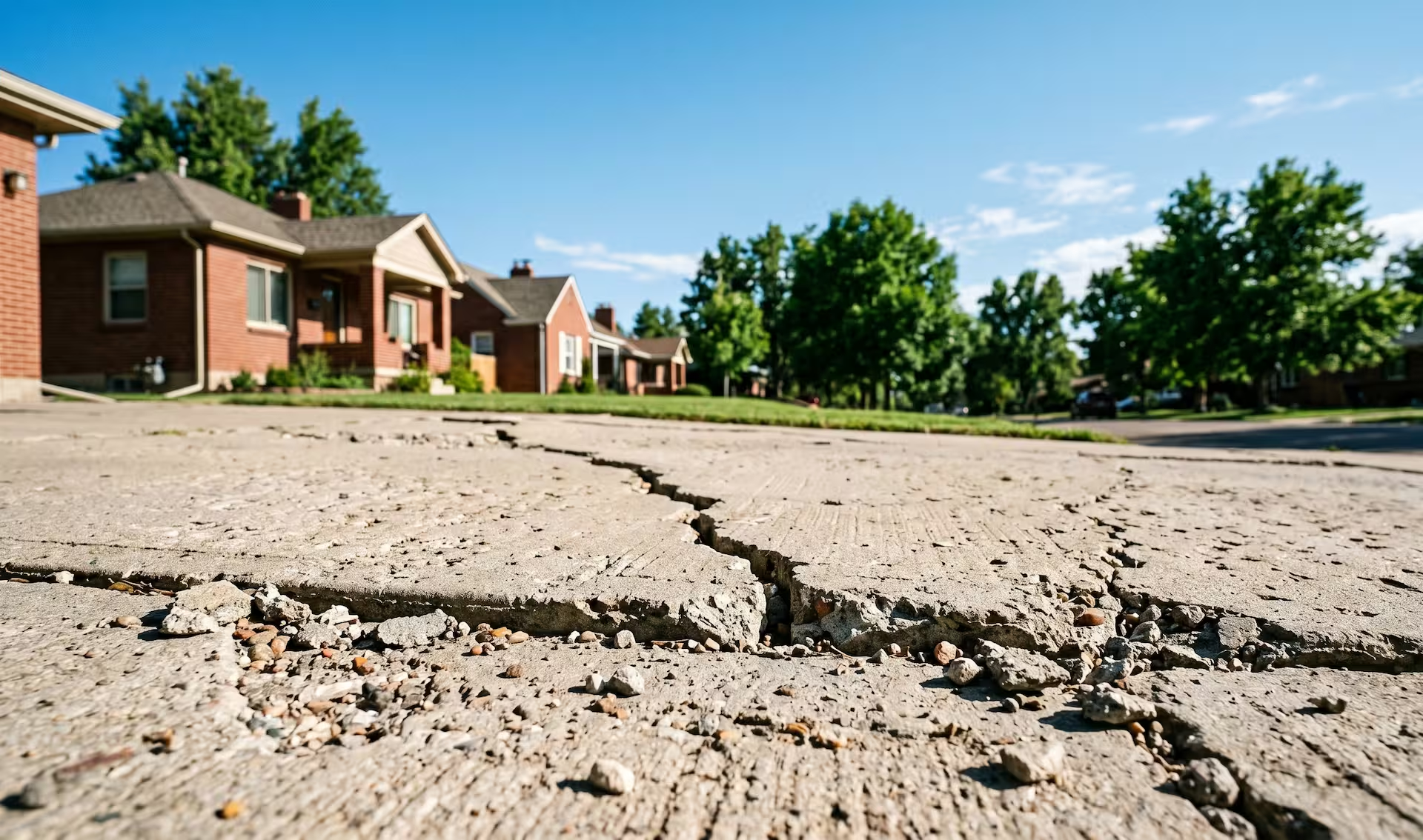
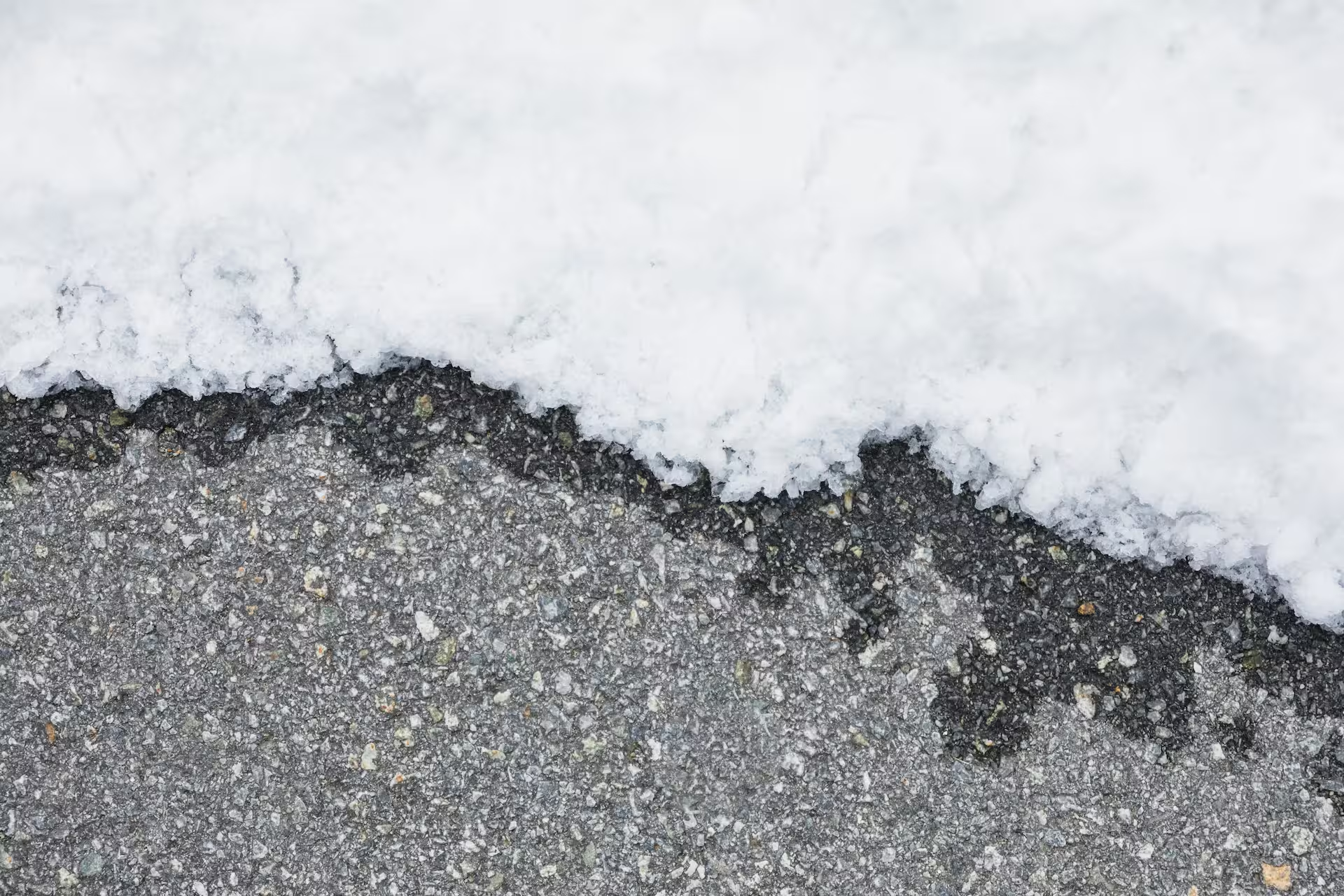
- Surface spalling: Flaking, pitting, or a rough, crumbling top layer — usually caused by moisture and deicing salt working into the surface over time.
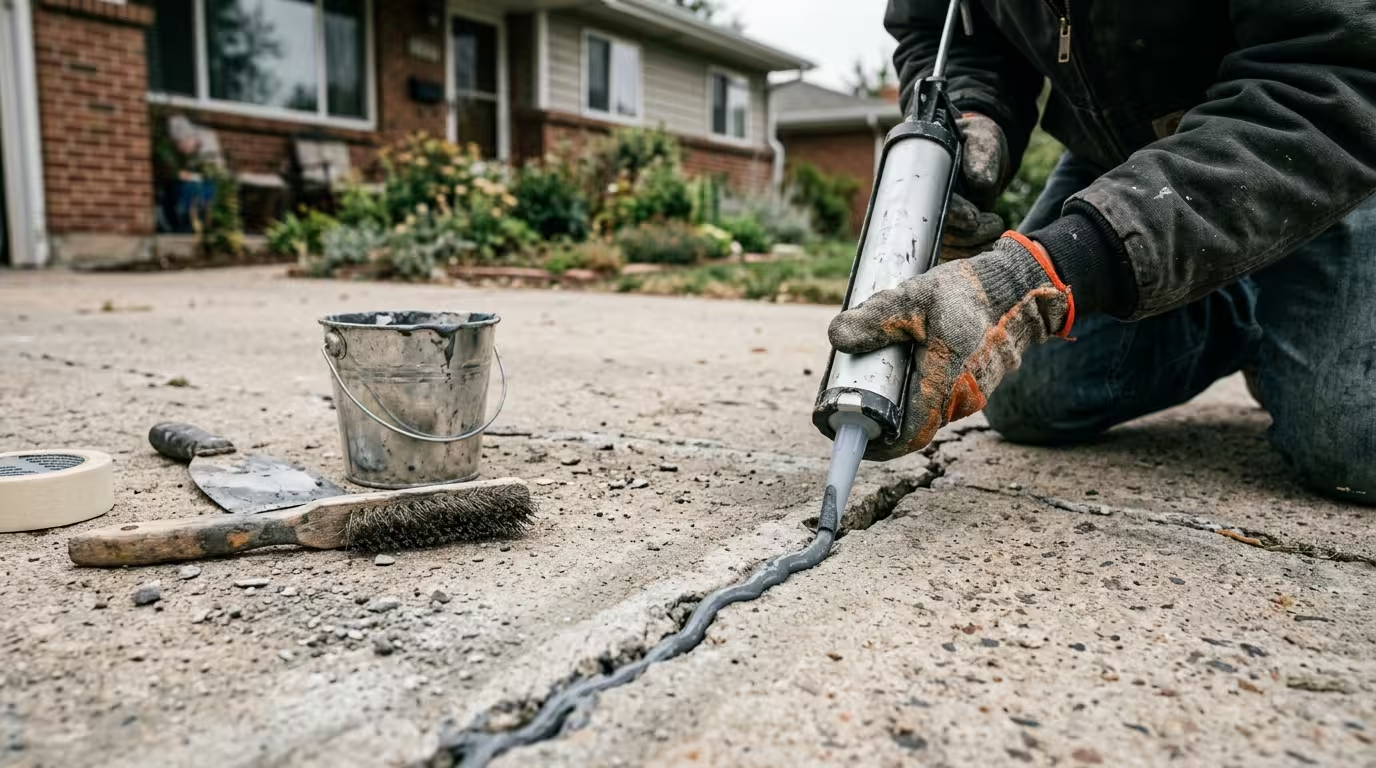
- Hairline cracks: Thin surface cracks that haven't widened or shifted are typically cosmetic and can be sealed or patched.
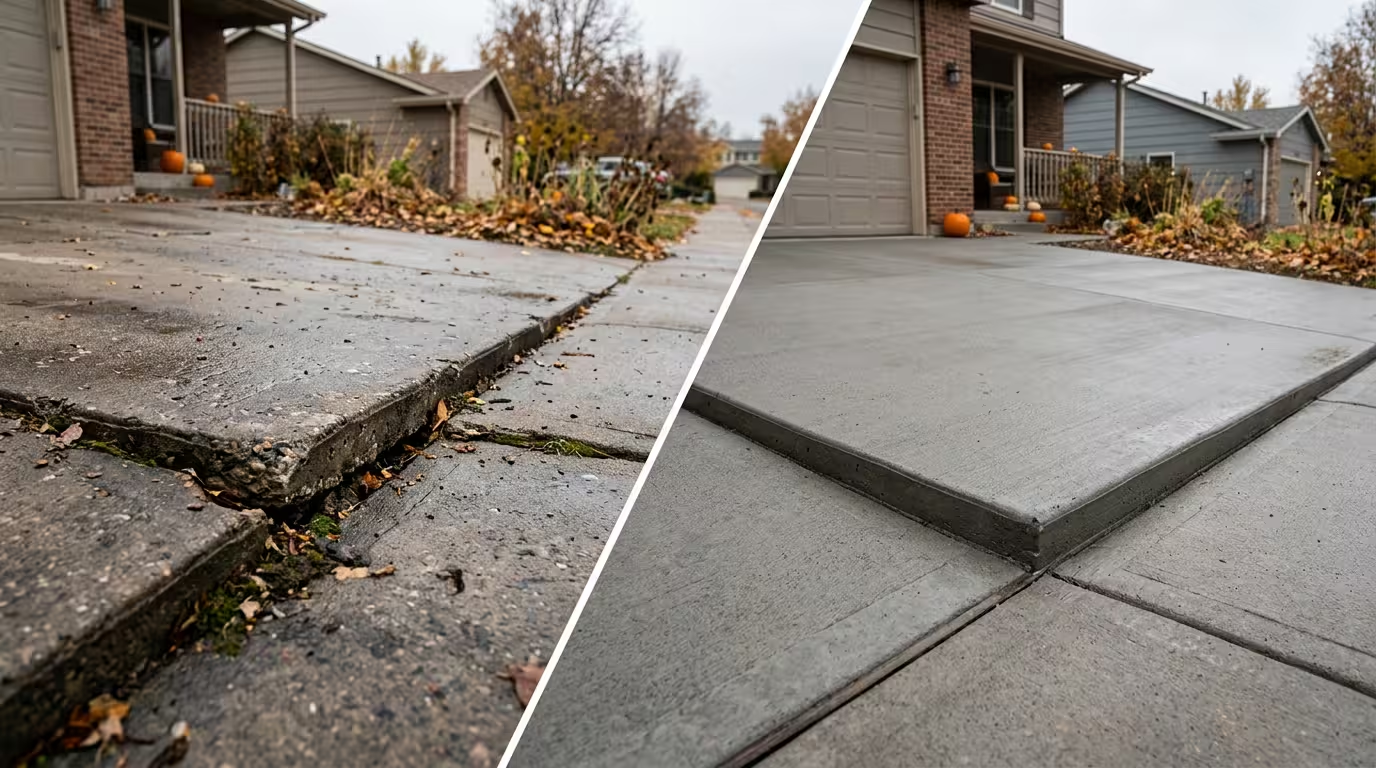
- Step separation: Visible gaps where a step has pulled away from the main slab or the house foundation often point to settling underneath.
- Uneven or sloped steps: Steps that no longer sit level usually indicate sub-base failure rather than a surface-level problem.
When repair is the right call
Repair makes sense when the damage is limited to the surface and the underlying structure remains sound. This typically includes:
- Surface spalling or flaking that hasn't exposed the rebar underneath
- Isolated hairline cracks that haven't widened over multiple seasons
- Minor chipping at step edges from years of foot traffic
In these cases, a bonded concrete patch or resurfacing overlay restores a smooth, safe surface at a fraction of the cost of replacement — often completed in a single day.
When replacement is the smarter long-term choice
Some damage patterns indicate a structural issue that repair simply can't fix. If you're seeing any of the following, replacement is almost always the better investment:
- Visible rebar or wire mesh: Once reinforcement is exposed, the step has lost structural integrity and will continue deteriorating.
- Steps separating from the porch or foundation: This usually means the sub-base has settled, and a surface patch won't hold for long.
- Deep cracks running through the full depth of the step: These indicate the step is structurally compromised, not just cosmetically damaged.
- Repeated repairs that keep failing: If you've patched the same area more than once in a few years, the underlying cause hasn't been addressed.
For more on evaluating damage across your property, see our guide on 5 signs your concrete needs replacement.
Why Denver's climate is especially hard on steps
Concrete steps face more concentrated stress than flat driveways or patios, since water collects on horizontal surfaces and freezes repeatedly through Colorado's 160+ annual freeze-thaw cycles.
- Water pooling on treads: Flat step surfaces collect moisture that has nowhere to drain, accelerating freeze-thaw damage compared to sloped surfaces.
- Deicing salt concentration: Steps near entryways get the heaviest salt exposure of any concrete surface on the property, since most homeowners salt steps first.
- Repeated foot traffic on edges: Step edges and nosings wear faster than the rest of the slab simply from daily use.
For more on how these conditions affect concrete over time, see our guide on how long concrete lasts in Colorado.
Frequently asked questions about concrete step repair in Denver
How much does concrete step repair cost compared to replacement?
Repair typically costs $300 to $800 per step depending on damage severity, while full replacement runs $1,500 to $4,000 for a standard 3 to 4-step entryway, depending on size and finish.
Can I repair steps myself with a DIY patch kit?
For very minor cosmetic chips, DIY patches can work temporarily. However, most step damage involves moisture infiltration and bonding challenges that require professional-grade bonding agents and proper surface preparation to hold up through Denver's freeze-thaw cycles.
Is it safe to use steps with visible cracks?
Hairline cosmetic cracks generally don't pose a safety risk. However, cracks that affect step stability, cause unevenness, or expose rebar should be addressed promptly, since they can worsen quickly and create a trip hazard.
How long does step replacement take?
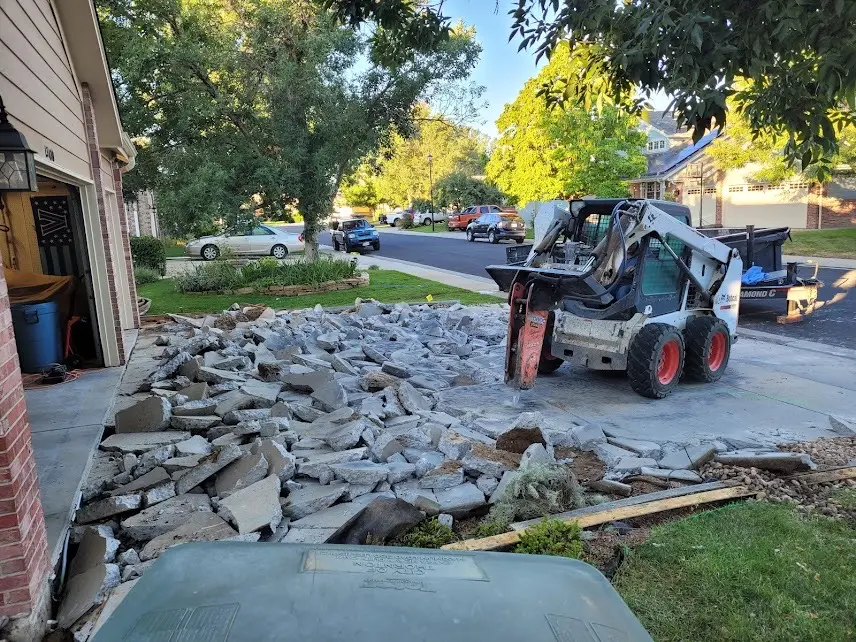
Most residential step replacements are completed in 1 to 2 days, including demolition, forming, and the pour and finish. You can use the steps carefully within 24 to 48 hours, with full strength reached after about a week.
Get a free step repair or replacement estimate in Denver
CC Concrete LLC has repaired and replaced concrete steps and porches across Denver, Thornton, Erie, Brighton, Broomfield, Westminster, Arvada, and surrounding communities for over 30 years. Every project starts with an honest on-site assessment to determine whether repair or replacement is the right call for your steps. Seniors and military members receive a 10% discount on all projects.
- Licensed and insured — serving Denver metro since 1994
- 500+ residential and commercial concrete projects completed
- Honest repair-vs-replace recommendations, no upselling
- Air-entrained concrete mix for Denver's freeze-thaw conditions
- Most step projects completed in 1 to 2 days
Getting the call right the first time
Knowing when to repair versus replace concrete steps comes down to whether the damage is surface-level or structural. Surface spalling and hairline cracks are usually fixable, while separation, exposed rebar, and deep structural cracks call for replacement. CC Concrete LLC gives you a straightforward, honest assessment so you invest in the right fix the first time. Schedule your free on-site estimate today →



.avif)

.avif)

.avif)
.webp)