
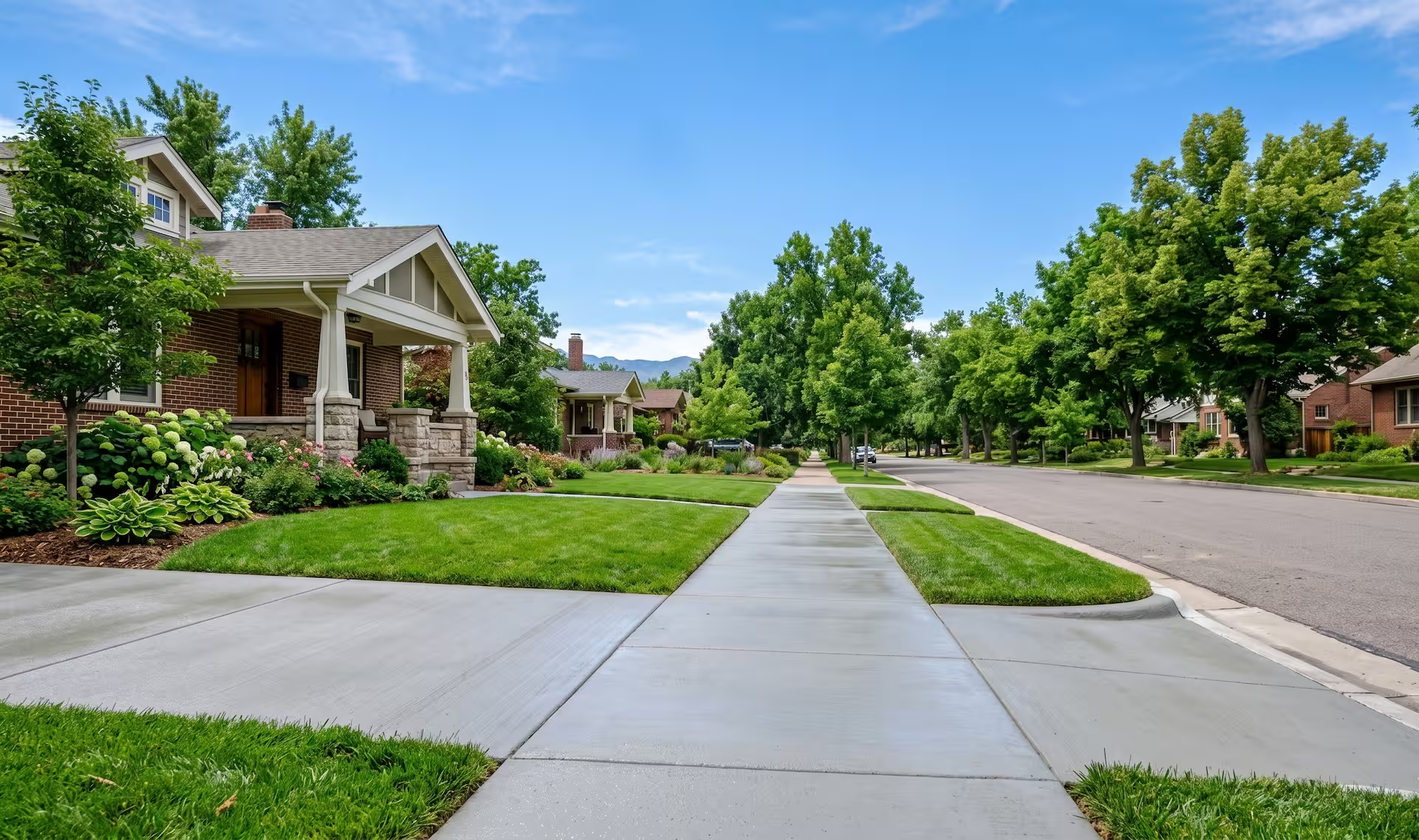
The concrete sidewalk cost in Denver is one of the most straightforward concrete projects a homeowner can undertake — but in Colorado's climate, the difference between a sidewalk that lasts 30 years and one that cracks in five comes down entirely to how it was installed. After 500+ projects across Denver, Thornton, Erie, Brighton, and Broomfield, CC Concrete LLC breaks down real 2026 pricing, what drives the cost up or down, and what permit requirements you need to know before you start.
Whether you're replacing a heaved sidewalk damaged by tree roots or Denver's freeze-thaw cycles, or adding a new walk to your property, this guide gives you everything you need to budget accurately and hire the right contractor.
Ready to get a number for your sidewalk project? Request a free on-site estimate from CC Concrete LLC →
2026 concrete sidewalk cost in Denver: real pricing ranges
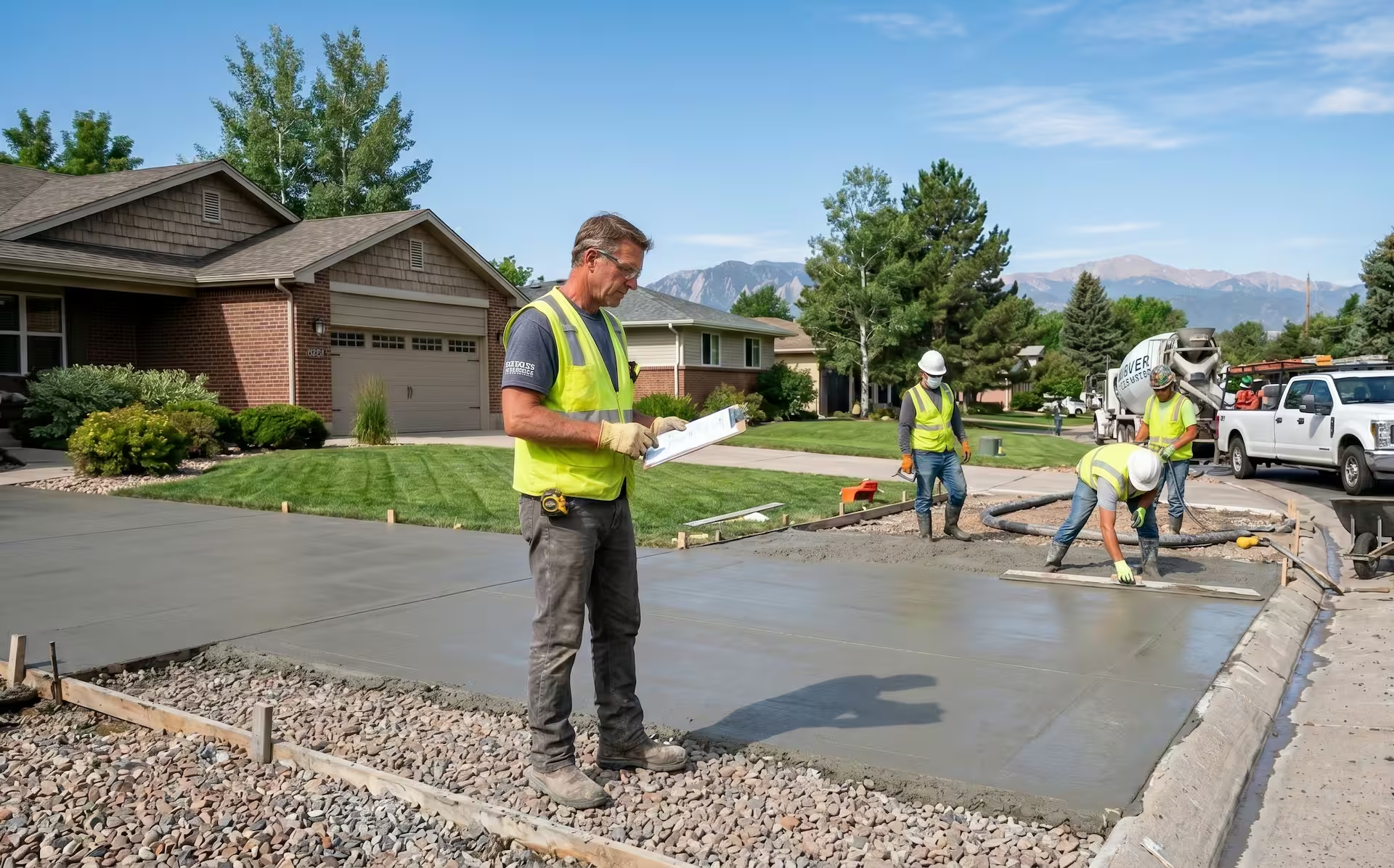
Based on projects we completed across the Denver metro in 2025 and 2026, here are realistic cost ranges for concrete sidewalk installation — including excavation, sub-base preparation, pour, finishing, and cleanup:
These figures reflect Denver metro conditions as of 2026 — including local labor rates, material costs, and the sub-base preparation Denver's clay soils require. Additionally, projects near the public right-of-way in communities like Thornton, Erie, and Westminster typically require permits that add time and cost to the project.
For a broader look at concrete pricing across all project types, see our 2026 Denver concrete cost guide.
What affects concrete sidewalk cost in Denver
Several factors push sidewalk costs above or below the averages above. Understanding them helps you evaluate quotes accurately and avoid budget surprises after work begins.
Length, width, and thickness
Standard residential sidewalks are 4 feet wide and 4 inches thick. Public sidewalks near the right-of-way are often required to be 5 or 6 feet wide depending on local code. Wider and thicker sidewalks cost more per linear foot — but also last longer and handle foot traffic and soil movement better.
Denver's clay soil and sub-base requirements
Denver's expansive clay soil shifts with moisture changes — expanding when wet, contracting when dry. A sidewalk poured directly on unstable clay without proper excavation and compacted gravel base will heave, crack, and become a trip hazard within a few years. Therefore, every sidewalk we install includes proper excavation and 4 inches of compacted gravel sub-base as standard.
Tree roots and existing obstacles
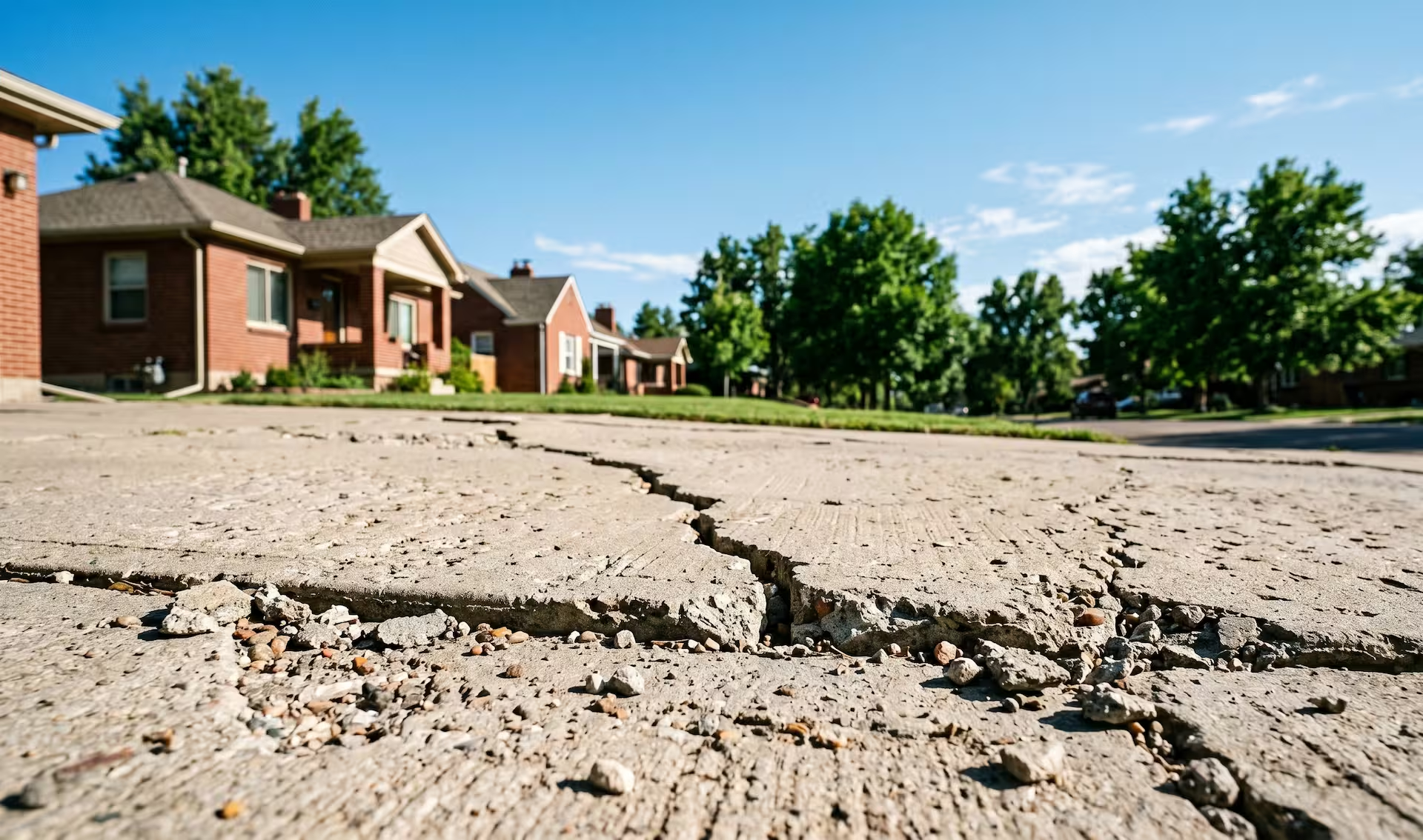
Tree roots are one of the leading causes of sidewalk damage in Denver neighborhoods. If your replacement project involves root cutting or removal around existing trees, additional labor and root barrier installation may be required. This is something to address in the estimate — not after the pour.
Old concrete removal
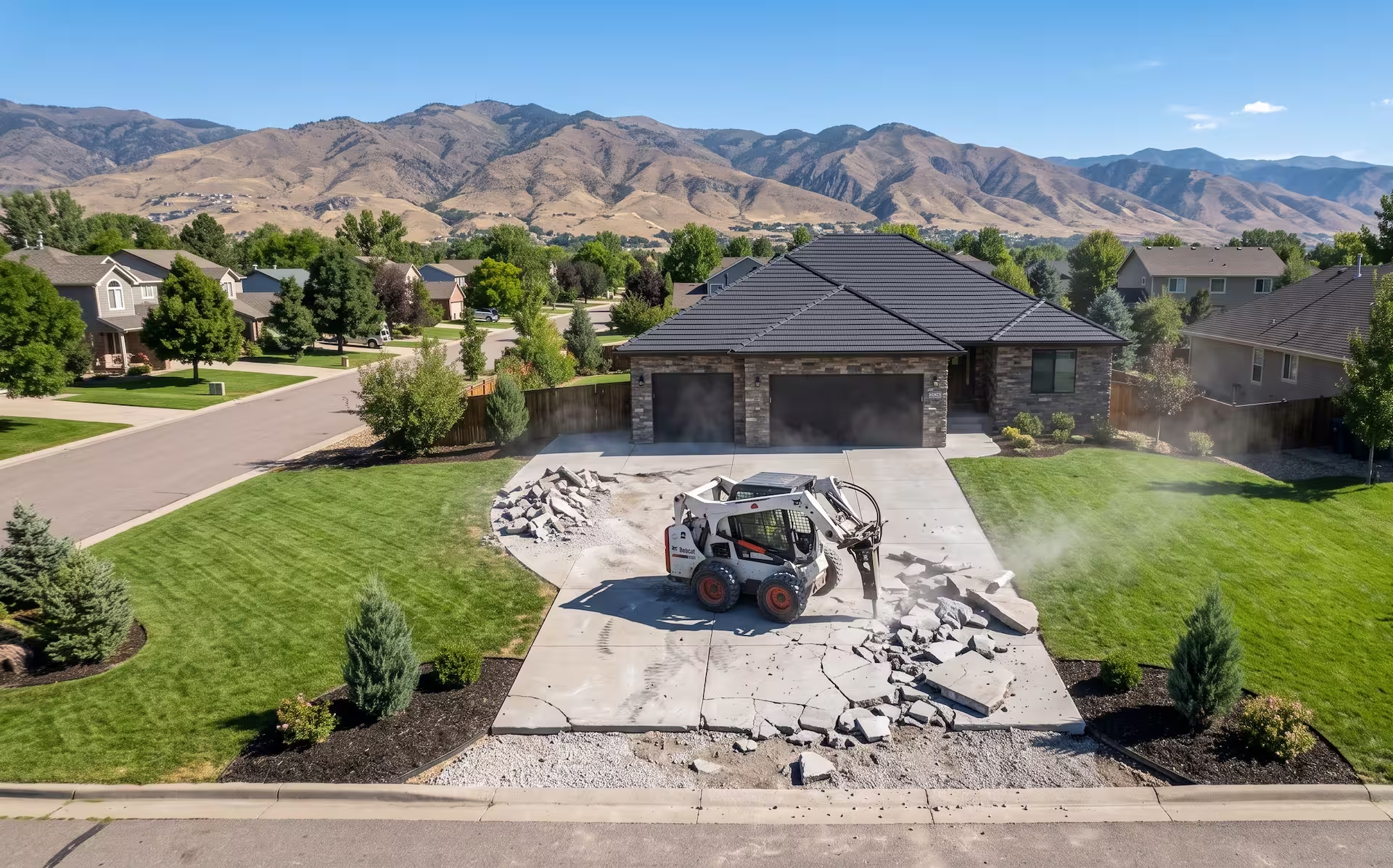
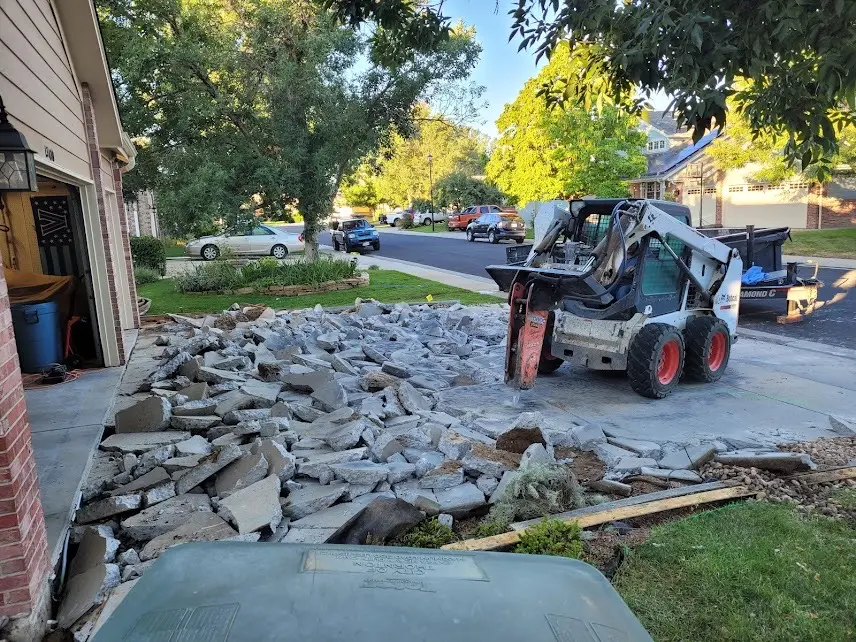
Demolition and haul-away of an existing sidewalk typically adds $1.50 to $3 per square foot to the project total. However, removing the old slab and properly preparing the base is almost always the right decision — resurfacing over a failed sub-base only delays the same problem.
Finish type
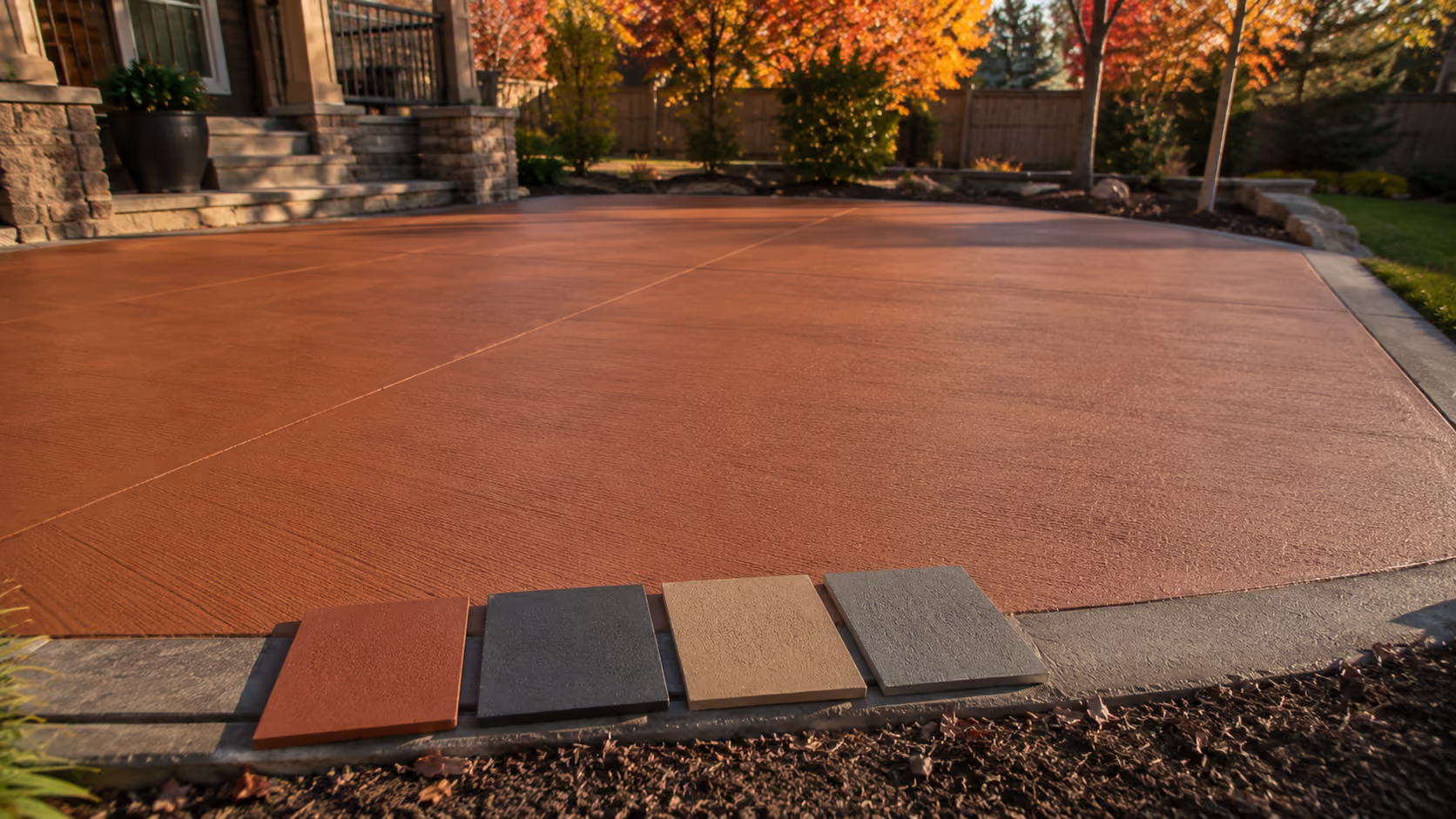
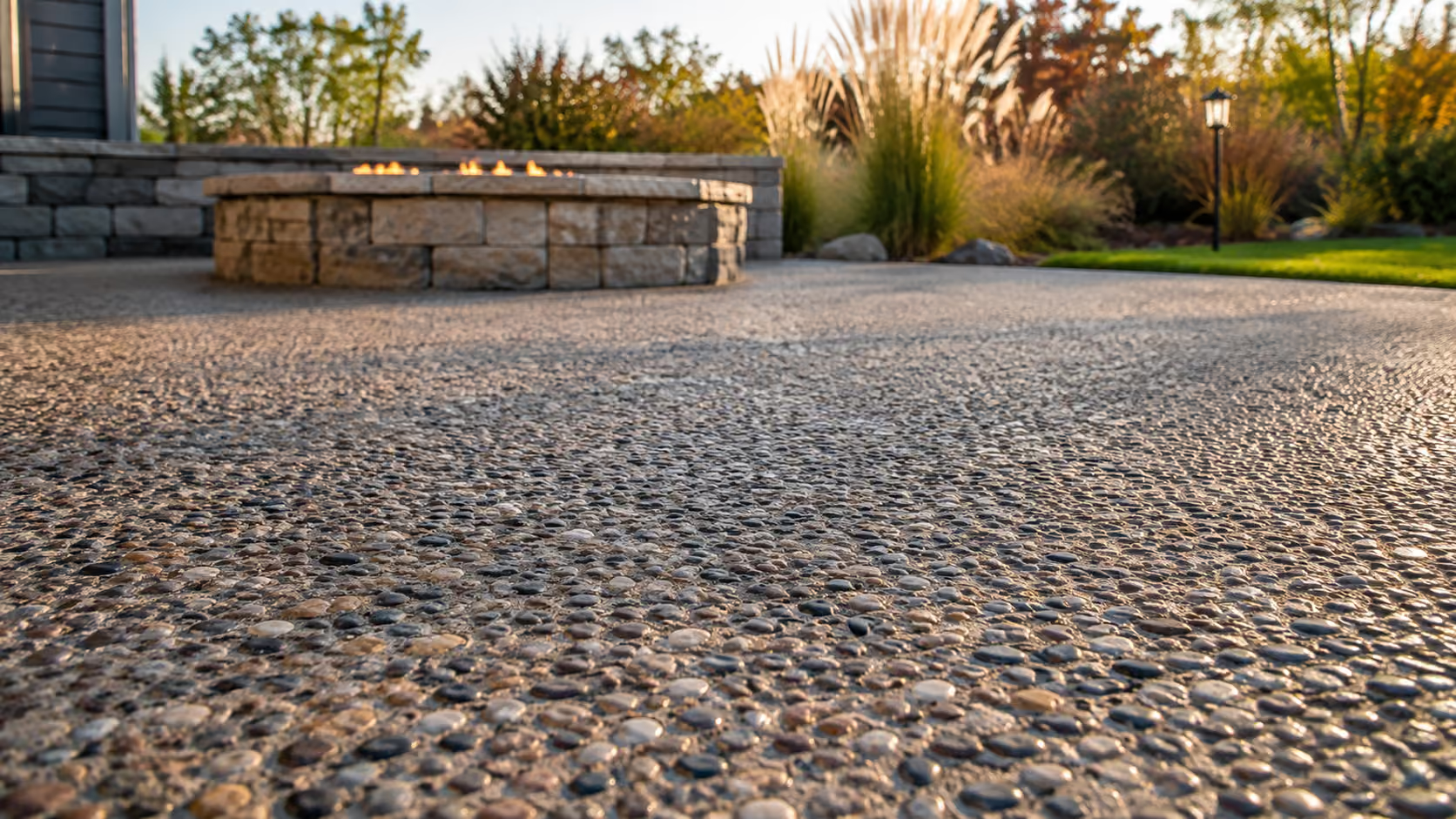
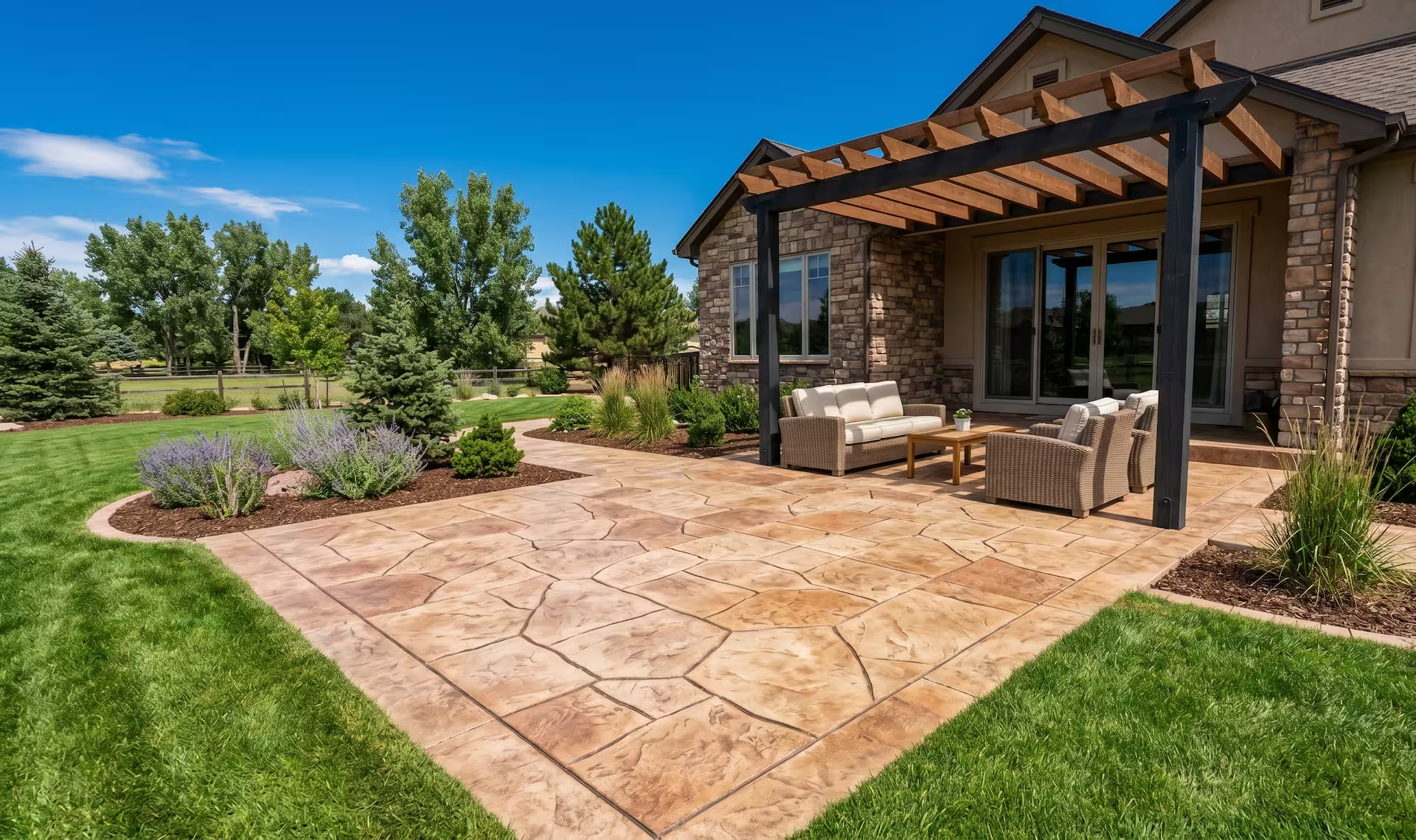
A standard broom finish is slip-resistant, durable, and the most cost-effective option for residential sidewalks. Exposed aggregate and decorative finishes add visual appeal but also add labor and material cost. See our guide on the best concrete finishes for Colorado for a detailed breakdown of options.
Permit requirements for concrete sidewalks in Denver
Permit requirements for sidewalks in Denver vary significantly depending on location and scope. Here's what you need to know before your project begins:
- Private sidewalks on your property: Generally do not require permits as long as they remain within your property line and don't affect drainage or grade significantly.
- Public right-of-way sidewalks: Any sidewalk adjacent to a public street — including driveway aprons — typically requires a permit from the local municipality. This applies across Denver, Thornton, Erie, Westminster, Brighton, and most North Denver communities.
- ADA compliance: Public sidewalk projects near curb cuts or accessible routes may need to meet ADA standards for slope, width, and surface texture.
- HOA requirements: Some Denver communities have HOA guidelines on sidewalk materials and finishes. CC Concrete LLC reviews applicable requirements before every project.
CC Concrete LLC handles permit research and application on every project we complete — so you don't have to navigate municipal requirements on your own.
The Colorado factor: what Denver's climate does to sidewalks
Denver's climate is uniquely demanding on concrete sidewalks. The combination of expansive clay soil, freeze-thaw cycles, intense UV exposure, and deicing salt creates conditions that accelerate sidewalk deterioration when installation shortcuts are taken.
- Freeze-thaw cycles: Denver averages 160+ freeze-thaw cycles per year. Water that infiltrates unsealed concrete expands when it freezes, causing surface scaling and internal cracking. Air-entrained concrete mixes and proper sealing are essential defenses.
- Clay soil movement: Denver's clay expands and contracts with moisture changes, exerting upward pressure on sidewalk slabs. Proper sub-base compaction is the primary protection against heaving and cracking.
- Deicing salt damage: Salt tracked from roads and applied to icy sidewalks accelerates surface deterioration. A properly sealed sidewalk resists salt infiltration far better than an unsealed one.
- UV exposure: Colorado's high-altitude sun is more intense than at lower elevations. Sealing protects concrete color and surface integrity from UV degradation over time.
A properly installed and sealed concrete sidewalk in Denver should last 25 to 40 years. For more on concrete longevity in Colorado, see our guide on how long concrete lasts in Colorado.
Repair vs. replacement: when to replace your Denver sidewalk
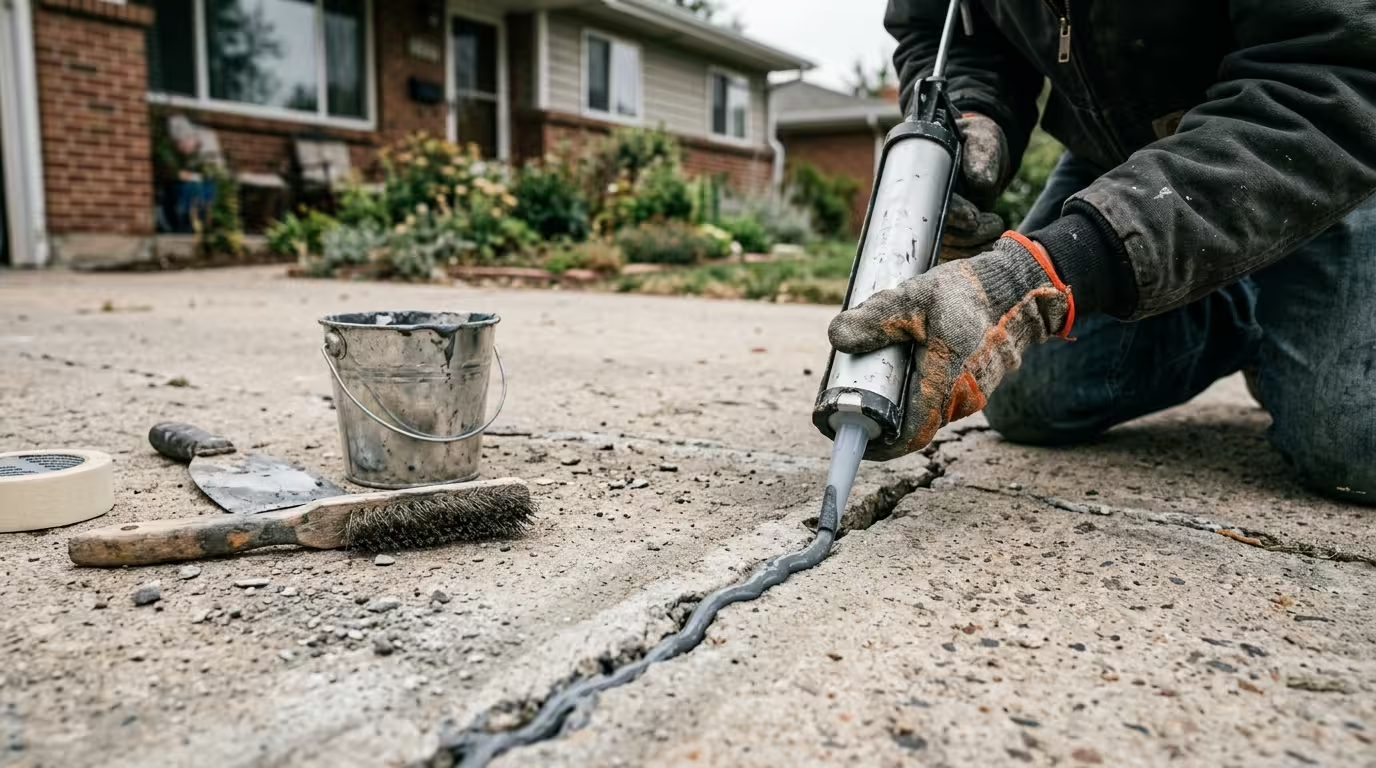
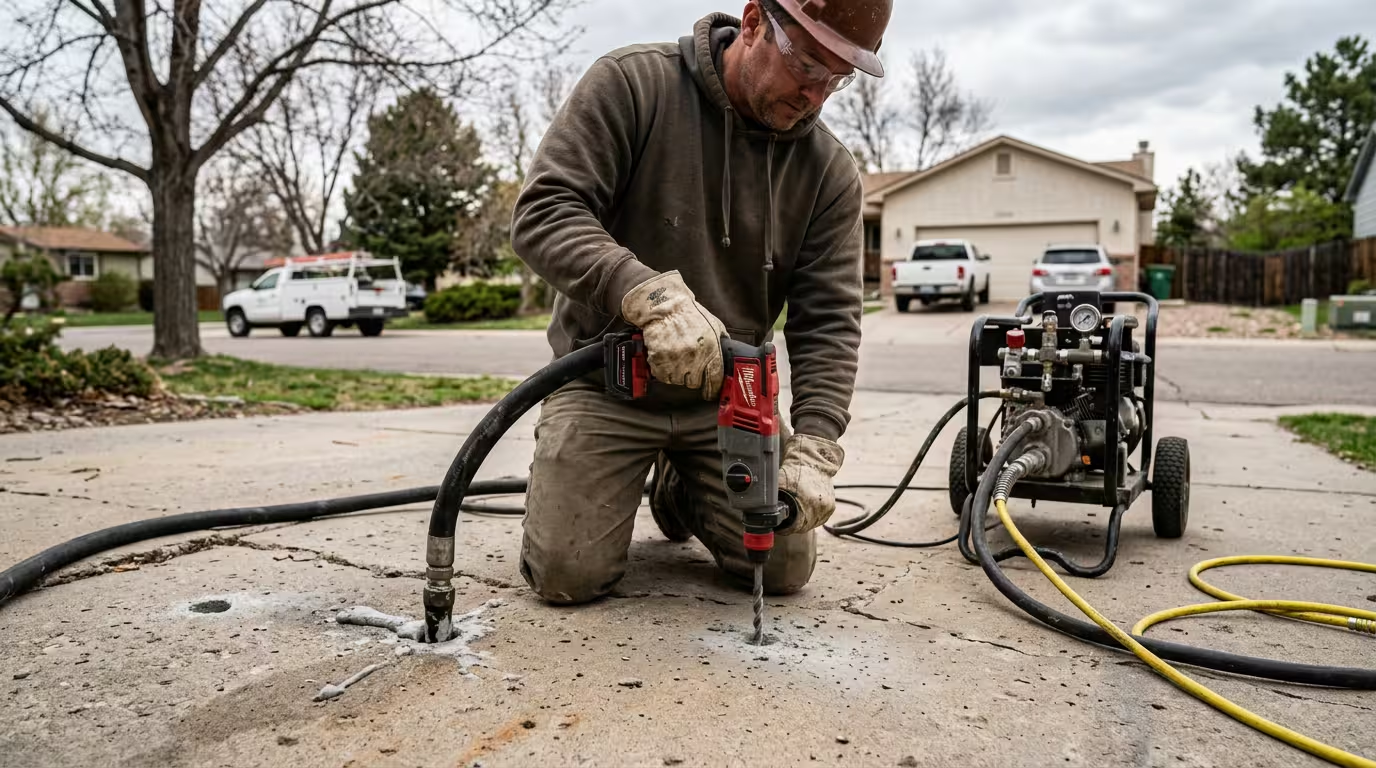
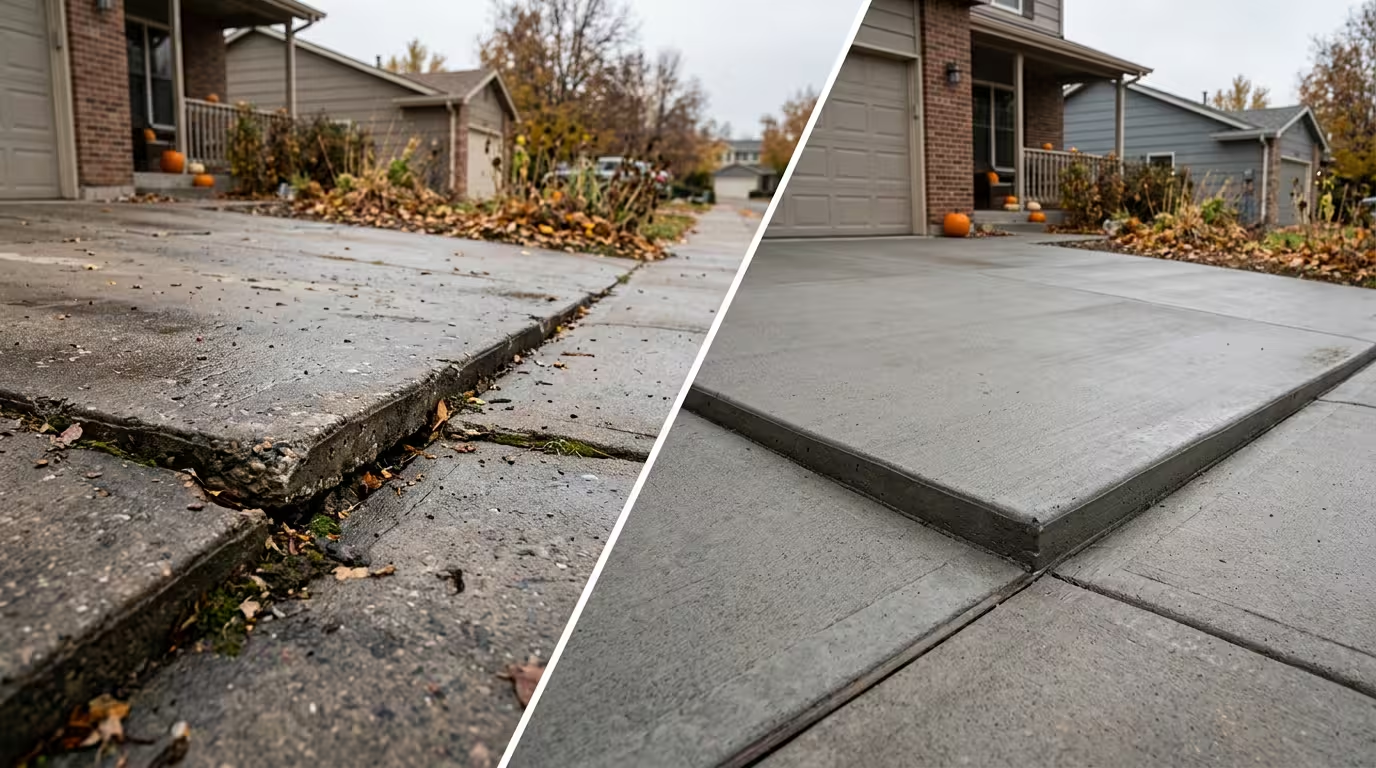
Not every damaged sidewalk needs full replacement. However, in Denver's clay soil conditions, surface repairs on a structurally failed slab rarely provide lasting results. Here's how to evaluate your situation:
For a detailed look at damage indicators, see our guide on 5 signs your concrete needs replacement this spring.
Frequently asked questions about concrete sidewalk cost in Denver
How long does a concrete sidewalk last in Denver?
A properly installed concrete sidewalk in Denver — with compacted sub-base, correct concrete mix, and regular sealing — should last 25 to 40 years. The most common causes of premature failure are inadequate sub-base preparation and failure to seal against moisture and deicing salt.
Who is responsible for sidewalk repairs in Denver?
In most Denver metro municipalities, the adjacent property owner is responsible for maintaining the public sidewalk in front of their property — even though the sidewalk is technically in the public right-of-way. This includes repairs to trip hazards and damage caused by tree roots. CC Concrete LLC handles permit requirements for all right-of-way work.
How long before I can walk on my new sidewalk?
You can walk on a new concrete sidewalk after 24 to 48 hours. However, avoid heavy foot traffic, furniture, or equipment for at least 7 days while the concrete reaches working strength.
Do I need to seal my concrete sidewalk in Denver?
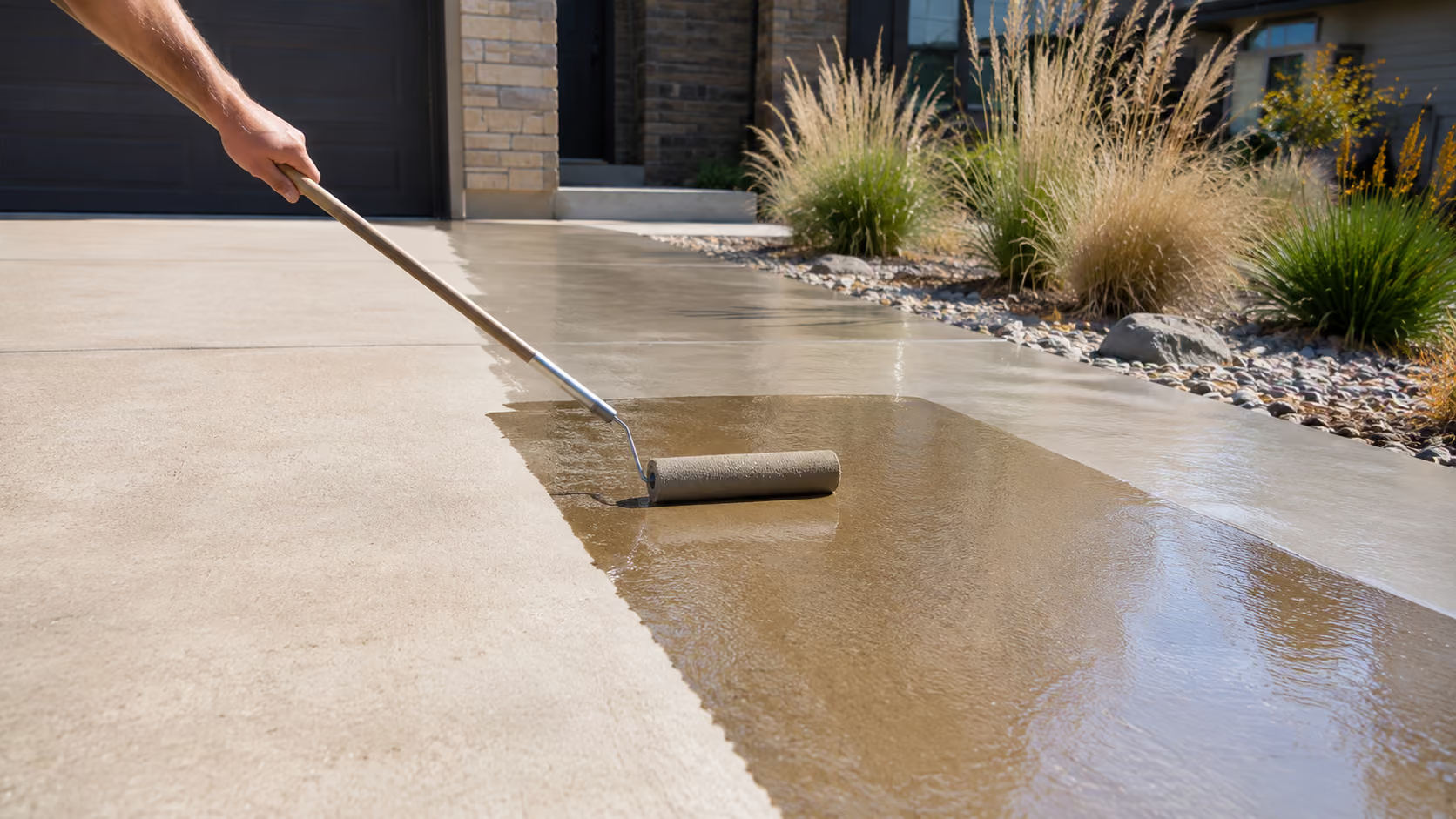
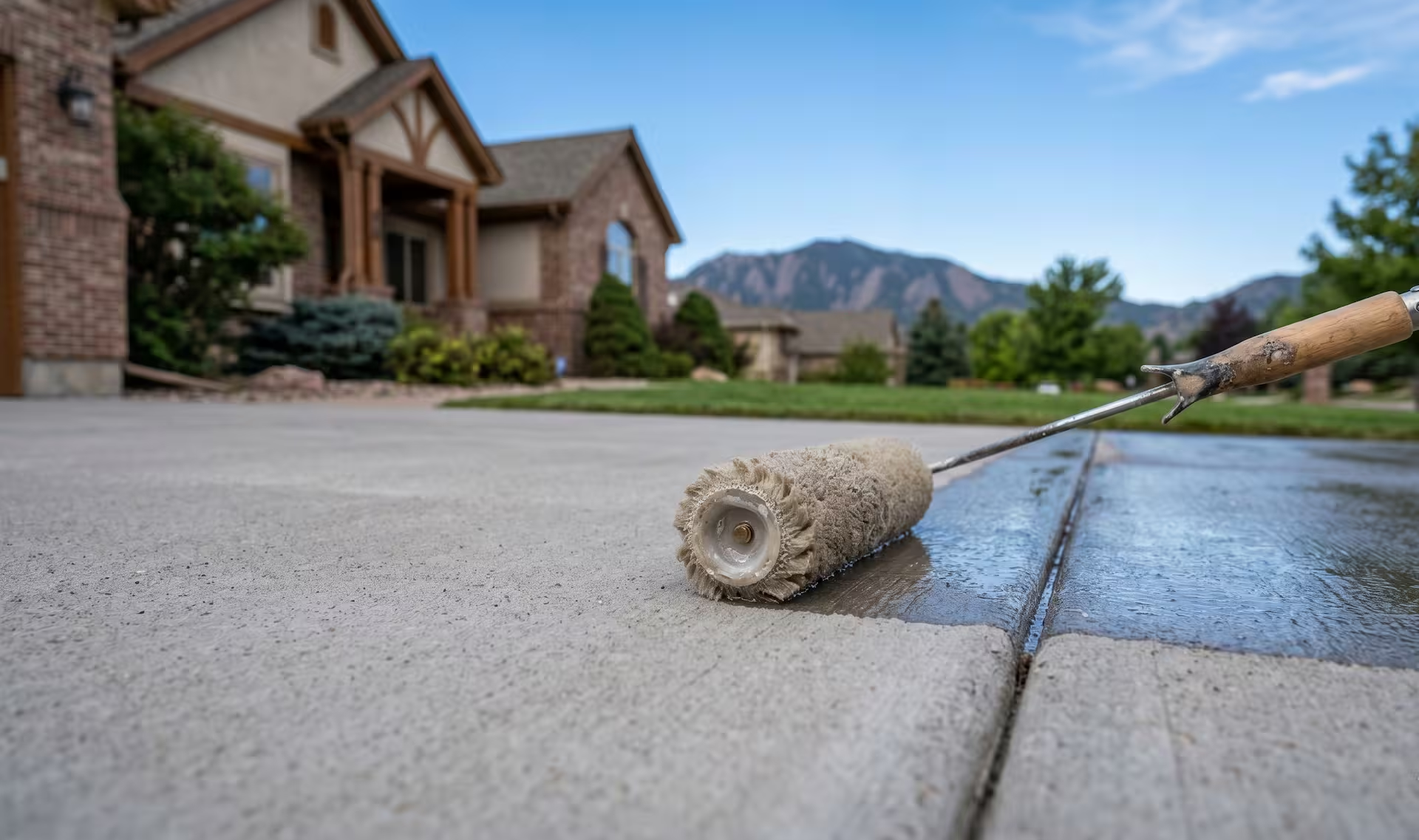
Yes — and in Colorado's climate, sealing is strongly recommended. Sealing protects against moisture infiltration, deicing salt damage, and UV degradation. We apply sealer on every sidewalk we install and recommend resealing every 2 to 3 years.
Get a free concrete sidewalk estimate in Denver
CC Concrete LLC has installed and replaced concrete sidewalks across Denver, Thornton, Erie, Brighton, Broomfield, Westminster, Northglenn, and surrounding communities for over 30 years. Every project includes a free on-site estimate, transparent line-item pricing, and full permit research and compliance. Seniors and military members receive a 10% discount on all projects.
- Licensed and insured — serving Denver metro since 1994
- 500+ residential and commercial concrete projects completed
- Compacted gravel sub-base and air-entrained concrete mix standard
- Permit research and right-of-way compliance handled on every project
- Most sidewalk projects completed in 1 day
A concrete sidewalk built for Denver's demands
A concrete sidewalk in Denver costs between $8 and $18 per square foot in 2026, with most residential projects falling between $1,200 and $3,500. Furthermore, in a city where clay soils, freeze-thaw cycles, and deicing salt all work against concrete longevity, the installation process matters as much as the price. CC Concrete LLC builds every sidewalk to the standards Denver's environment demands — with the references, completed projects, and transparent pricing to back it up. Schedule your free on-site estimate today →




.avif)

.avif)

.avif)
.webp)