.webp)
Concrete projects are a major investment for Denver homeowners. Whether you are planning a new driveway, a backyard patio, or essential repairs, the first question is always: "How much does concrete cost in Denver?"
In 2026, pricing is influenced by material costs, local labor rates, and Colorado’s unique soil conditions. This guide breaks down everything you need to know to budget accurately and hire the right team for your property in the Mile High City.
In the Denver metro area, most residential concrete projects range between $8 and $18 per square foot. The wide range depends on the type of finish and the amount of site preparation required. For common projects, these are the estimated ranges in our region:
A "cheap" quote often hides missing essentials. In Denver, there are specific factors that dictate the final price of your project:
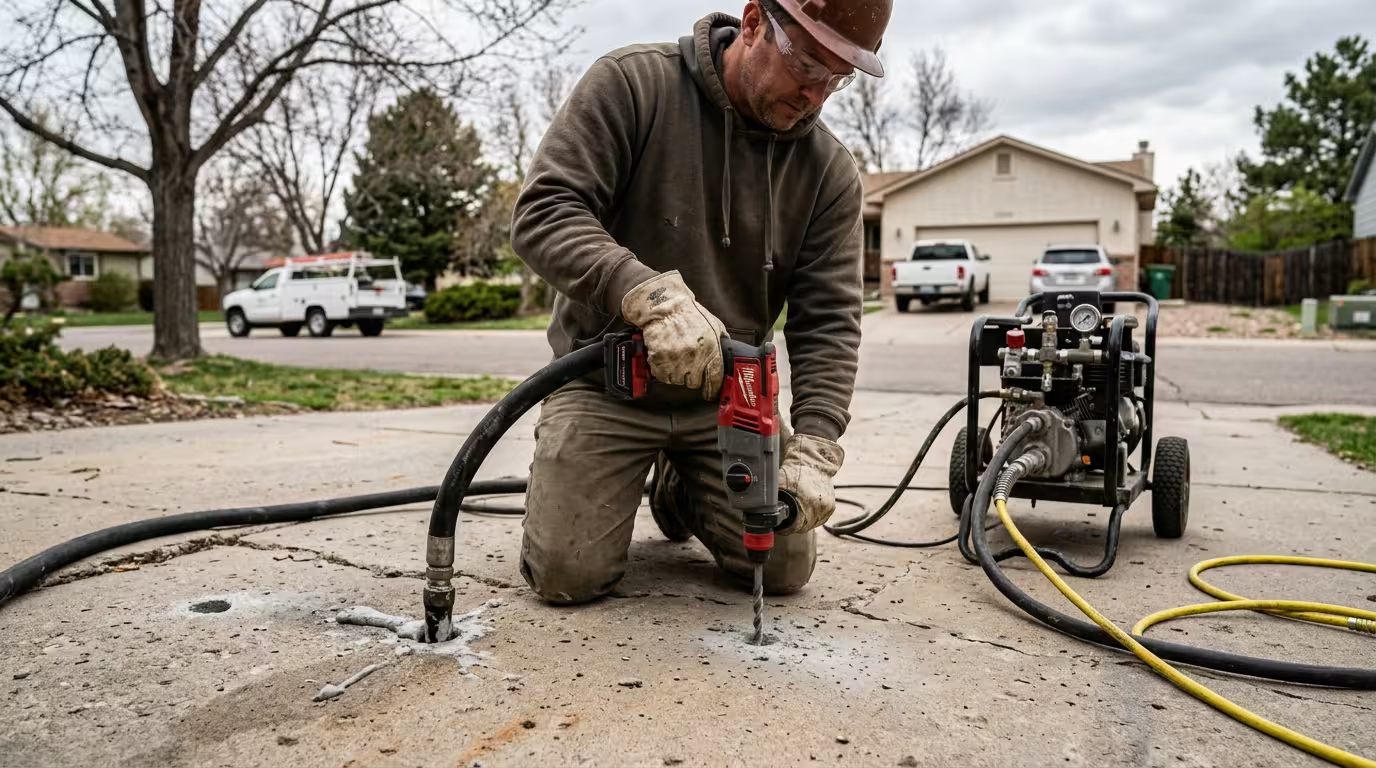
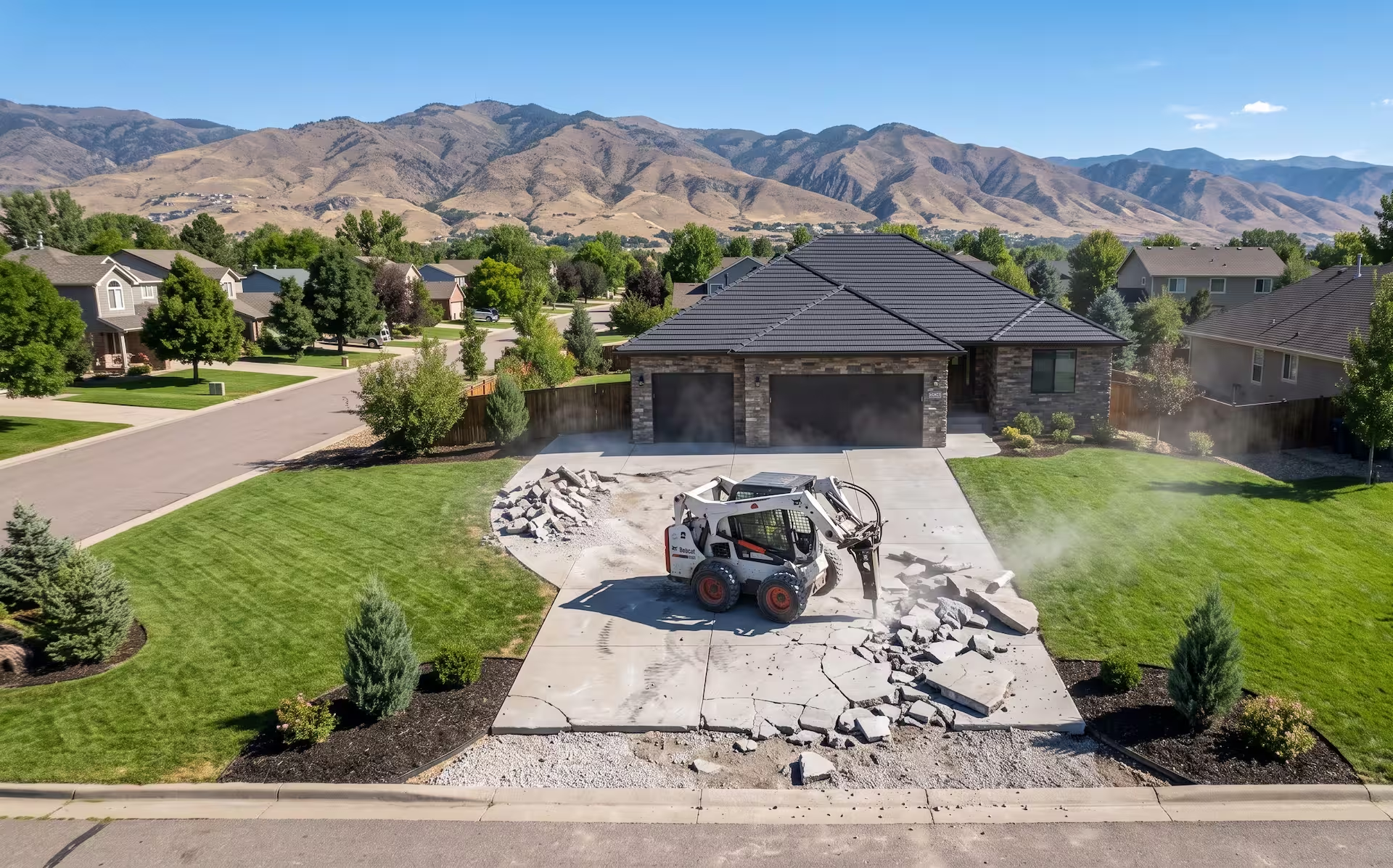
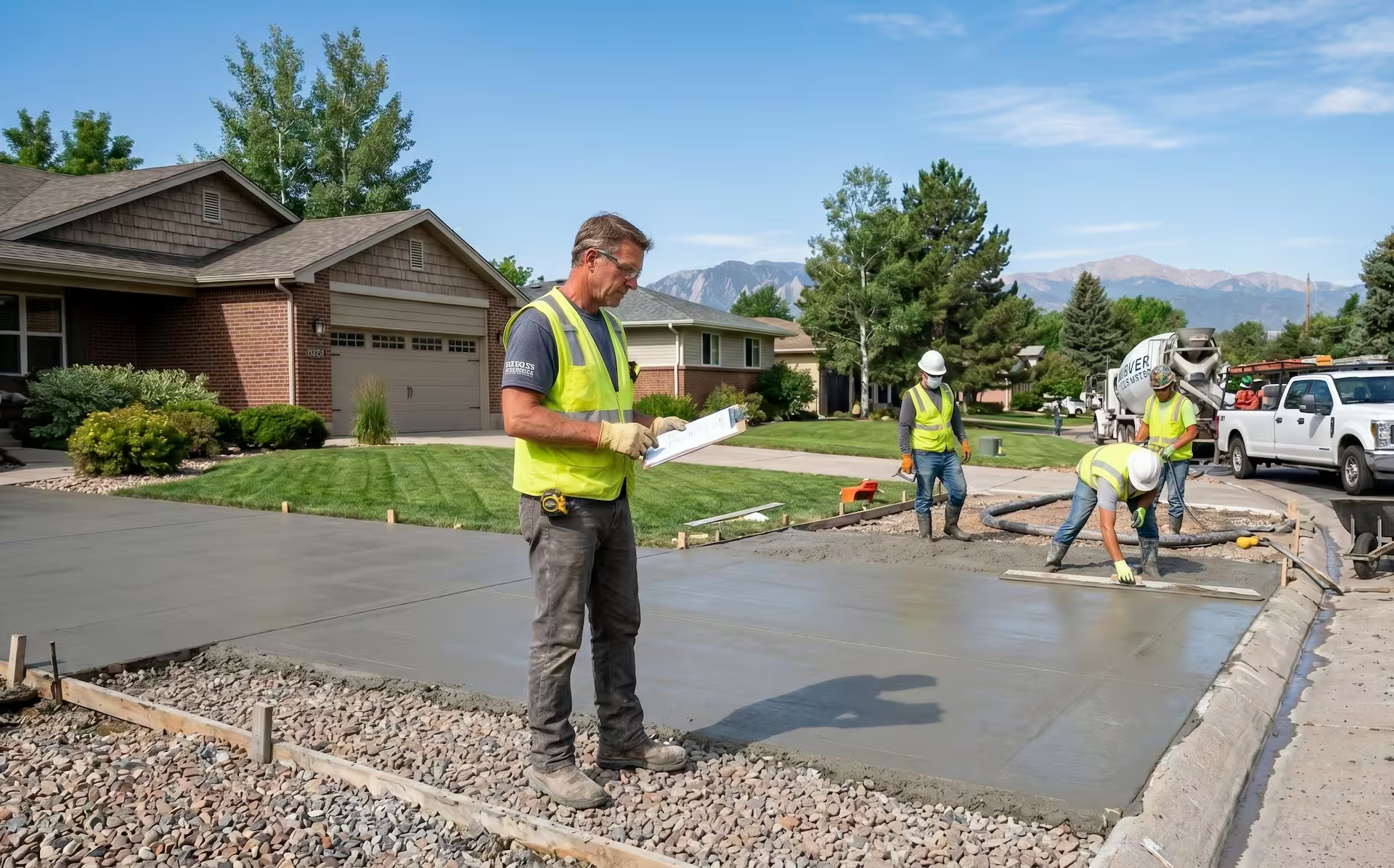
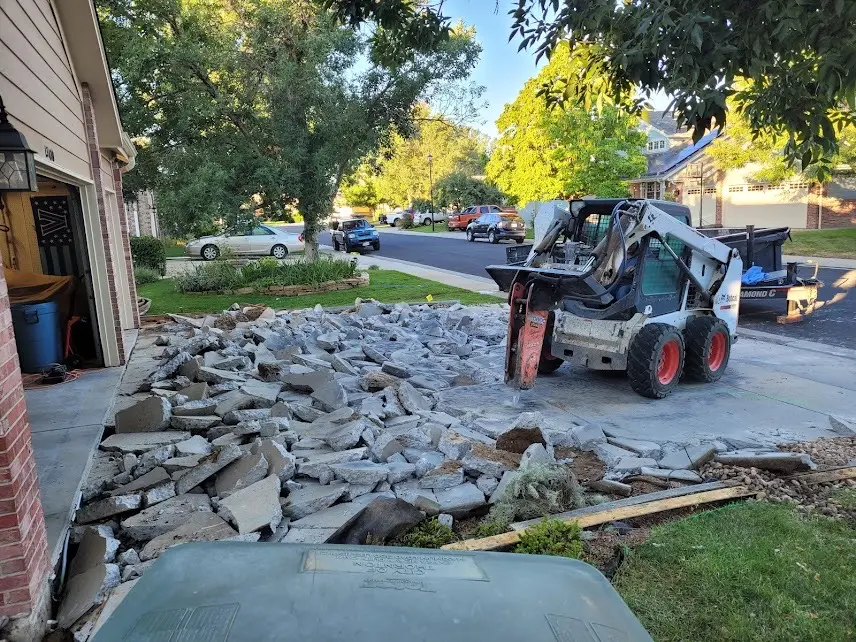
Denver’s expansive clay soil is notorious for shifting. If your contractor doesn’t include proper excavation and a compacted gravel base, your concrete will crack sooner than expected. Steep slopes, old concrete removal, or heavy brush clearing will also increase labor hours and disposal fees.
For Denver driveways and load-bearing slabs, we strictly recommend rebar. While wire mesh is a cheaper alternative, rebar provides the structural integrity needed to handle heavy SUVs and the pressure of Colorado’s intense freeze-thaw cycles. Investing in steel reinforcement now prevents costly replacements later.
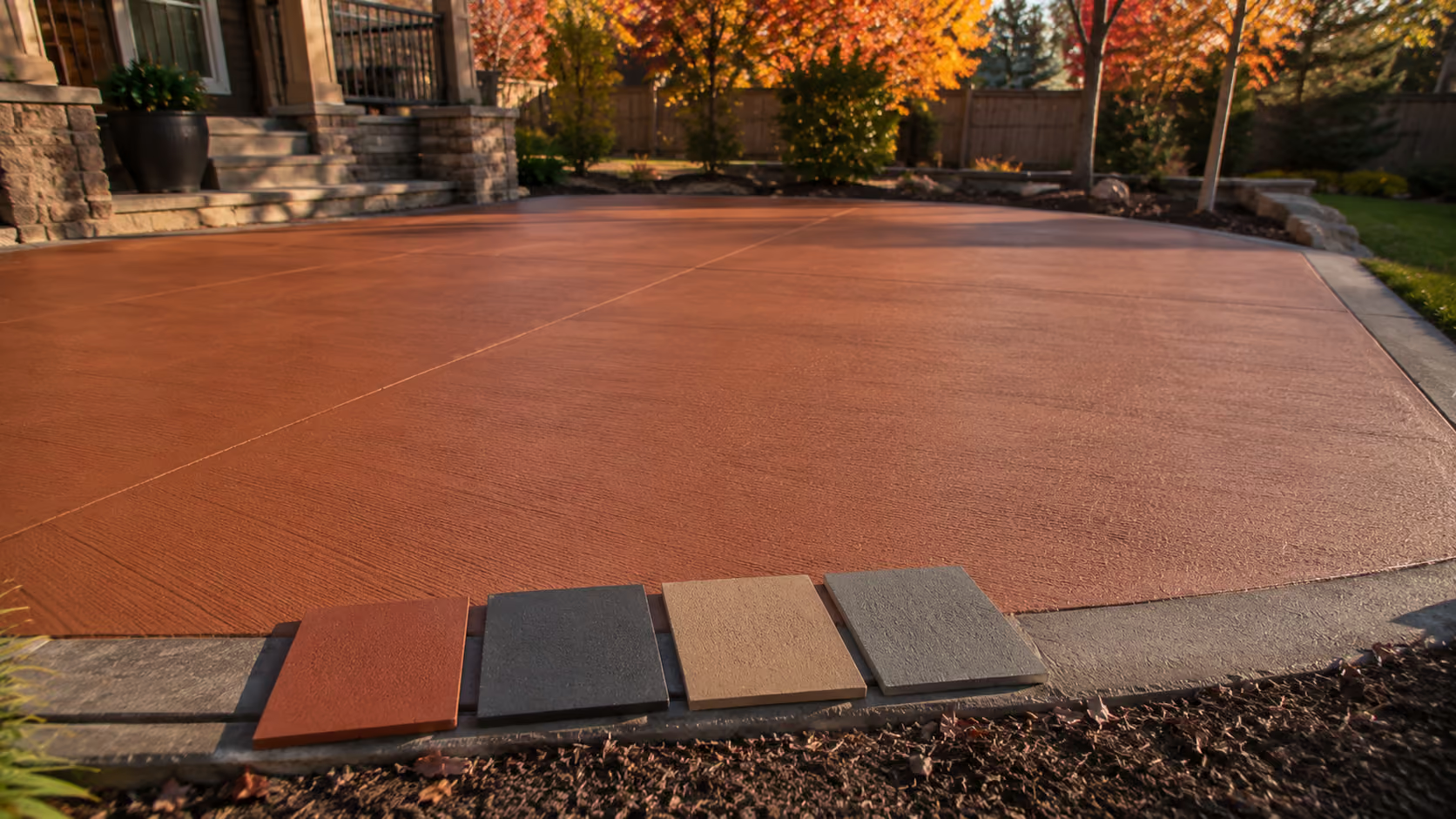
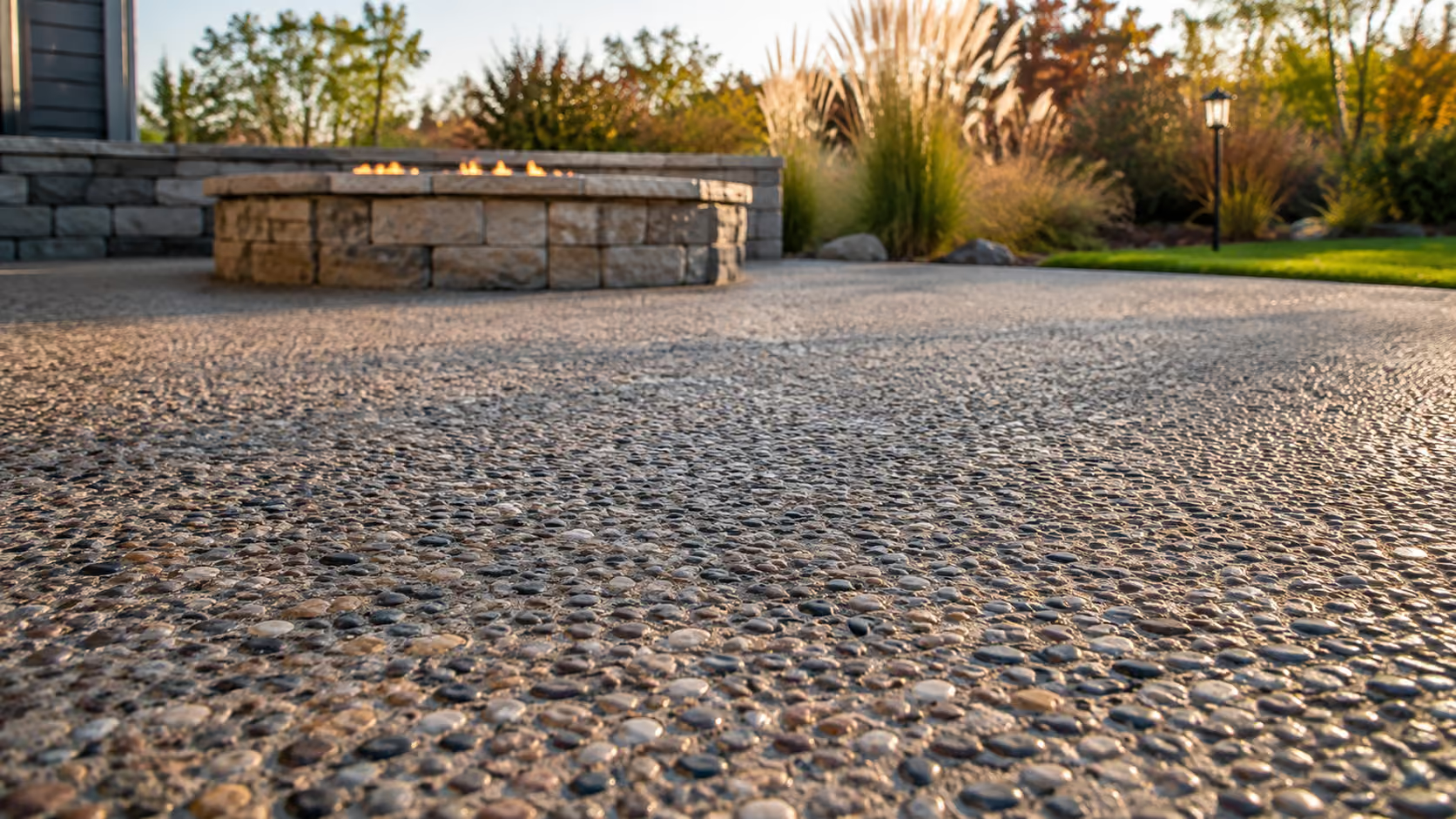
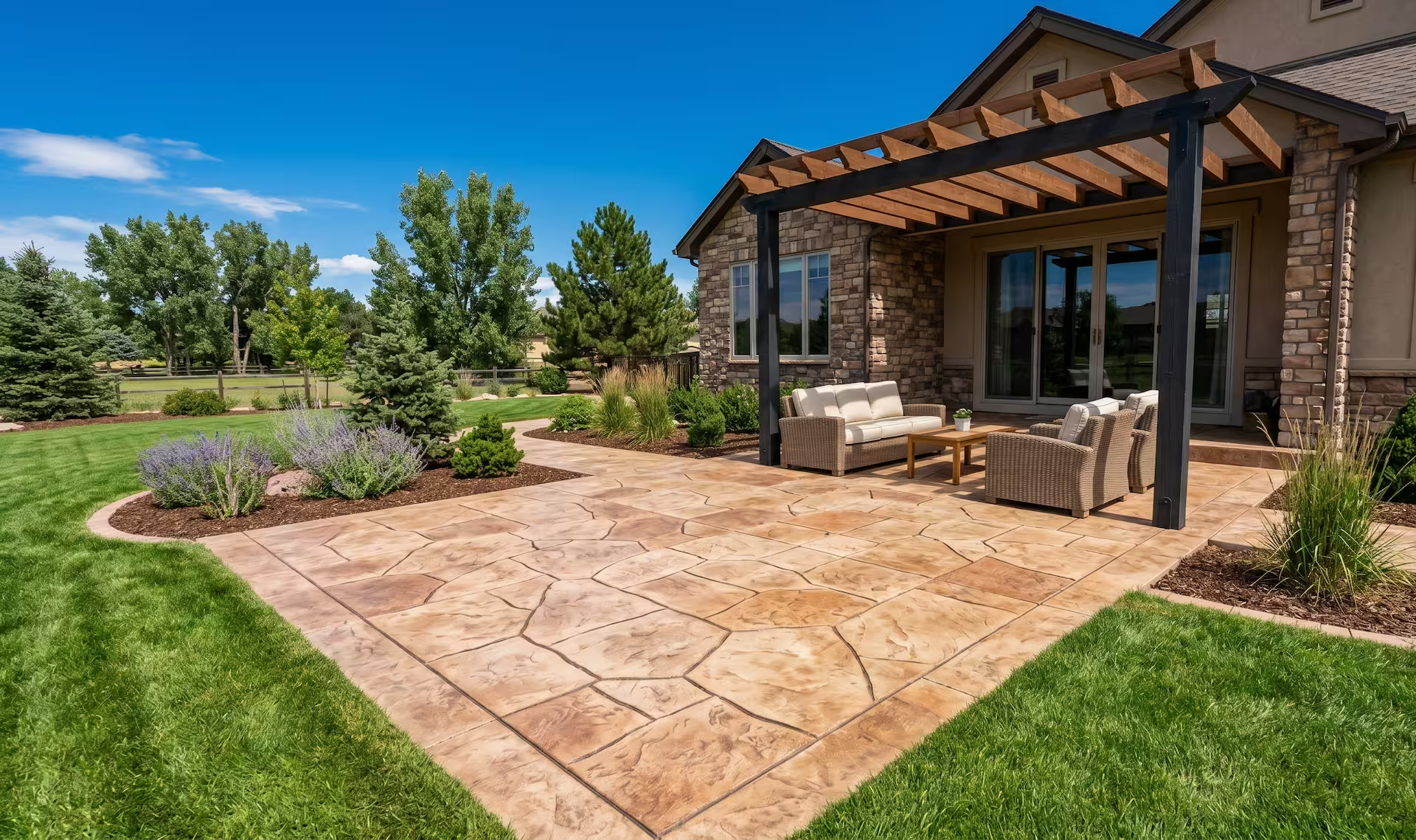
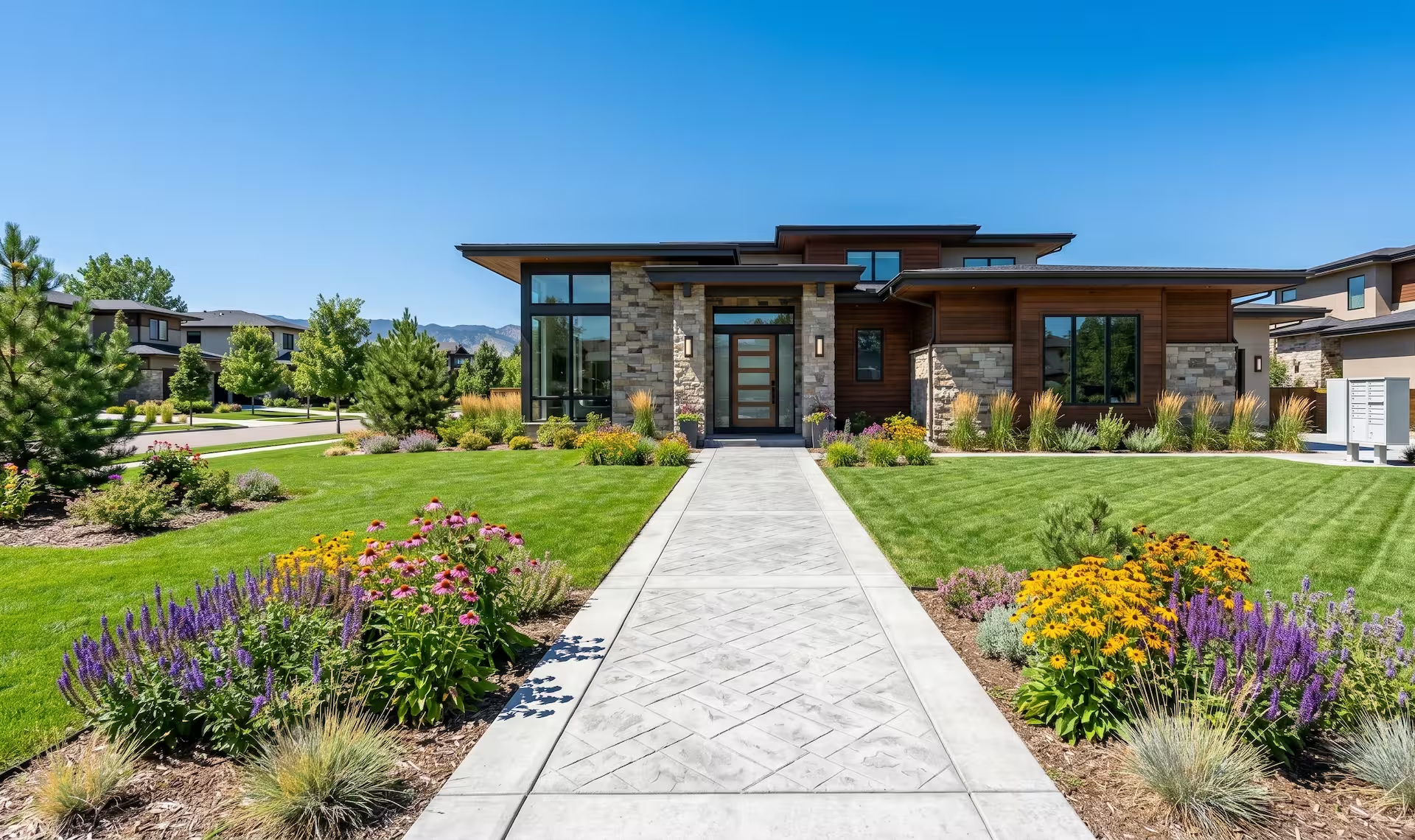
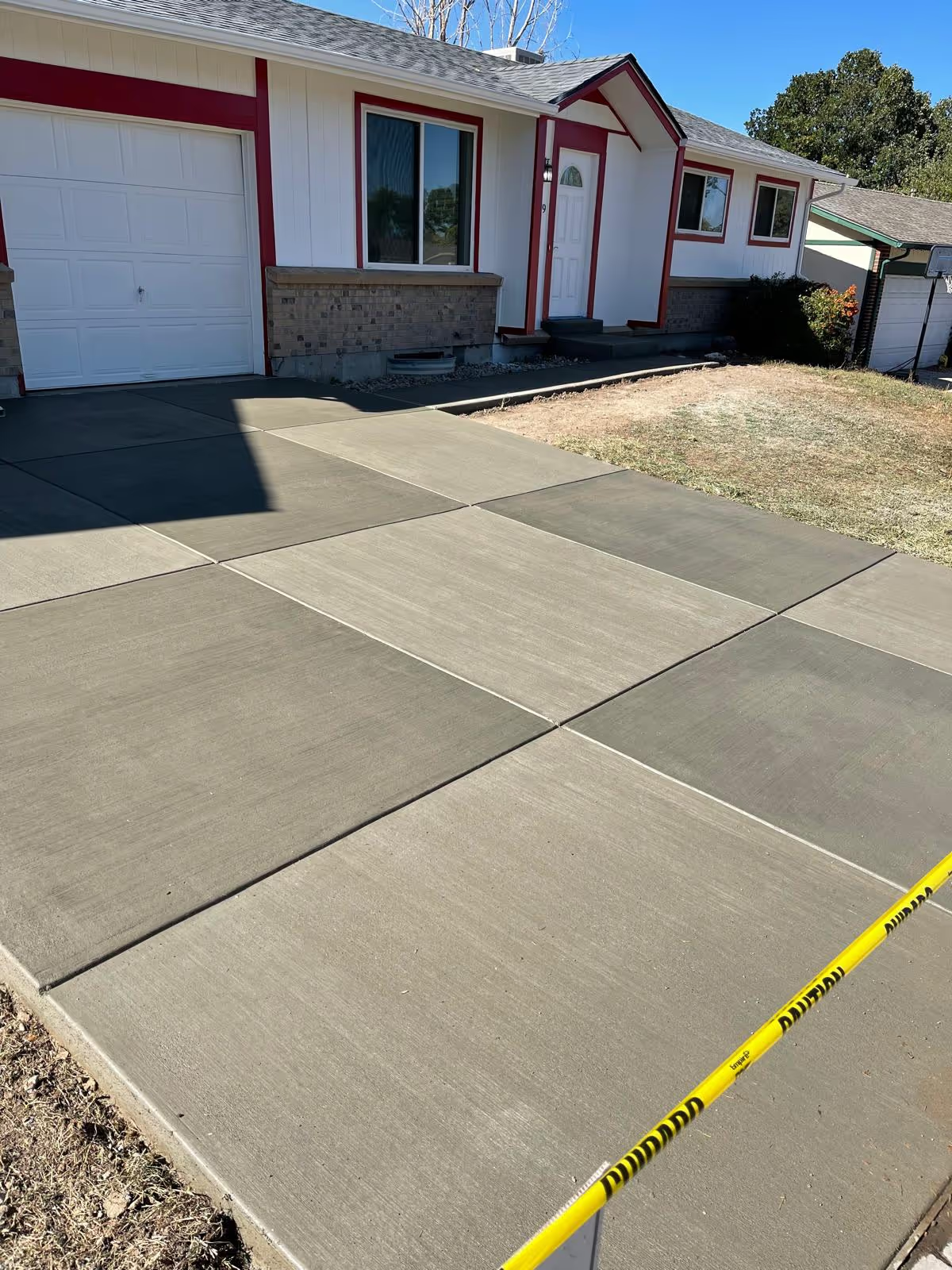
The finish you choose significantly impacts the labor cost. A standard broom finish is the most affordable and slip-resistant option, ideal for public sidewalks and basic driveways. On the other hand, stamped concrete requires a labor-intensive process of adding integral color, release agents, and hand-stamping patterns to mimic stone, slate, or brick.
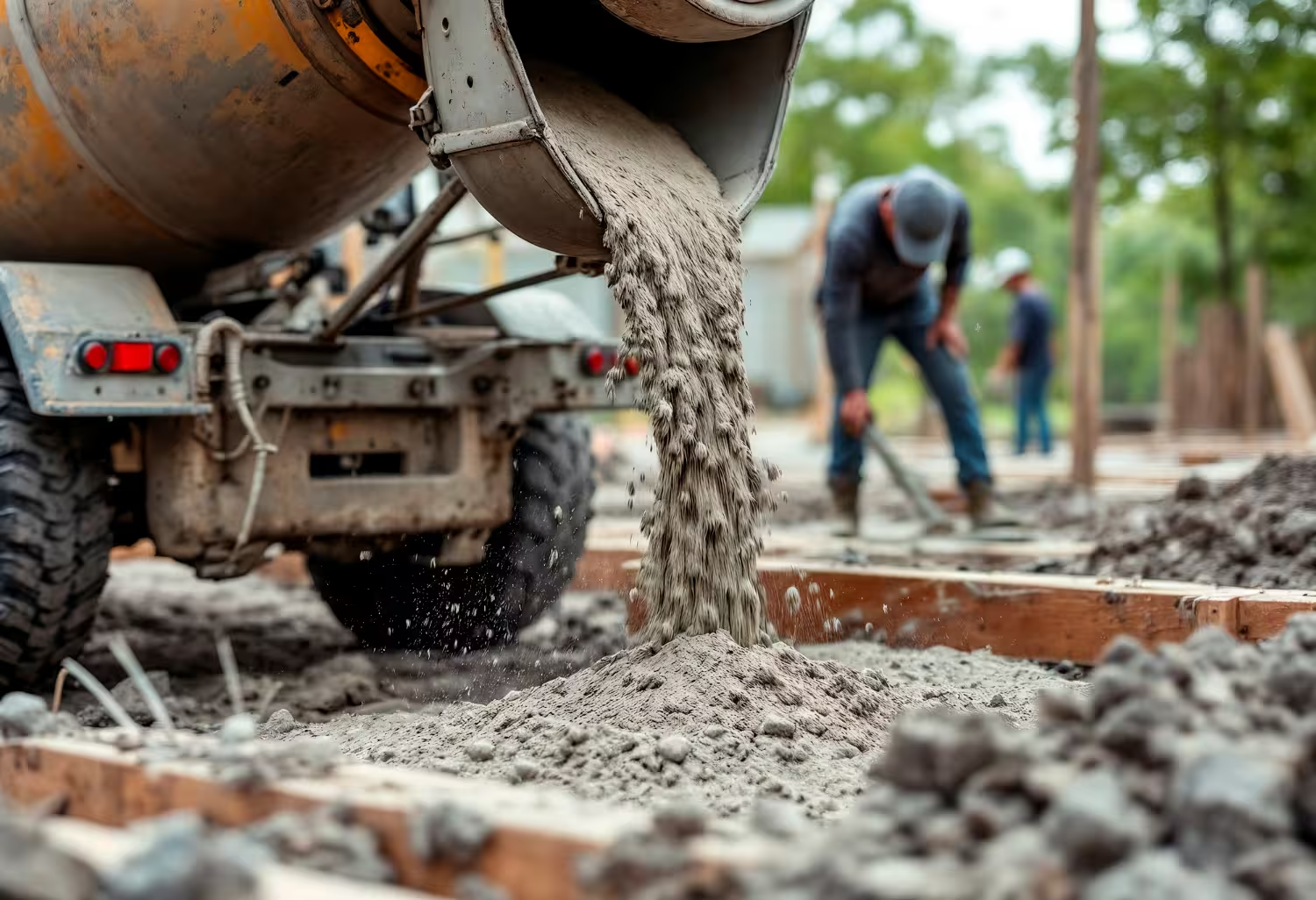
Installing concrete in the Mile High City isn't the same as in other states. To make your investment last over 30 years, your project must account for the local environment. First, we use specific concrete mixes with air-entrainment. This creates microscopic air bubbles that allow the material to expand and contract during extreme temperature swings without shattering the slab.
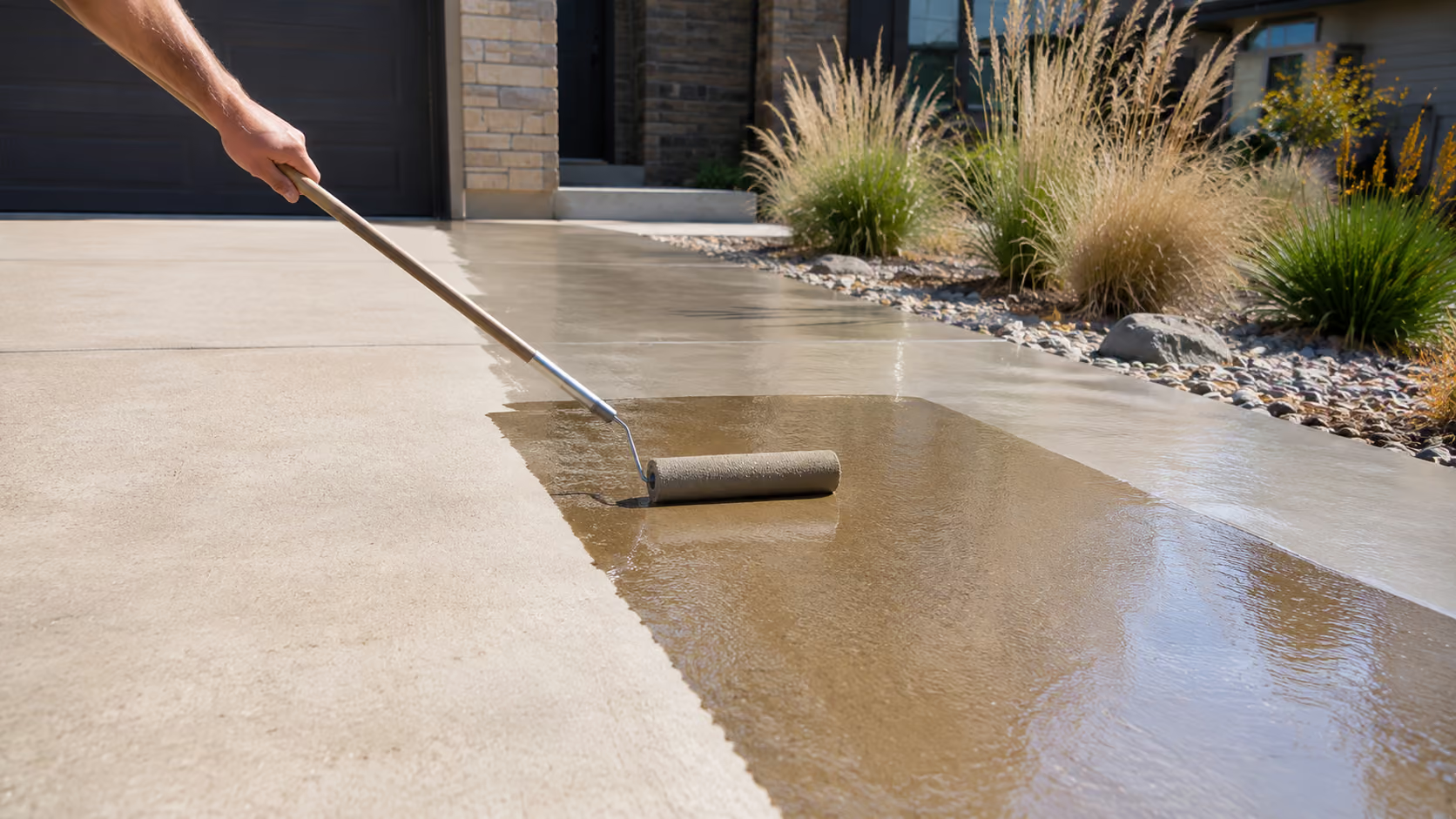
Second, Denver’s dry air and wind can suck moisture out of new concrete too fast; we use professional-grade curing compounds to ensure the slab reaches its full strength. Finally, local regulations matter. Most local suburbs in the North Denver Metro area, including Brighton, Thornton, Erie, Westminster, and Arvada, require specific permits for driveway aprons or work near the right-of-way. A professional contractor ensures your project is code-compliant from day one.
Don't just hire the lowest bid. Check for local references and ask to see projects they completed at least three years ago to see how they’ve aged in our climate. Ensure your quote is detailed and includes base preparation, rebar spacing, concrete PSI strength, and a clear plan for site cleanup. Transparency in the estimate is the first sign of a quality contractor.
At CC Concrete LLC, we simplify this process by offering free estimates on all projects and a 10% discount for Seniors and Military members to support our local community.
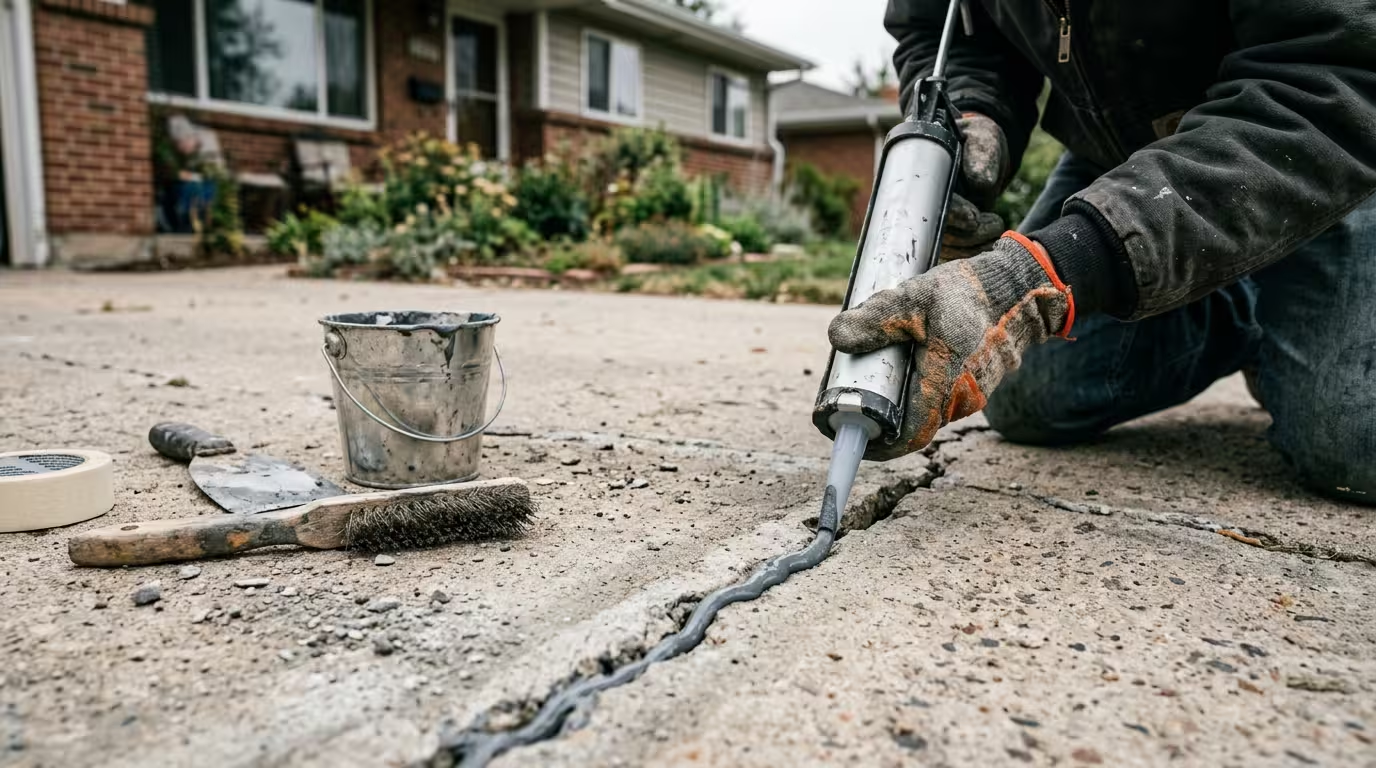
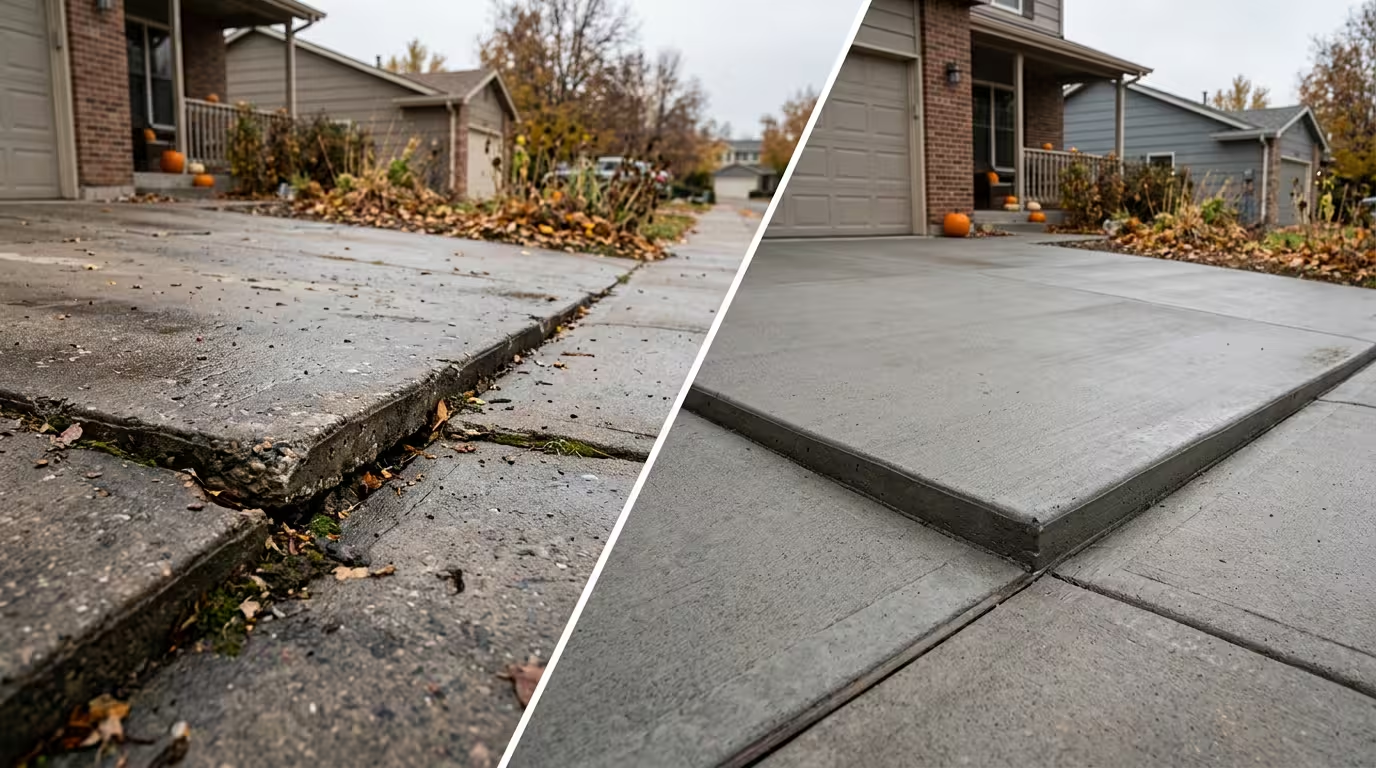
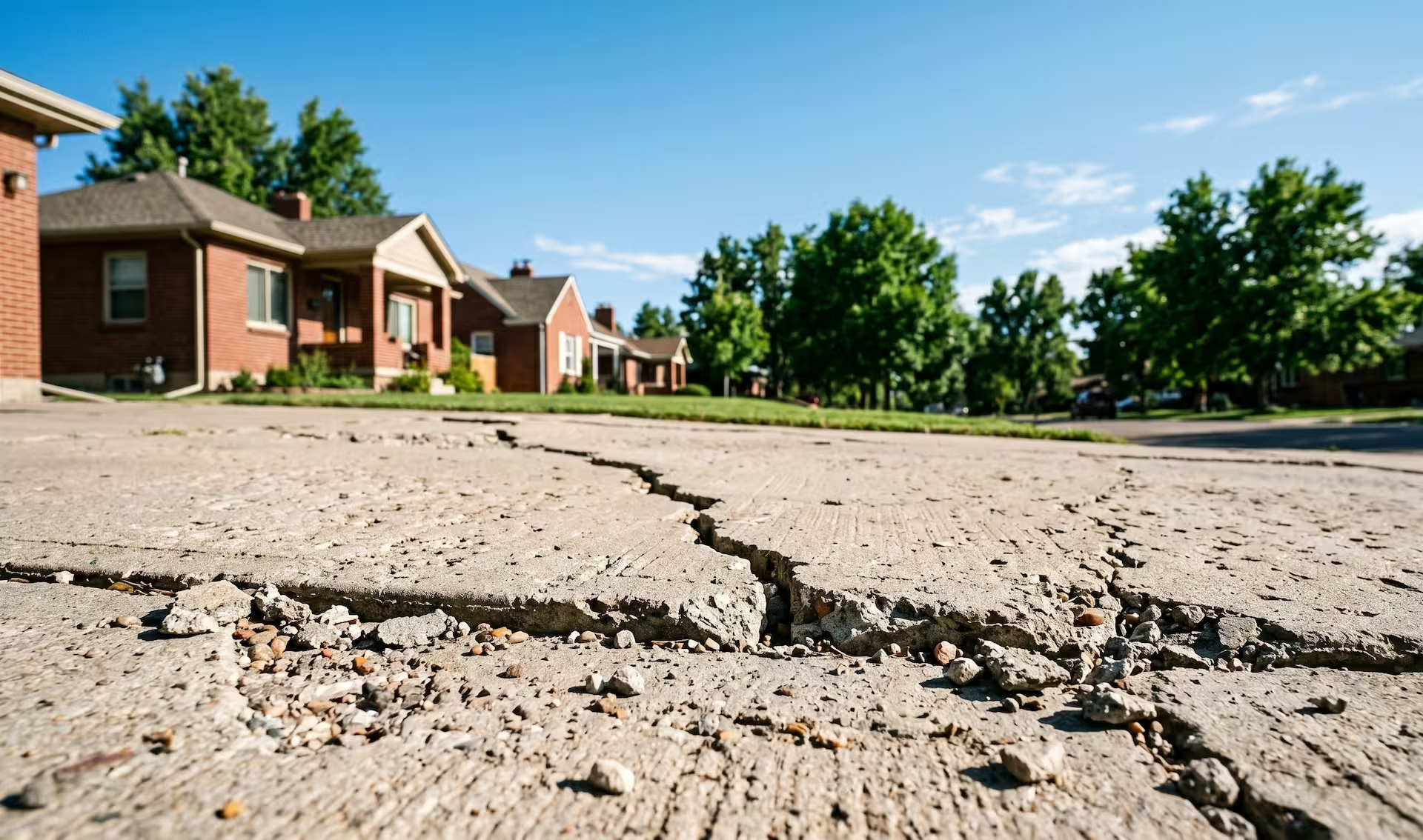
If the damage is structural—such as deep, wide cracks or sections that have sunk more than an inch—replacement is the only long-term solution. For minor surface scaling or thin hairline cracks, professional resurfacing might be a viable, lower-cost option.
Late Spring and early Fall are the ideal seasons. While it is possible to pour in winter, it requires specialized thermal blankets, chemical accelerants, and heaters to maintain the temperature above freezing, which can increase the overall project cost.
While you can usually walk on the surface after 24 hours, you must wait between 7 to 10 days before driving a standard vehicle on it. Heavy trucks or RVs may require up to 28 days for the concrete to reach maximum load-bearing capacity.
Every property is unique, and the best way to get an accurate price is with a free on-site evaluation. CC Concrete LLC provides transparent, line-item estimates specializing in North Denver communities like Broomfield, Henderson, and Northglenn.
Contact us today to schedule your free consultation and ensure your next concrete project is built to last in Colorado's challenging climate.




.avif)

.avif)



.avif)