
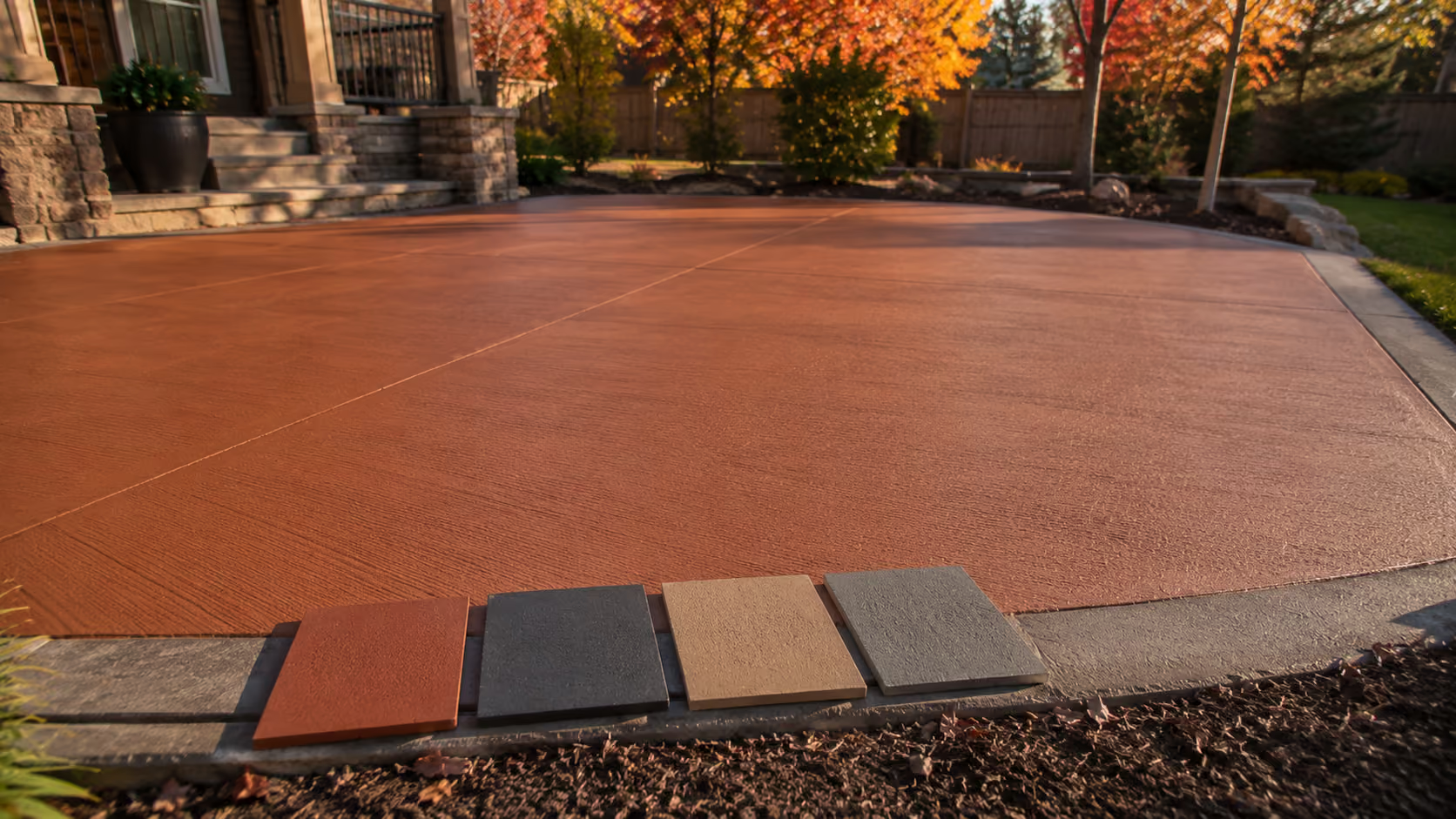
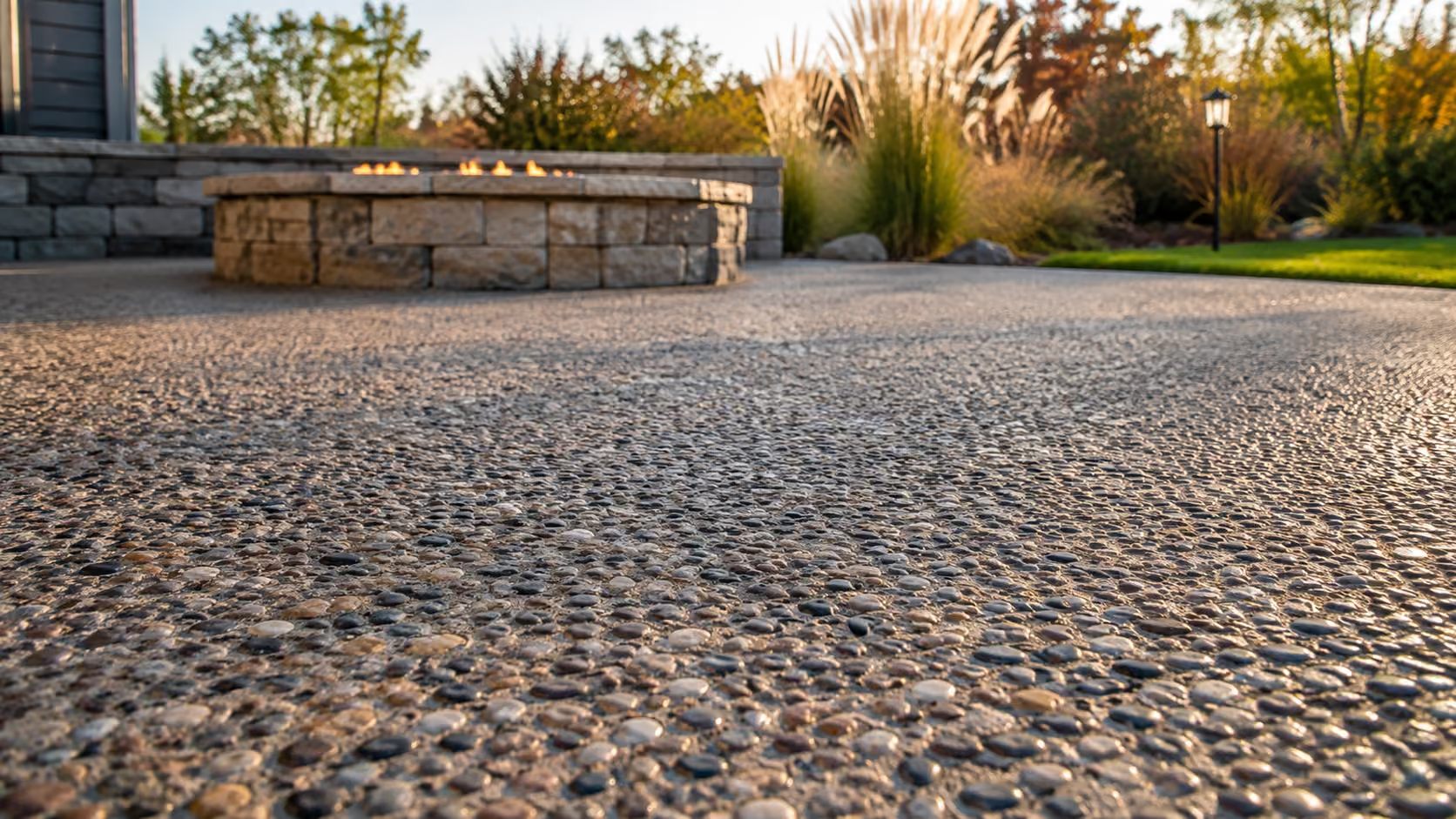
Colored concrete turns a plain gray slab into a design feature that complements your home's exterior, landscaping, and overall style. From warm terracotta patios to charcoal driveways, color options have expanded significantly in recent years, giving Denver homeowners far more flexibility than the standard gray finish. After completing colored concrete projects across the Denver metro, CC Concrete LLC breaks down real 2026 pricing and what to expect from each method.
This guide covers the main coloring methods, realistic pricing, and how each option holds up against Colorado's climate.
Curious which color option fits your project? Request a free on-site estimate from CC Concrete LLC →
2026 colored concrete cost in Denver: real pricing ranges
Based on projects we completed across the Denver metro in 2025 and 2026, here's what colored concrete typically adds to a standard project:
These figures reflect Denver metro conditions as of 2026 and apply on top of standard concrete installation pricing. For a broader look at overall project costs, see our 2026 Denver concrete cost guide.
Integral color vs. surface stains: what's the real difference?
Integral color
Pigment gets mixed directly into the concrete before the pour, so the color runs through the entire slab rather than sitting on the surface. This means minor surface wear or light chipping won't reveal gray concrete underneath, and the color holds up exceptionally well against Colorado's intense UV exposure.
Acid and water-based stains
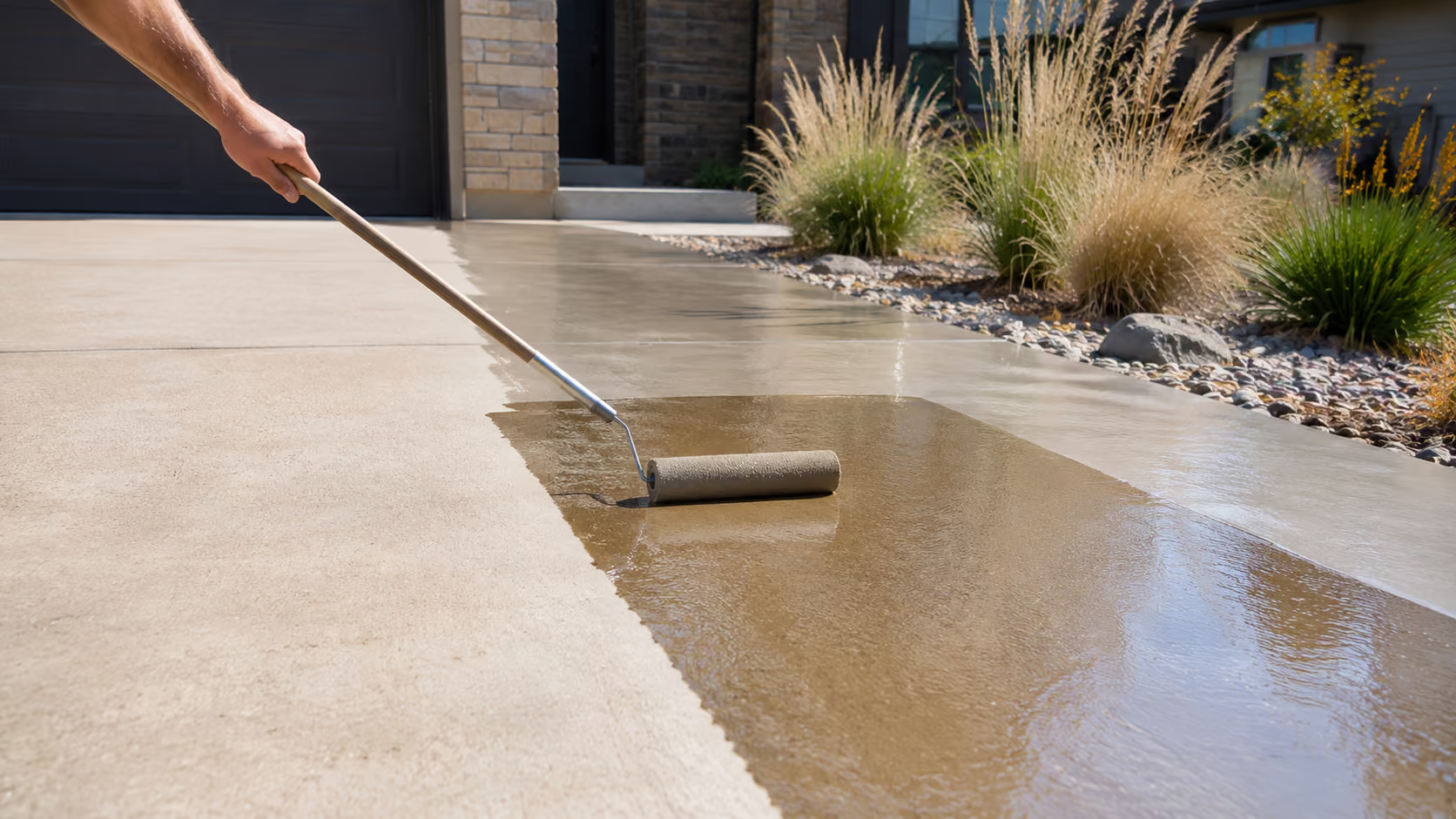
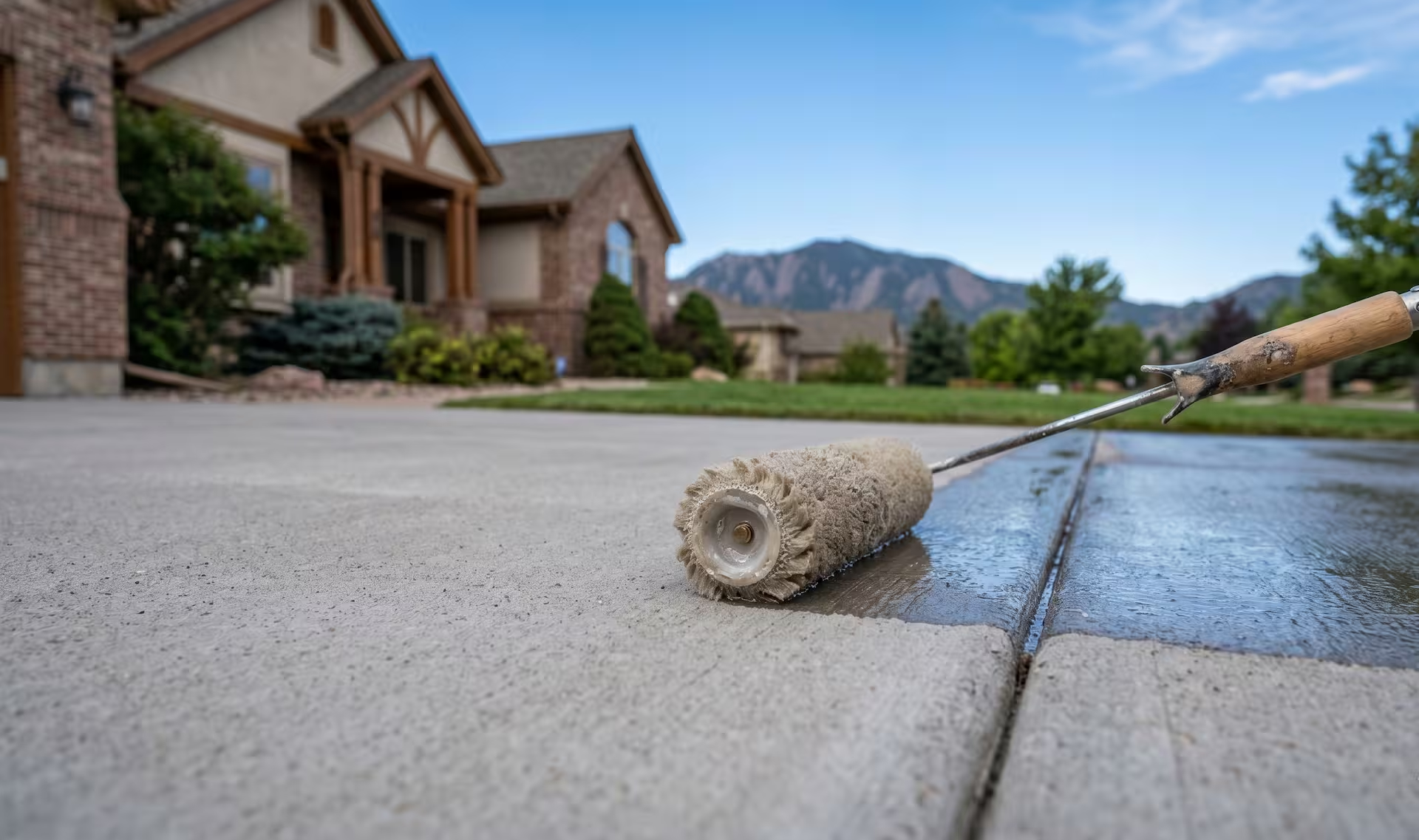
Stains are applied to the surface after the concrete cures, creating more variegated, artistic effects that integral color can't achieve. However, because the color only penetrates the surface layer, deep scratches or heavy wear can eventually expose the gray concrete beneath, and stains typically need resealing more frequently to maintain their vibrancy.
Popular colors for Denver homes
Certain color tones consistently work well with Denver's architecture and natural surroundings:
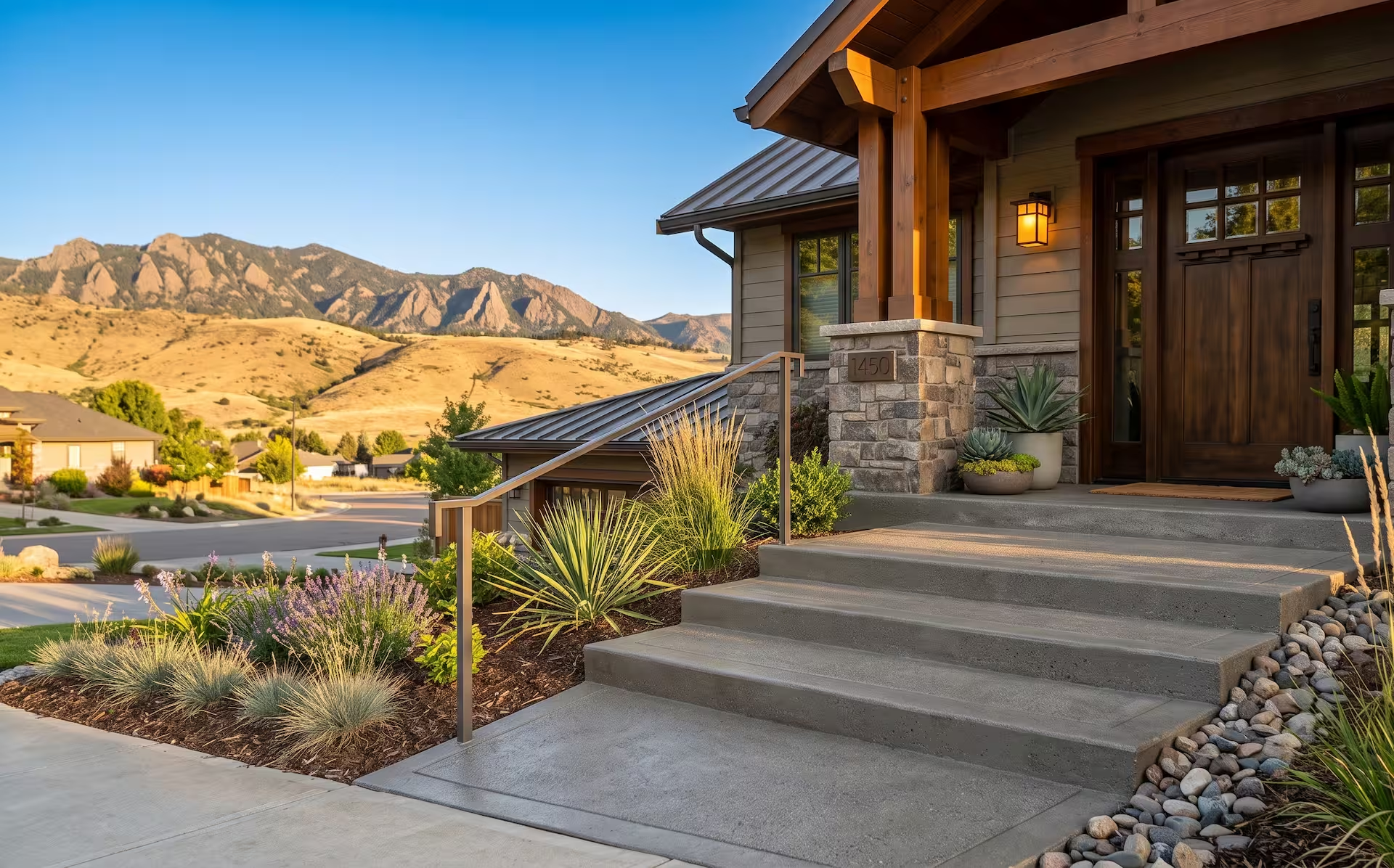
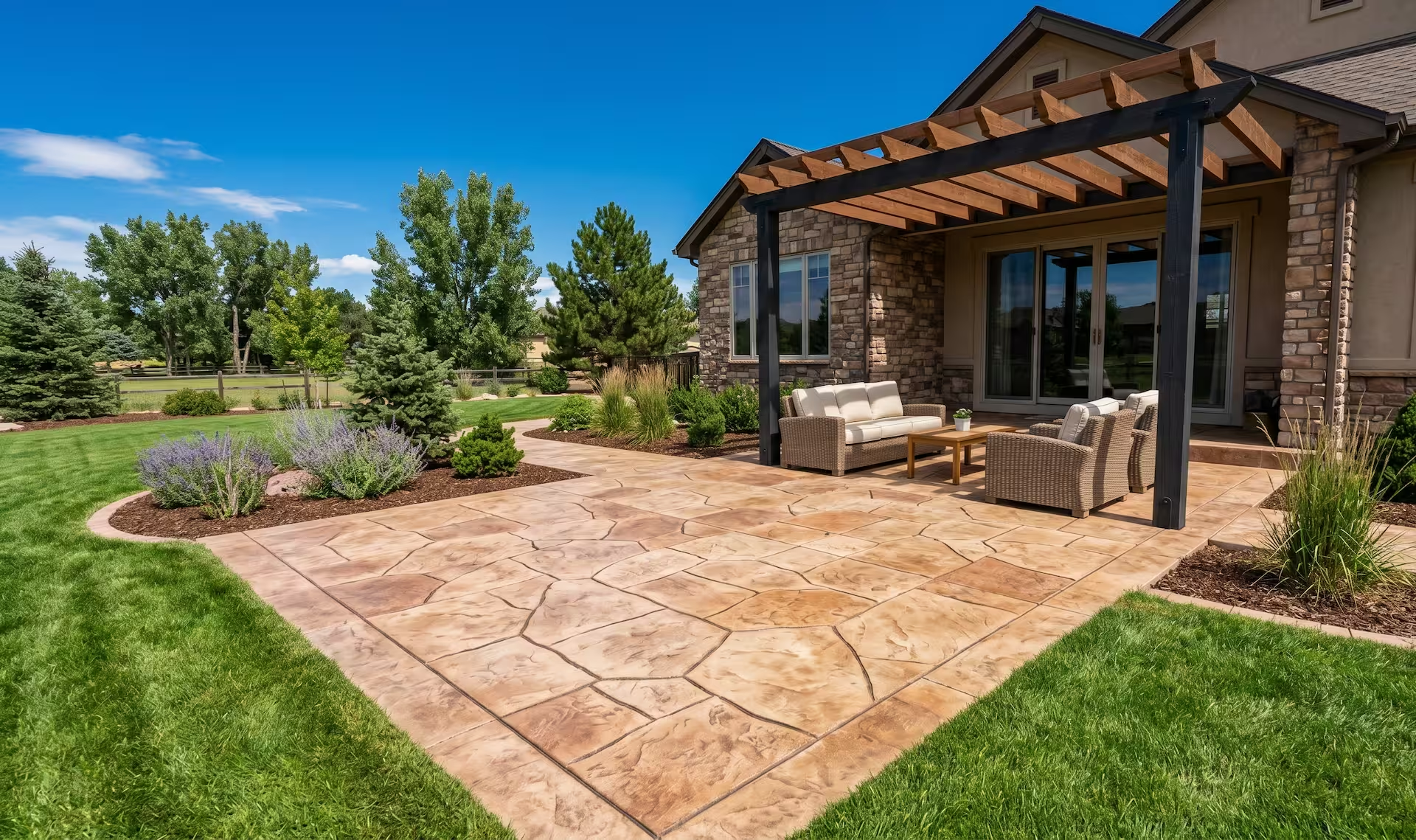
- Terracotta and adobe tones: Complement southwestern and craftsman-style homes while echoing the reddish tones found in Colorado's natural landscape.
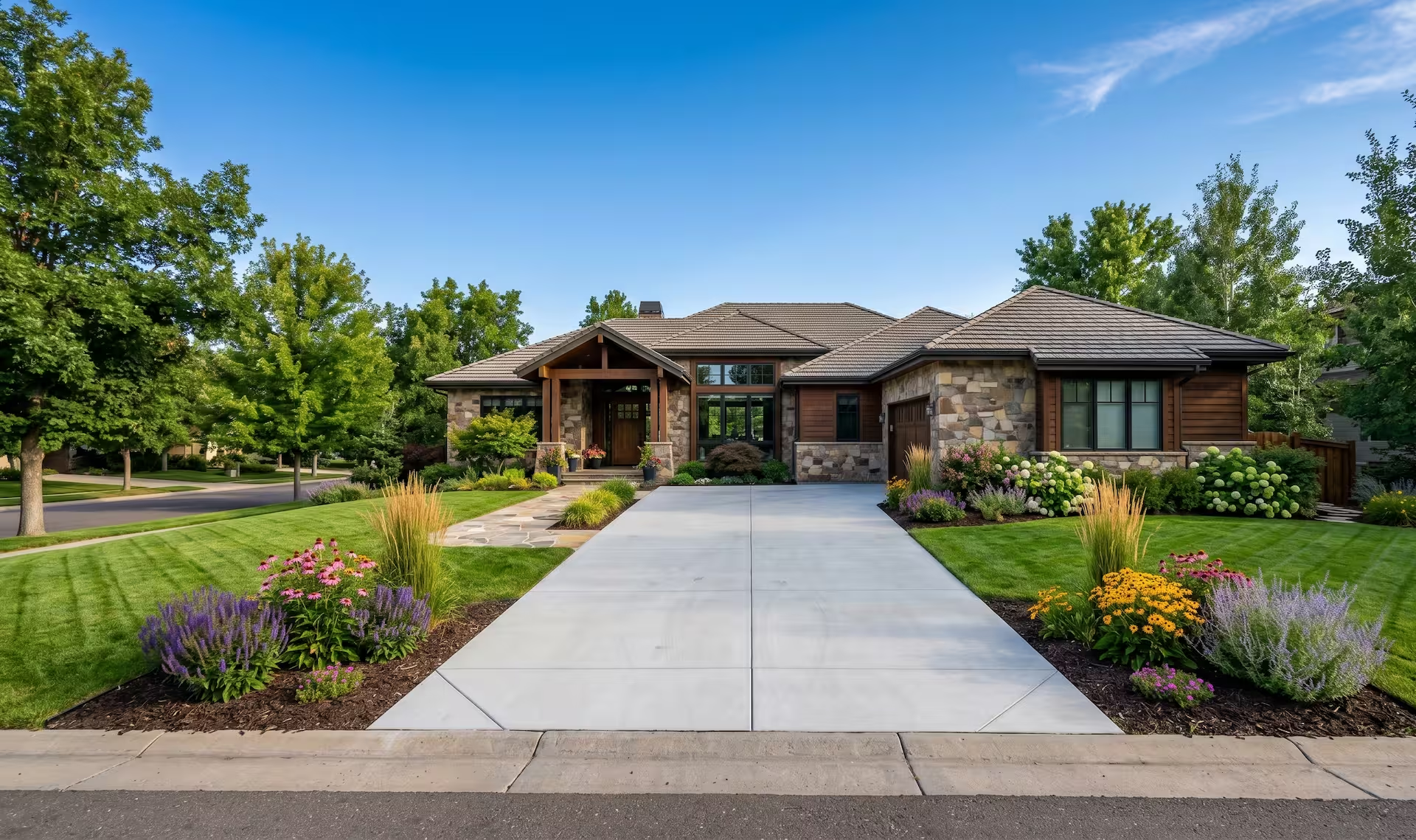
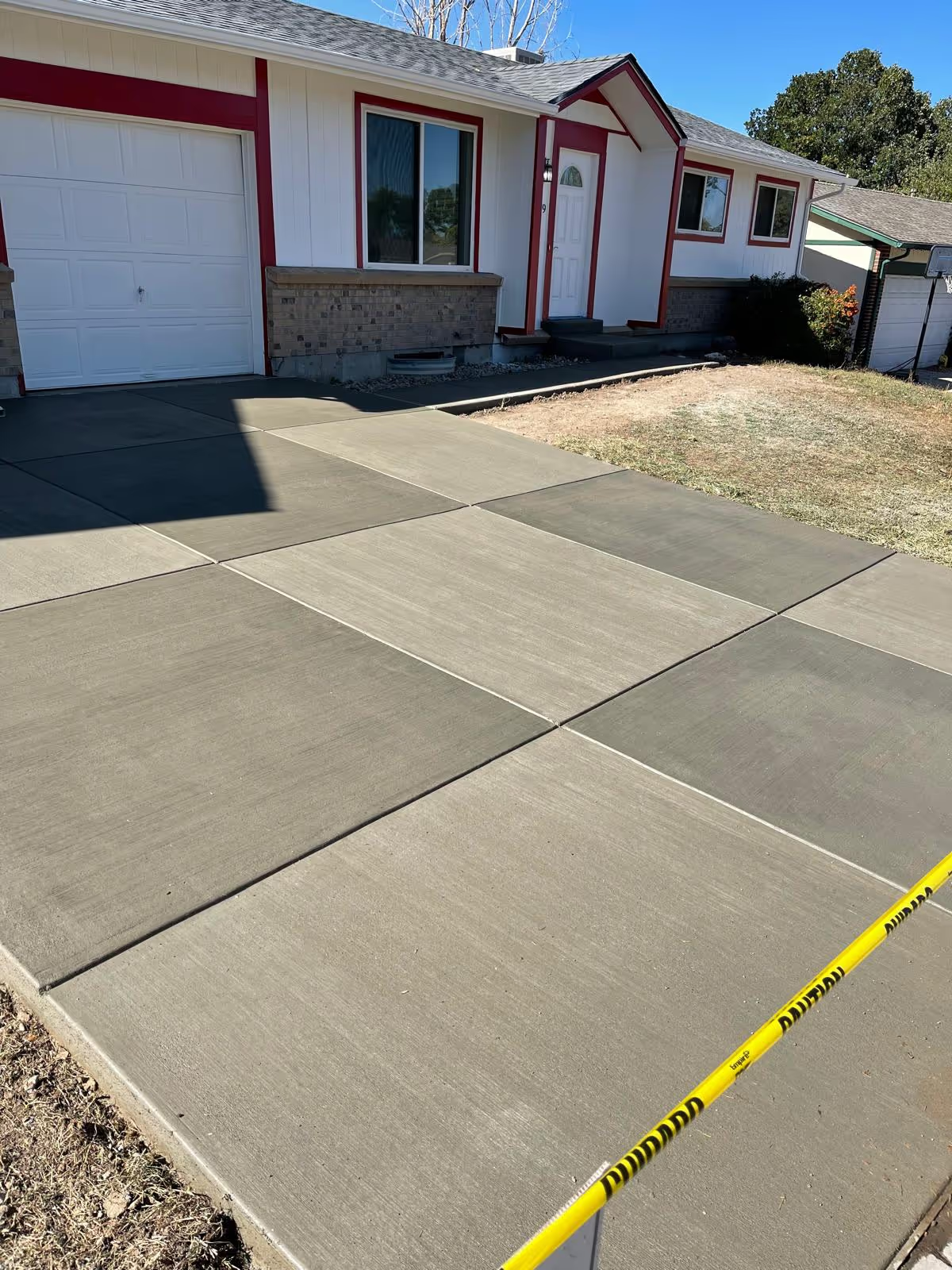
- Charcoal and slate gray: A popular choice for modern homes, offering a sophisticated look that also hides tire marks and minor staining better than lighter colors.
- Sandstone and tan: A versatile, neutral option that pairs well with almost any home exterior and softens the look of a large driveway or patio.
Why color choice matters more in Colorado's climate
Beyond aesthetics, color choice has practical implications specific to Denver's weather patterns.
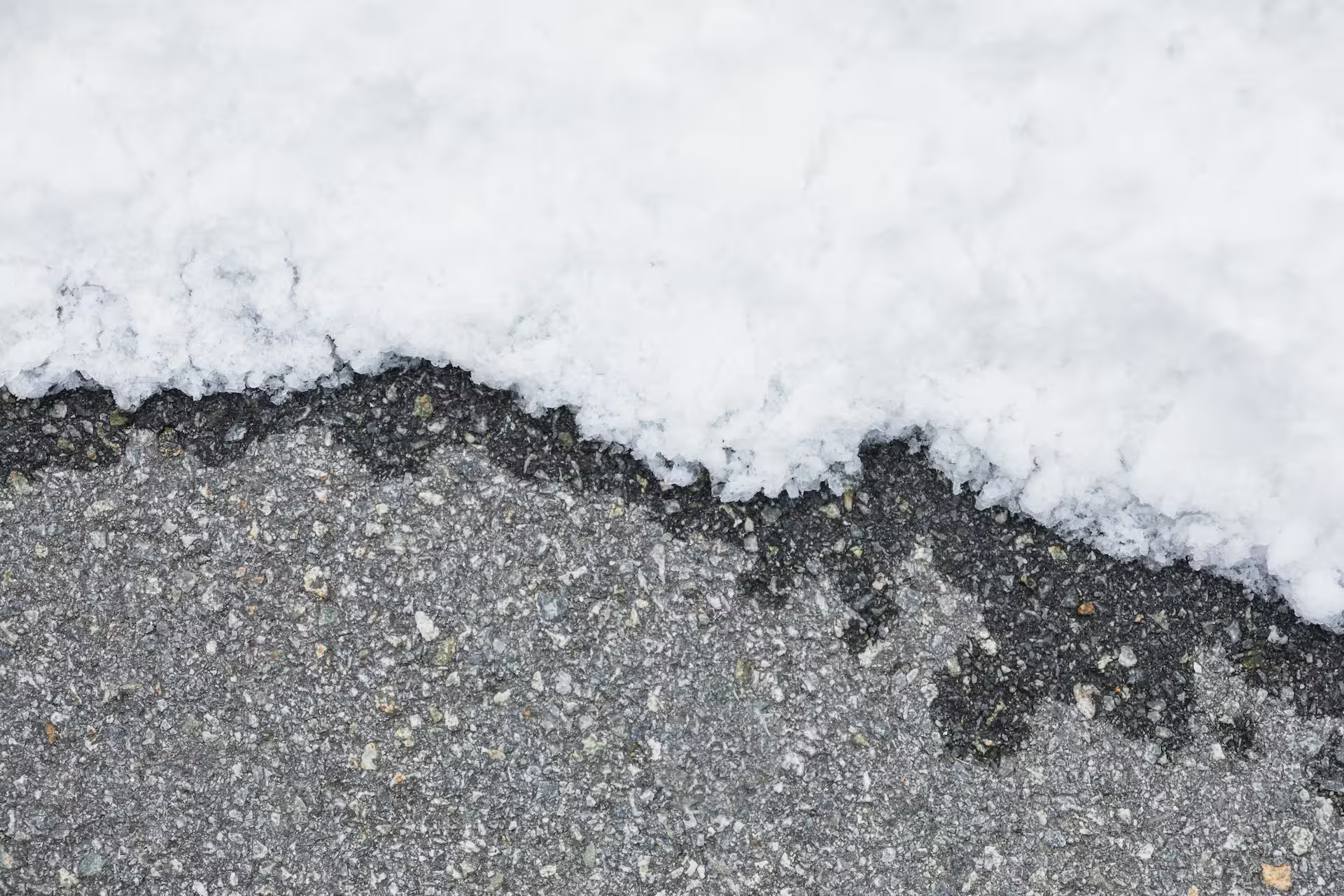
- Heat absorption: Darker colors absorb more heat, which can help melt light snow and ice faster in winter, but also makes surfaces hotter to walk on during summer.
- UV fade resistance: Colorado's high-altitude sun fades surface-applied stains faster than at lower elevations, making regular resealing more important for stained concrete than for integrally colored slabs.
- Salt and mineral staining visibility: Lighter colors show deicing salt residue and mineral staining more visibly than mid-tone or darker colors, which is worth considering for driveways.
Frequently asked questions about colored concrete in Denver
Does colored concrete cost much more than standard gray?
Integral color typically adds $1.50 to $3.00 per square foot, while stains add $2.50 to $6.00 per square foot. For most residential projects, this represents a modest increase in total cost for a meaningful visual upgrade.
Will the color fade over time?
Integral color resists fading well since it runs through the entire slab. Surface stains fade more noticeably over time, especially under Colorado's intense UV exposure, and benefit from resealing every 2 to 3 years to maintain vibrancy.
Can I combine color with a stamped pattern?
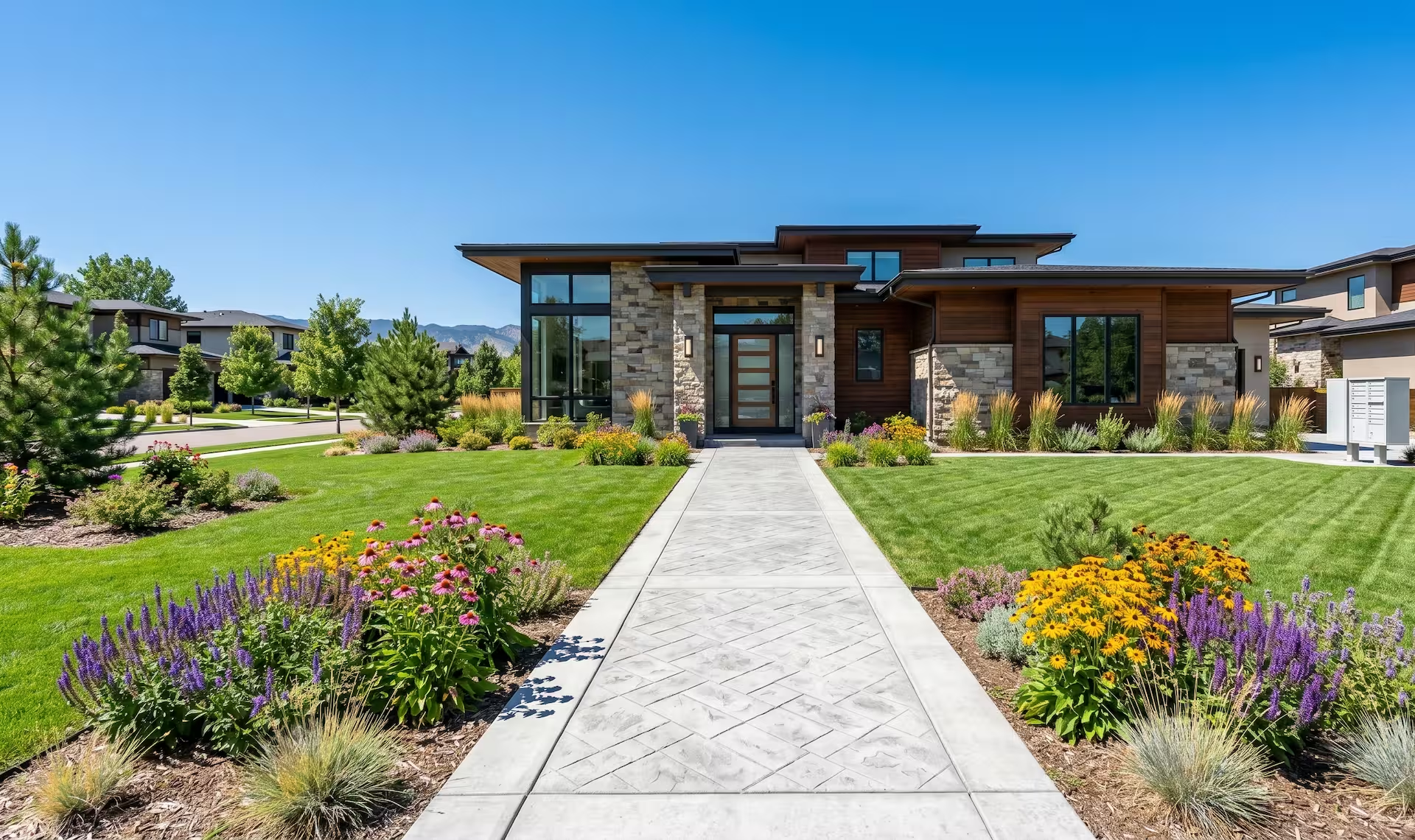
Yes. Color and stamped patterns are commonly combined, with color providing the base tone and release agents or accent stains adding depth and dimension to the stamped texture.
Do I need to reseal colored concrete more often than gray concrete?
Stained concrete generally benefits from resealing every 2 to 3 years to protect color vibrancy, similar to standard concrete. Integral color doesn't require more frequent sealing than gray concrete, though sealing still protects the surface from moisture and deicing salt either way.
Get a free colored concrete estimate in Denver
CC Concrete LLC has installed integral color, acid-stained, and water-based stained concrete across Denver, Thornton, Erie, Brighton, Broomfield, Westminster, Arvada, and surrounding communities for over 30 years. Every project includes a free on-site estimate and color samples to help you choose the right tone for your home. Seniors and military members receive a 10% discount on all projects.
- Licensed and insured — serving Denver metro since 1994
- 500+ residential and commercial concrete projects completed
- Integral color, acid stain, and water-based stain options available
- Physical color samples available for every project
- Most projects completed in 2 to 4 days
Color that lasts through Colorado's seasons
Colored concrete typically adds $1.50 to $6.00 per square foot in Denver, depending on whether you choose integral color or a surface stain. The right choice depends on the look you want and how much surface wear your project will face — integral color for long-term durability, or stains for a more artistic, variegated finish. CC Concrete LLC helps you weigh those trade-offs with real samples and honest guidance. Schedule your free on-site estimate today →



.avif)

.avif)

.avif)
.webp)