
.avif)
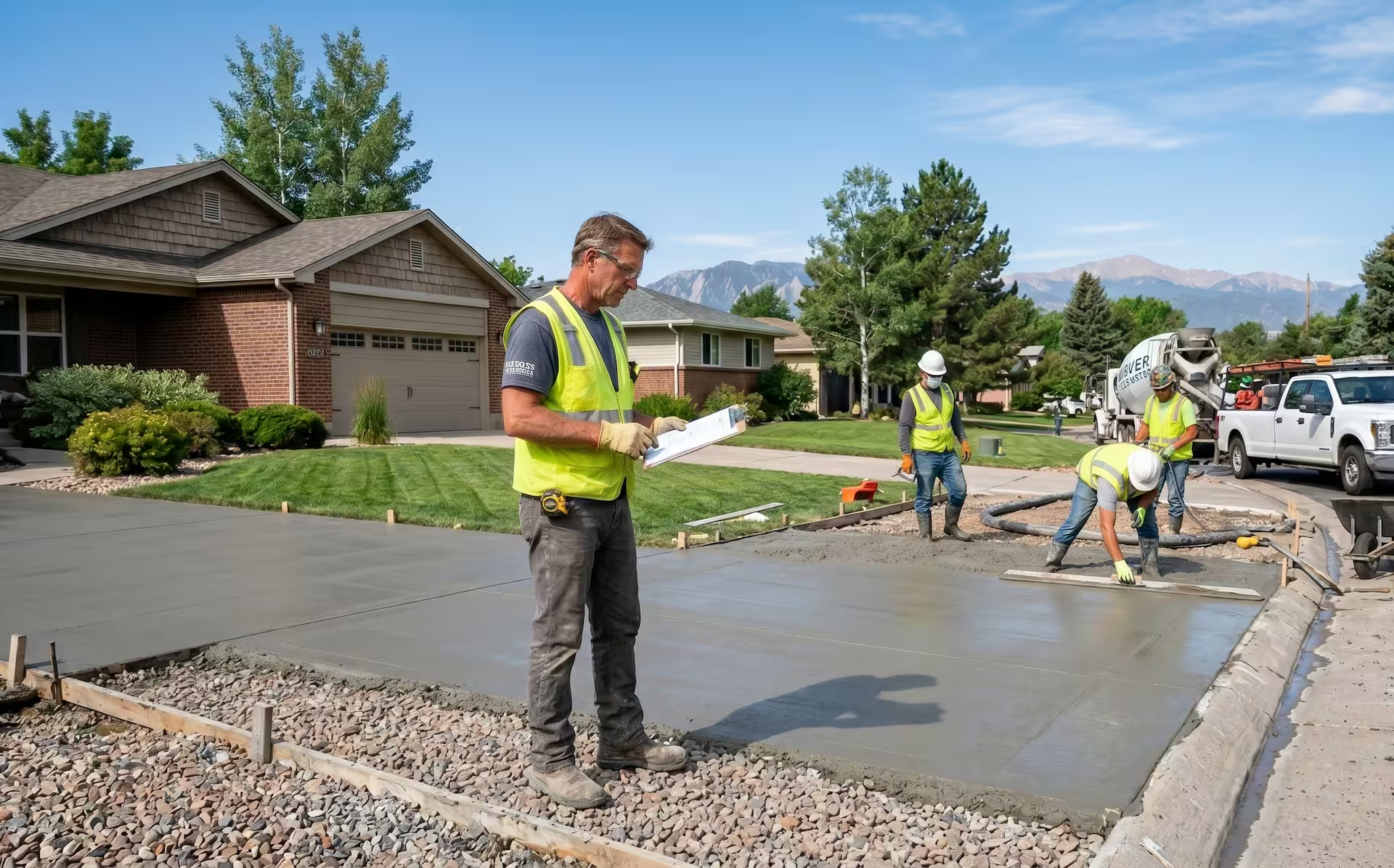
A concrete garage floor in Denver is one of the most practical and highest-value improvements a homeowner can make — and one of the most misunderstood. Many Denver homeowners assume a garage floor is a straightforward pour. In reality, Colorado's expansive clay soils, extreme temperature swings, and heavy vehicle loads make garage floor installation one of the most technically demanding concrete projects in residential construction. After 500+ projects across Denver, Thornton, Erie, Brighton, and Broomfield, CC Concrete LLC breaks down exactly what a proper installation requires — and what it costs in 2026.
Whether you're replacing a cracked existing slab or pouring for a new construction garage, this guide covers real pricing, finish options, and the specific steps that determine whether your floor lasts 30 years or cracks in five.
Ready to get a number for your garage floor project? Request a free on-site estimate from CC Concrete LLC →
2026 concrete garage floor cost in Denver
Based on projects we completed across the Denver metro in 2025 and 2026, here are realistic cost ranges for concrete garage floor installation — including excavation, sub-base preparation, rebar reinforcement, pour, finishing, and cleanup:
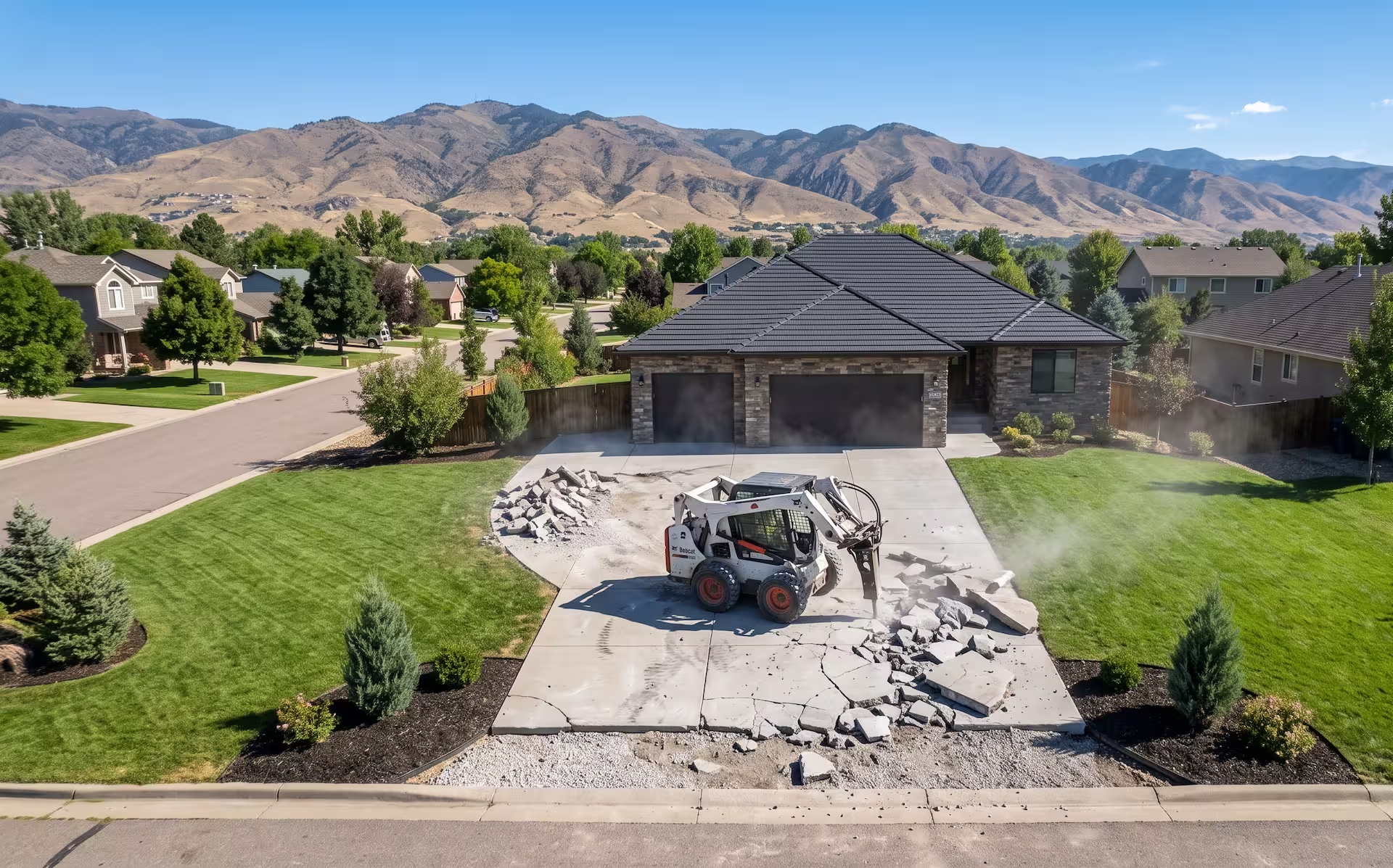
These figures reflect Denver metro conditions as of 2026 — including local labor rates, material costs, and the sub-base work Denver's clay soils require. Additionally, old slab demolition and haul-away adds $1.50 to $3 per square foot if you're replacing an existing floor.
For a broader look at concrete pricing across project types, see our 2026 Denver concrete cost guide.
What makes a concrete garage floor last in Denver
A garage floor in Denver faces conditions that most other U.S. cities don't — heavy vehicle loads, oil and chemical exposure, freeze-thaw pressure, and clay soil movement underneath. Here's what a properly installed garage floor requires to hold up for decades:
Proper excavation and sub-base
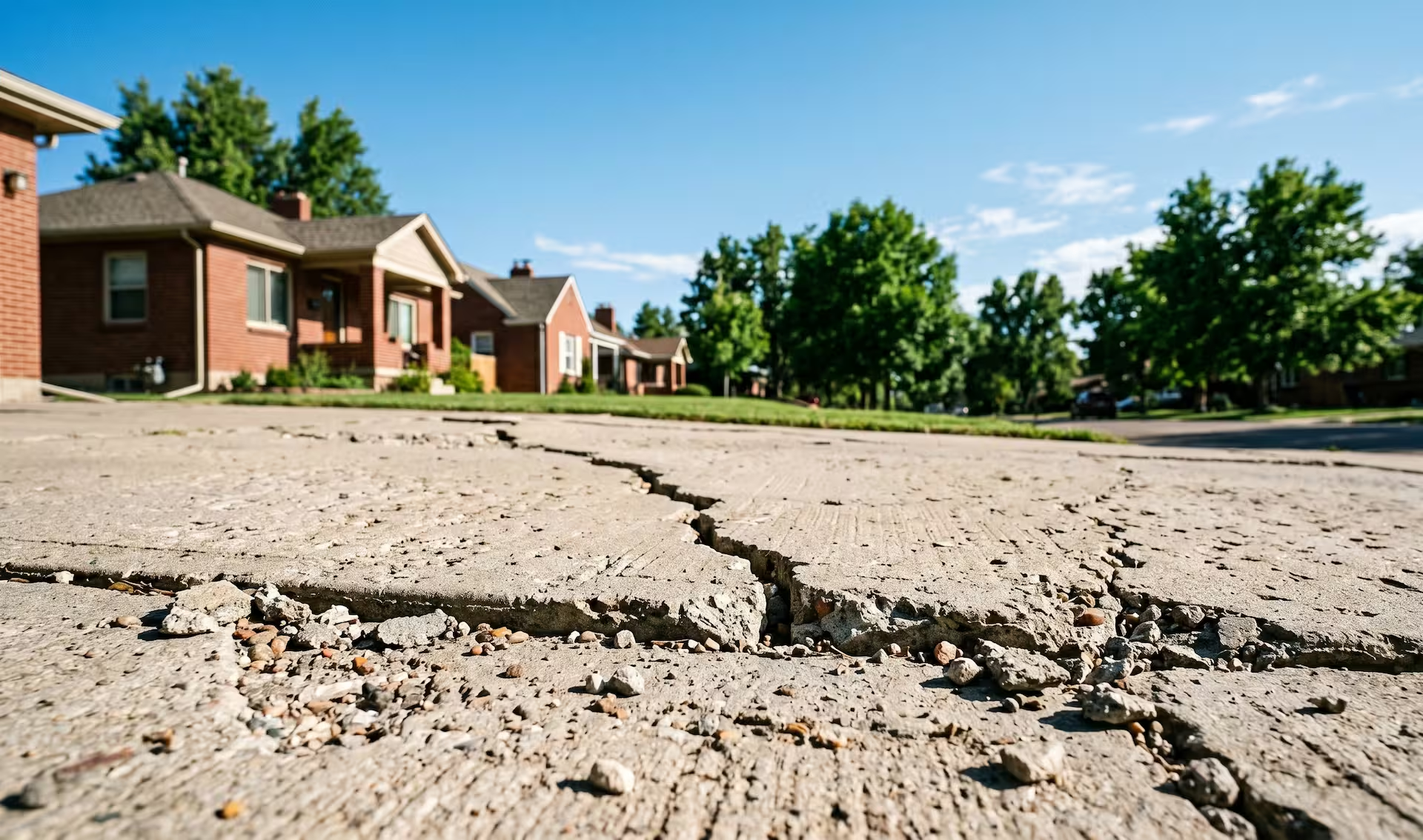
Denver's expansive clay soil is the single biggest threat to a garage floor's longevity. Clay expands when wet and contracts when dry — creating upward and downward pressure on the slab. Proper excavation to remove unstable clay, followed by 4 to 6 inches of compacted gravel base, gives the slab a stable, draining platform that resists movement. Skipping this step is the most common reason Denver garage floors crack within a few years.
Rebar reinforcement
For garage floors that support vehicle weight in Denver's soil conditions, we use rebar rather than wire mesh. Rebar provides the structural tensile strength needed to keep a slab together when the ground beneath it shifts. Wire mesh is cheaper — but it doesn't perform the same function under load and soil movement.
Concrete mix specification
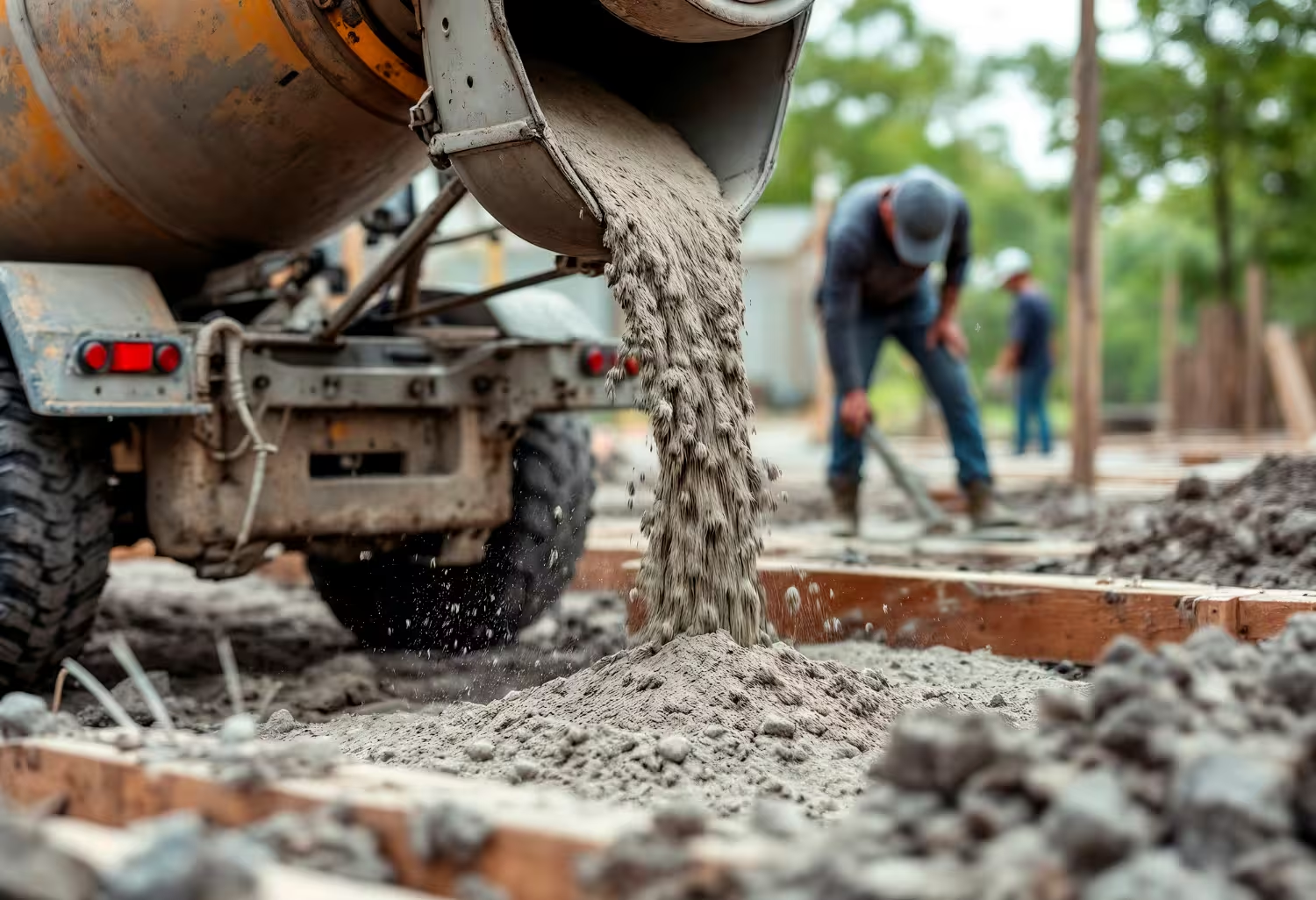
Garage floors in Denver require a minimum 3,500 to 4,000 PSI air-entrained concrete mix. Air entrainment creates microscopic bubbles that allow the slab to expand and contract through freeze-thaw cycles without cracking. A contractor using standard non-air-entrained mix for a Denver garage floor is setting the project up to fail.
Control joints
Control joints are intentional cuts placed in the slab to guide natural cracking to predetermined, less visible locations. Without proper control joint placement, random cracking across the visible surface is almost inevitable over time in Denver's climate.
Curing and sealing
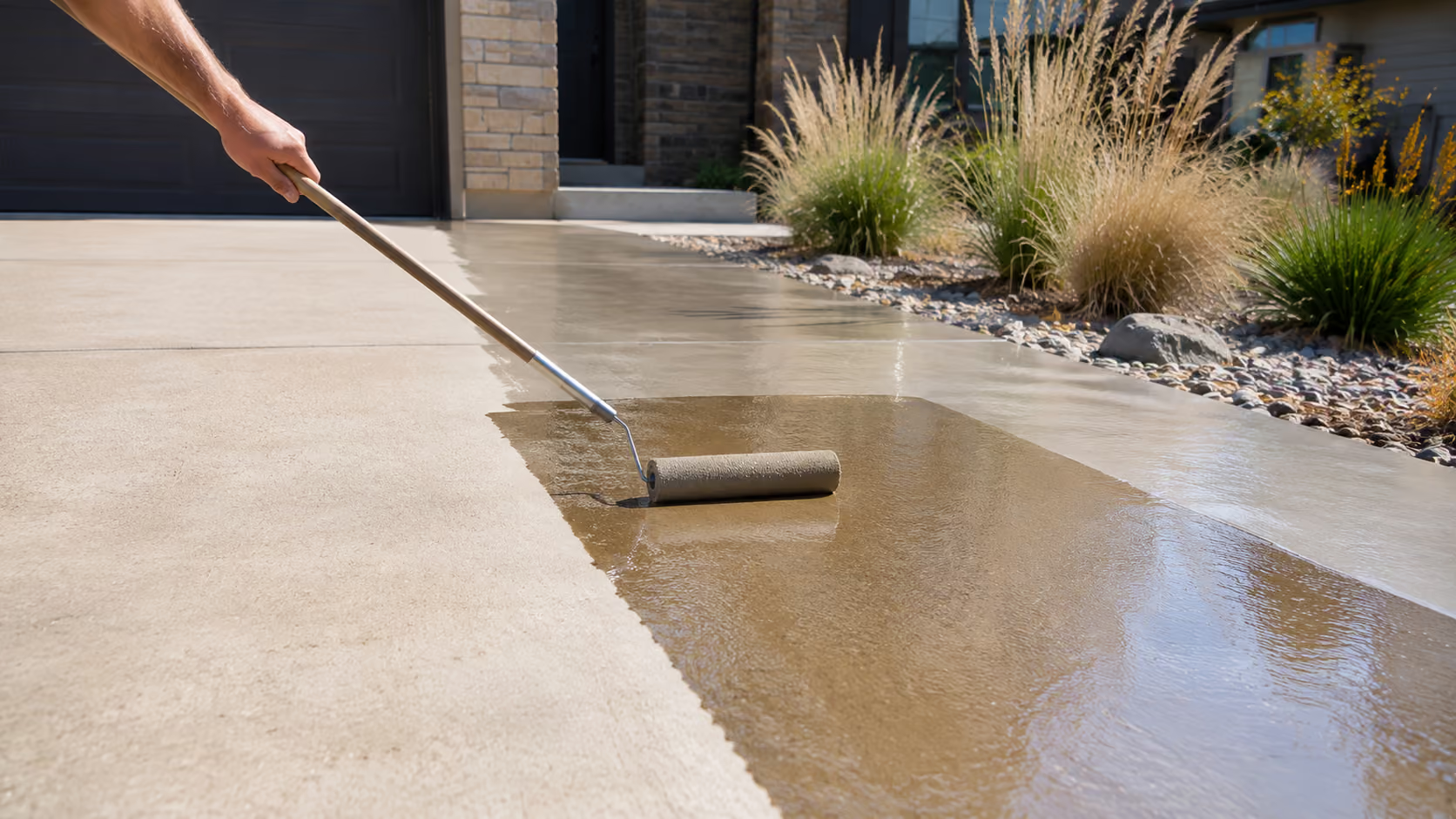
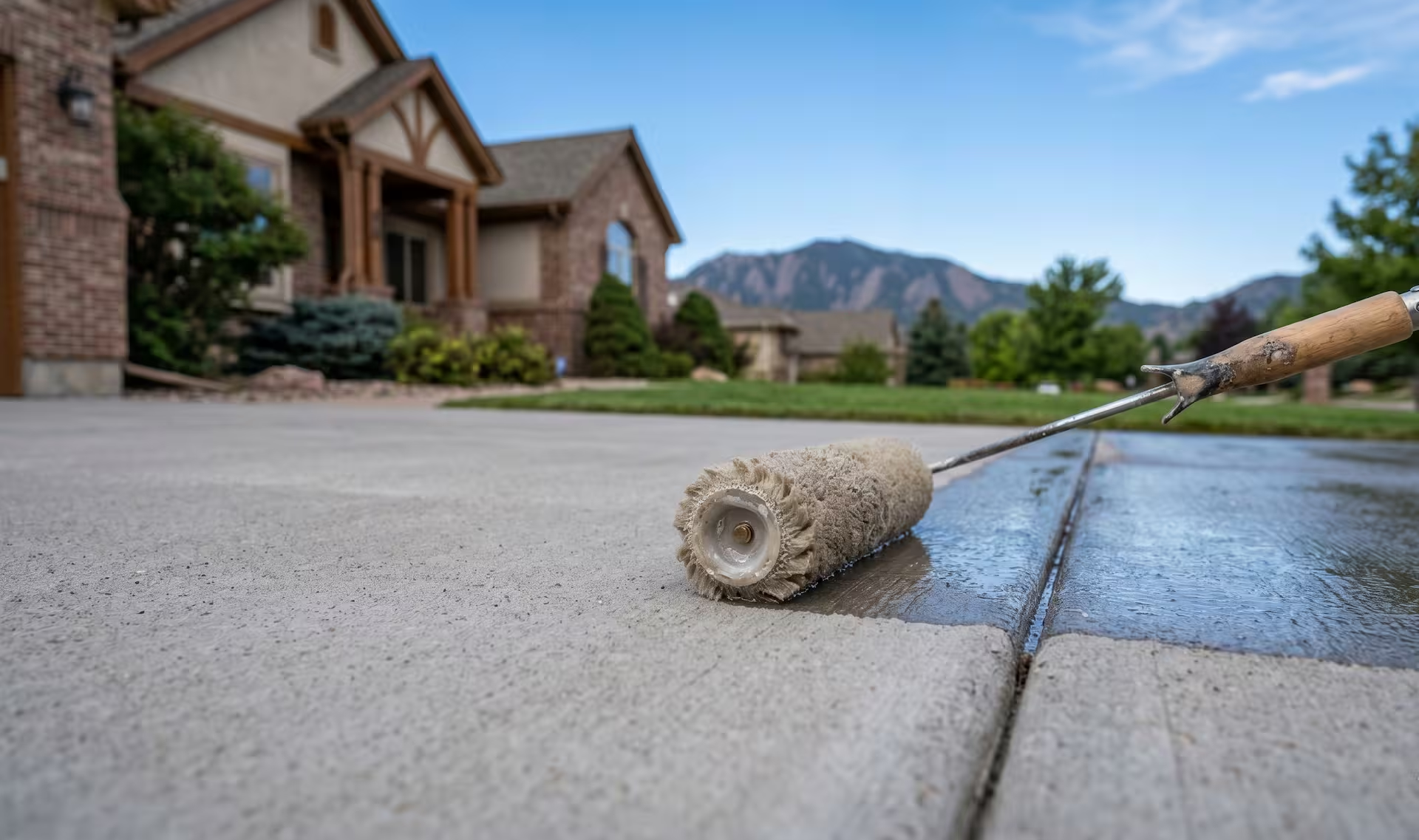
Denver's dry air pulls moisture out of fresh concrete too fast, weakening the final slab. Professional-grade curing compounds keep the slab properly hydrated during the critical first days. Sealing after curing protects against oil stains, moisture infiltration, and deicing salt damage — all common in Denver garages.
Concrete garage floor finish options for Denver homes
The finish you choose affects both the appearance and the functionality of your garage floor. Here are the most common options we install across the Denver metro:
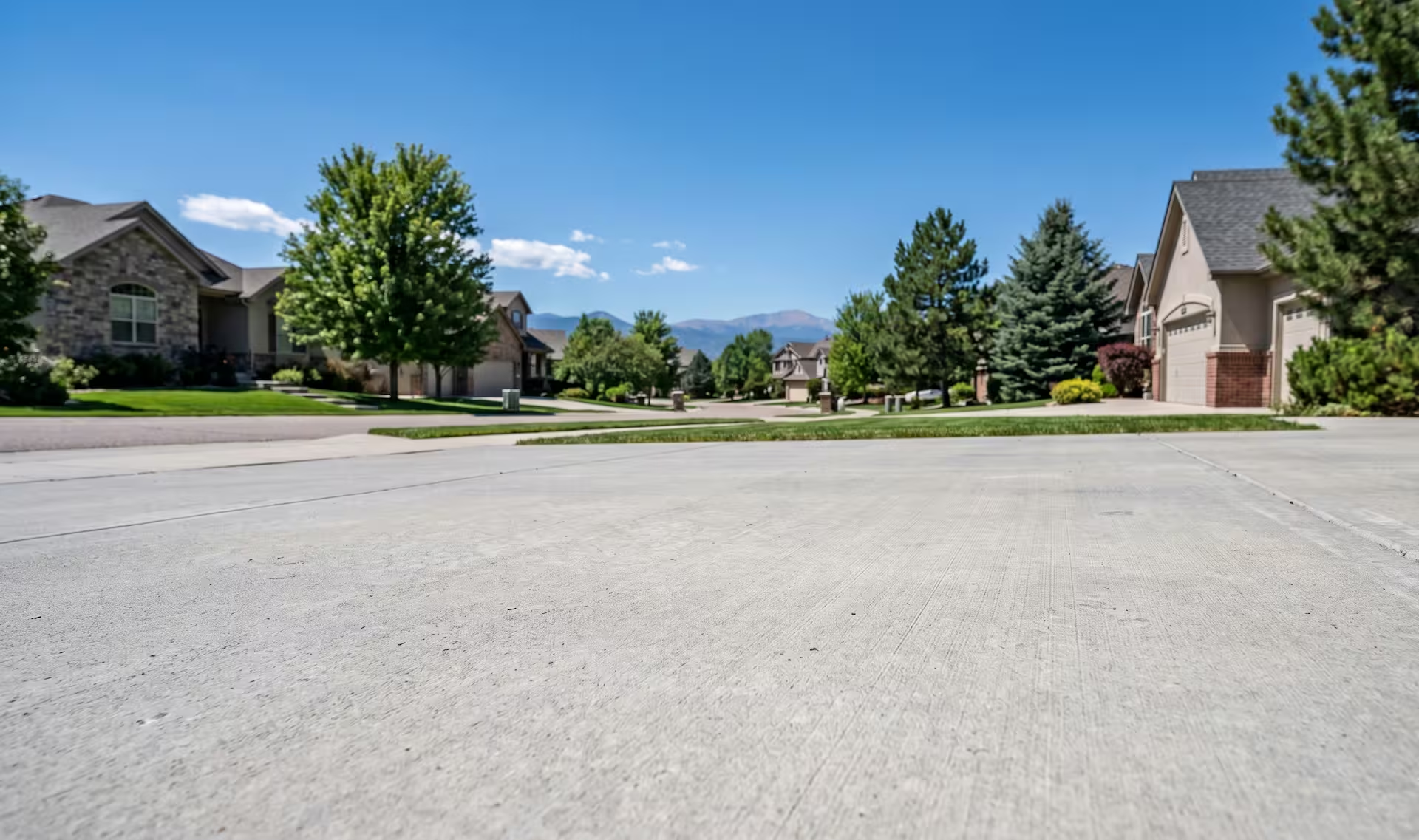
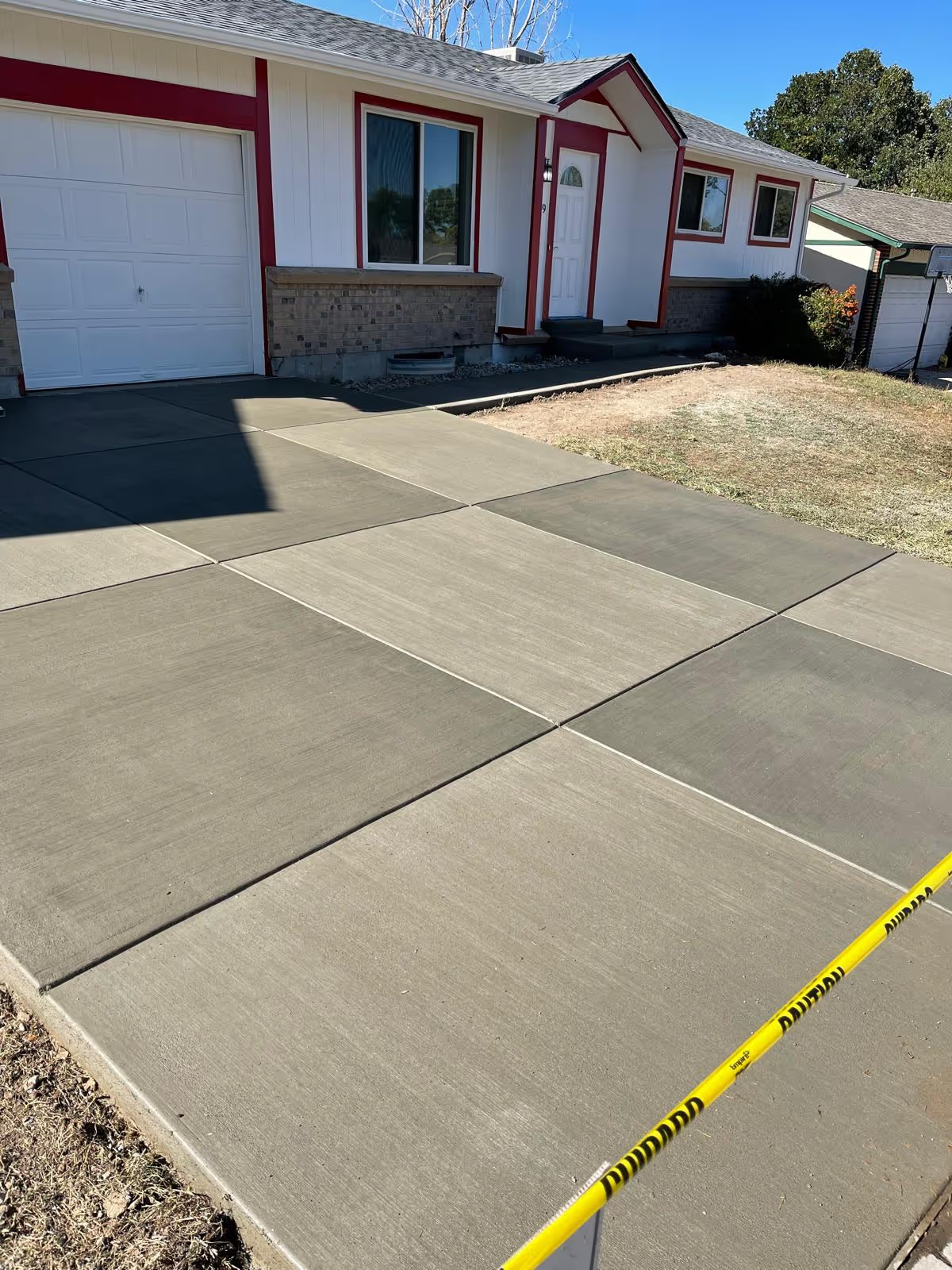
- Broom finish: The standard option — slip-resistant, durable, and the most cost-effective. Works well for most residential garages and holds up to daily vehicle traffic and Colorado weather.
- Smooth trowel finish: A denser, smoother surface that's easier to clean and provides an ideal base for epoxy coatings. Slightly more labor-intensive than a broom finish.
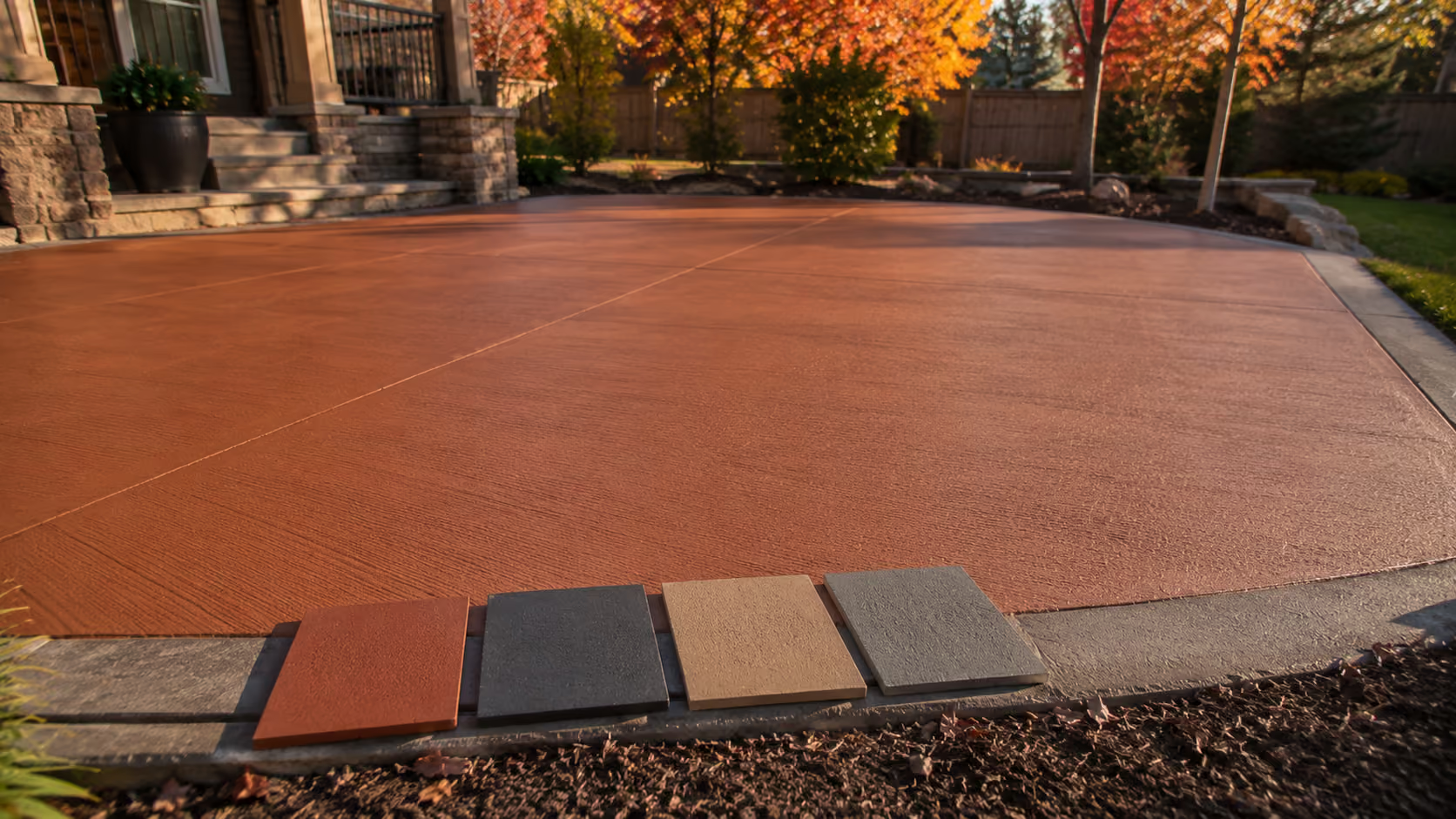
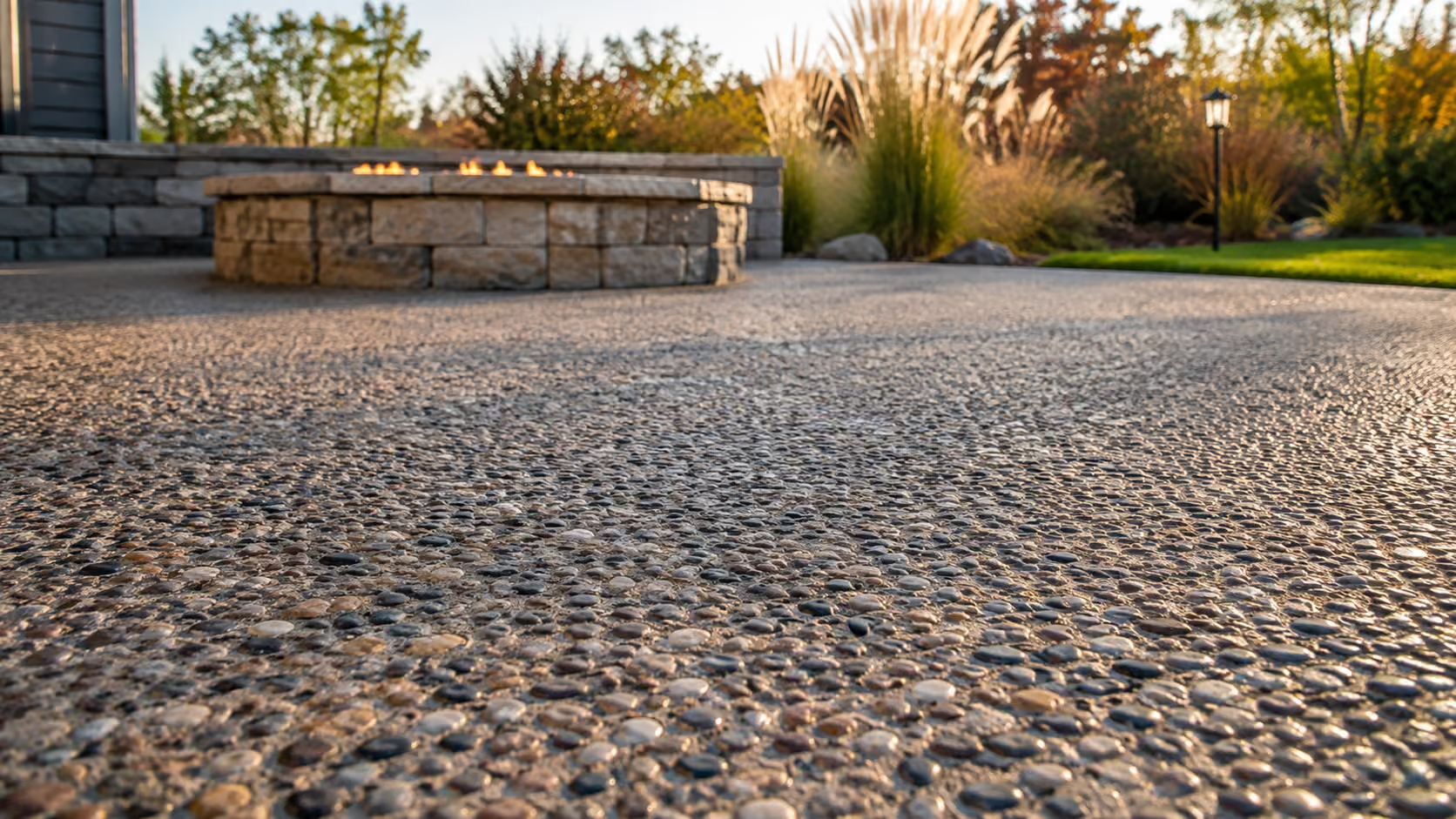
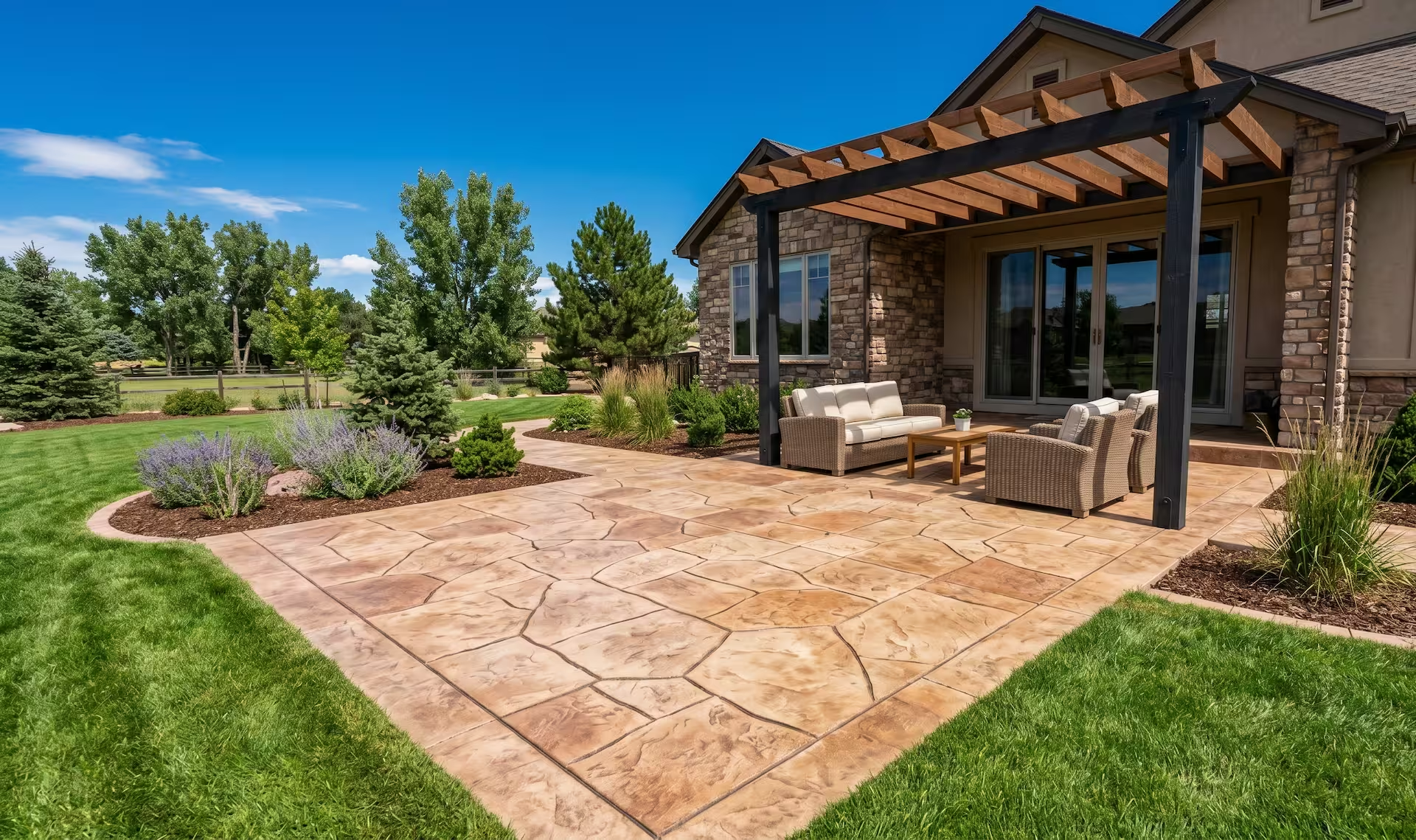
- Exposed aggregate: A textured decorative option that adds visual interest while maintaining slip resistance. Popular in garages that connect directly to outdoor spaces.
- Epoxy-ready surface: A premium smooth finish specifically prepared for epoxy coating application. If you're planning to epoxy coat your garage floor, the base concrete must meet specific flatness and porosity standards — something CC Concrete LLC builds to specification from day one.
For a look at our completed garage projects in the Denver area, visit our project gallery.
Replacing vs. resurfacing a damaged garage floor in Denver
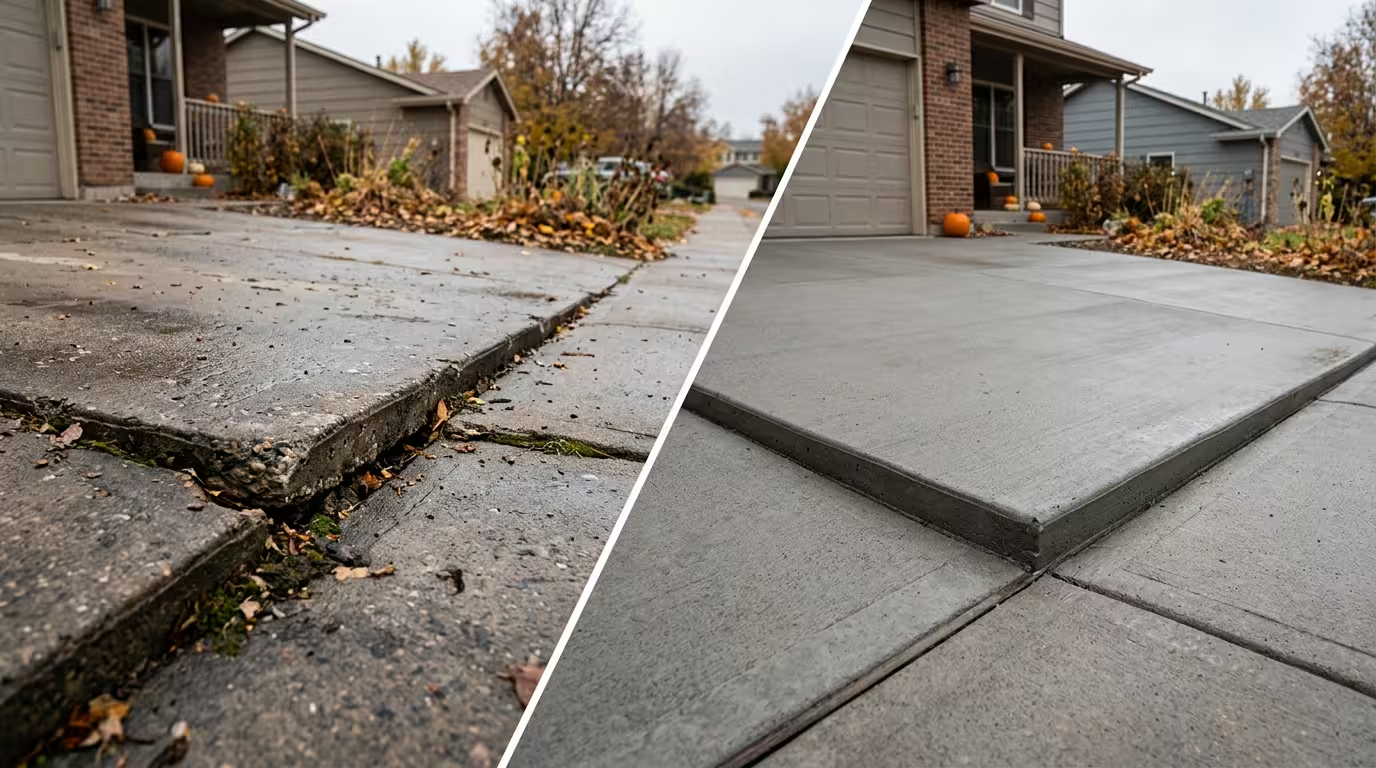
One of the most common questions we get from Denver homeowners is whether their damaged garage floor needs full replacement or whether resurfacing is a viable option. The answer depends on the nature and extent of the damage.
For structural damage caused by Denver's clay soil movement, resurfacing only addresses the surface — the underlying problem continues to worsen. In these cases, replacement with proper sub-base correction is the only long-term solution. See our guide on signs your concrete needs replacement to assess your situation before deciding.
How long does a concrete garage floor last in Denver?
A properly installed concrete garage floor in Denver should last 30 to 50 years with basic maintenance. The factors that determine longevity are:
- Sub-base quality: The most important factor. A properly compacted gravel base prevents the clay soil movement that causes cracking and settling.
- Concrete mix: Air-entrained, 3,500 to 4,000 PSI concrete handles Denver's freeze-thaw cycles and vehicle loads far better than standard mixes.
- Rebar: Keeps the slab structurally intact when ground movement occurs beneath it.
- Sealing: Protects the surface from moisture, oil, and chemical penetration. Resealing every 2 to 3 years extends the floor's lifespan significantly.
- Avoiding deicing salt: Road salt tracked in from vehicles is one of the leading causes of concrete surface damage in Denver garages. A sealed floor resists this damage far better than an unsealed one.
Frequently asked questions about concrete garage floors in Denver
How thick should a concrete garage floor be in Denver?
Standard residential garage floors are poured at 4 inches thick. For garages that will support heavier loads — RVs, heavy trucks, or workshop equipment — 5 to 6 inches is recommended. The thickness works together with rebar and sub-base preparation to determine the floor's load-bearing capacity.
How long before I can drive on my new garage floor?
You can walk on the surface after 24 to 48 hours. Standard vehicles should wait 7 to 10 days. Heavy trucks or RVs require up to 28 days for the concrete to reach full load-bearing capacity.
Should I seal my garage floor?
Yes — and in Denver's climate, sealing is strongly recommended. Sealing protects against moisture infiltration, oil and chemical staining, deicing salt damage, and UV degradation from light entering through garage doors. We apply sealer on every garage floor we install, and recommend resealing every 2 to 3 years thereafter.
Can I pour a concrete garage floor in winter in Denver?
Yes — but it requires additional measures. Cold weather pouring in Denver requires heated concrete mixes, thermal insulation blankets, and careful monitoring to ensure the slab cures properly above freezing temperatures. These measures add cost but are entirely feasible for experienced contractors. Late spring through early fall remains the optimal installation window.
Get a free concrete garage floor estimate in Denver
CC Concrete LLC has installed concrete garage floors across Denver, Thornton, Erie, Brighton, Broomfield, Westminster, and surrounding communities for over 30 years. Every project includes a free on-site estimate, rebar reinforcement, proper sub-base preparation, and transparent line-item pricing. Seniors and military members receive a 10% discount on all projects.
- Licensed and insured — serving Denver metro since 1994
- 500+ residential and commercial concrete projects completed
- Air-entrained, high-PSI concrete mix standard on all garage floors
- Rebar reinforcement and compacted gravel sub-base included
- Most garage floors completed in 1 to 2 days
A concrete garage floor built for Denver's demands
In Denver's climate, a concrete garage floor is only as good as the sub-base beneath it and the mix that goes into it. Furthermore, the difference between a floor that lasts 40 years and one that cracks in five comes down entirely to how it was installed. CC Concrete LLC builds every garage floor to the standards Denver's clay soils and freeze-thaw cycles demand — with the documentation, references, and completed projects to back it up. Schedule your free on-site estimate today →





.avif)

.avif)
.webp)