
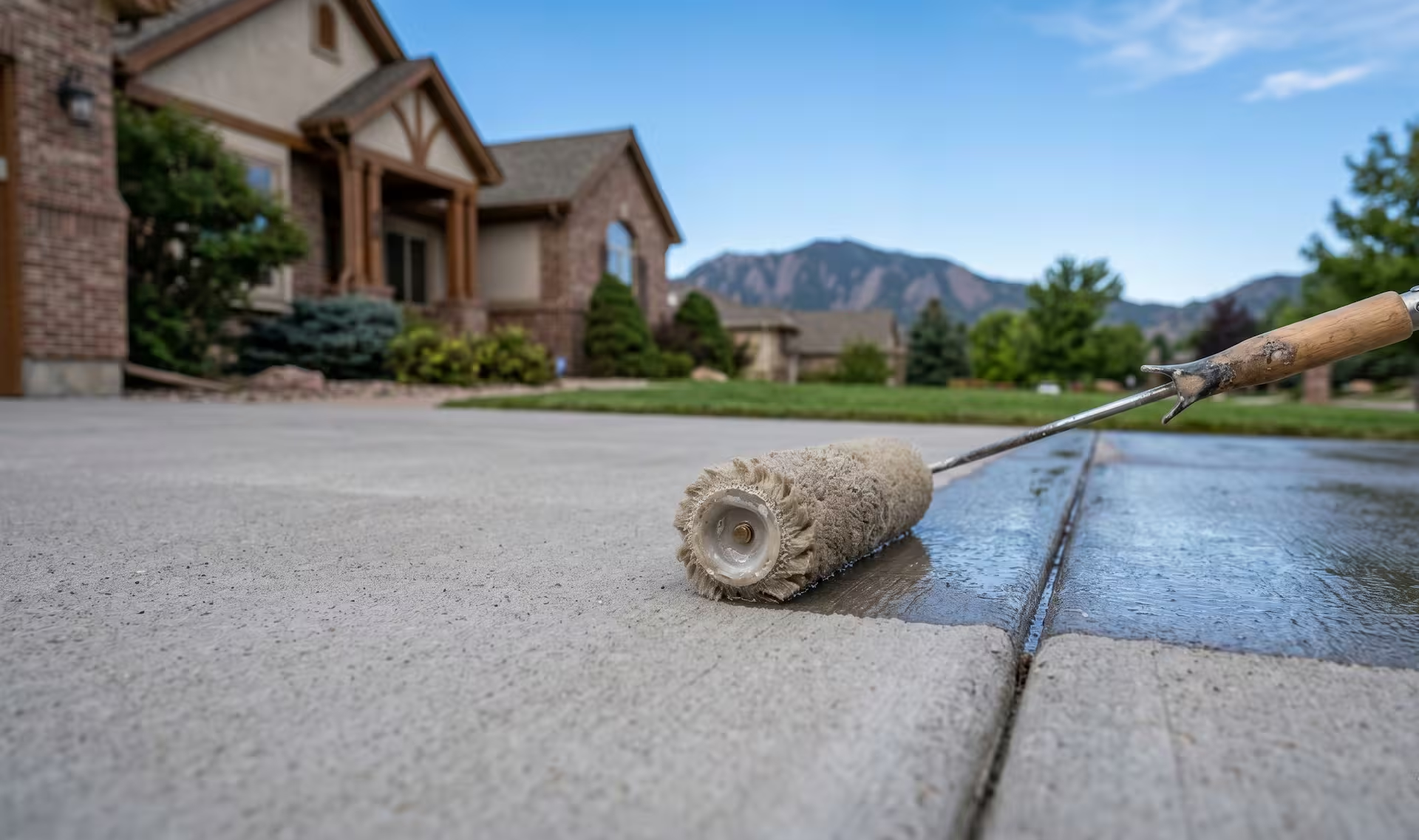
Knowing when to seal your concrete driveway in Denver is one of the most important — and most overlooked — maintenance decisions a homeowner can make. Colorado's freeze-thaw cycles, expansive clay soils, intense UV exposure, and deicing salt all work against unsealed concrete year-round. After 500+ projects across Denver, Thornton, Erie, Brighton, and Broomfield, CC Concrete LLC breaks down exactly when to seal, how often, and what happens when you don't.
Whether your driveway was just poured or has been in place for years, this guide gives you a clear sealing schedule, the right products for Colorado's climate, and the warning signs that tell you sealing can no longer wait.
Want a professional assessment of your driveway's condition? Request a free on-site estimate from CC Concrete LLC →
Why sealing your concrete driveway matters more in Denver
Concrete is porous. Left unsealed, it absorbs water, oil, deicing salt, and UV radiation — all of which accelerate deterioration from the inside out. In most U.S. cities, this happens gradually. In Denver, it happens fast.
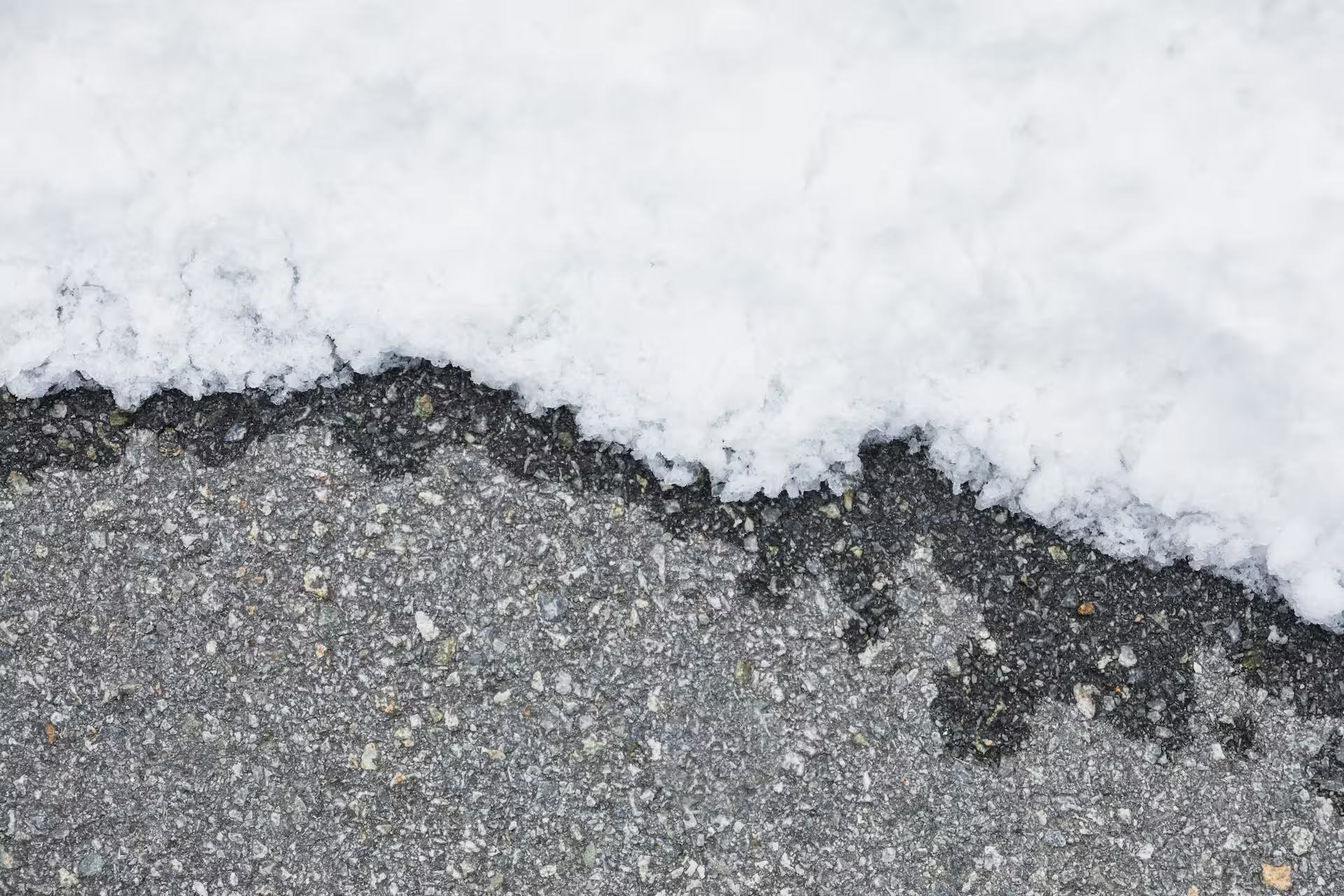
Denver averages 160+ freeze-thaw cycles per year. Every time water infiltrates unsealed concrete and freezes, it expands — creating internal pressure that causes surface scaling, spalling, and eventually structural cracking. Additionally, Colorado's high-altitude UV exposure degrades concrete surfaces faster than at lower elevations, and deicing salt tracked in from roads attacks the surface chemistry of unsealed slabs.
Therefore, sealing in Denver is not optional maintenance — it is the primary defense that determines whether your driveway lasts 15 years or 40. For more on what affects concrete longevity in Colorado, see our guide on how long concrete lasts in Colorado.
When to seal a new concrete driveway in Denver
Timing the first seal correctly is critical. Sealing too early traps moisture inside the slab and weakens the concrete. Sealing too late leaves the surface exposed during its most vulnerable period.
For new concrete driveways in Denver, the correct sealing window is:
- Minimum wait: 28 days after the pour — this is when concrete reaches full cure strength
- Ideal window: 30 to 90 days after installation
- Temperature requirement: air and surface temperature must be above 50°F during application and for at least 24 hours after
- Weather requirement: no rain forecast for 24 to 48 hours after application
CC Concrete LLC applies a professional-grade sealer on every new driveway we install — timed correctly within the curing window. However, if your driveway was installed without sealing, the next best time is as soon as conditions allow.
How often should you reseal a concrete driveway in Denver?
In Denver's climate, concrete driveways should be resealed every 2 to 3 years. This is more frequent than the national average of 3 to 5 years — and for good reason. Colorado's combination of UV intensity, freeze-thaw pressure, and deicing salt exposure breaks down sealers faster than in milder climates.
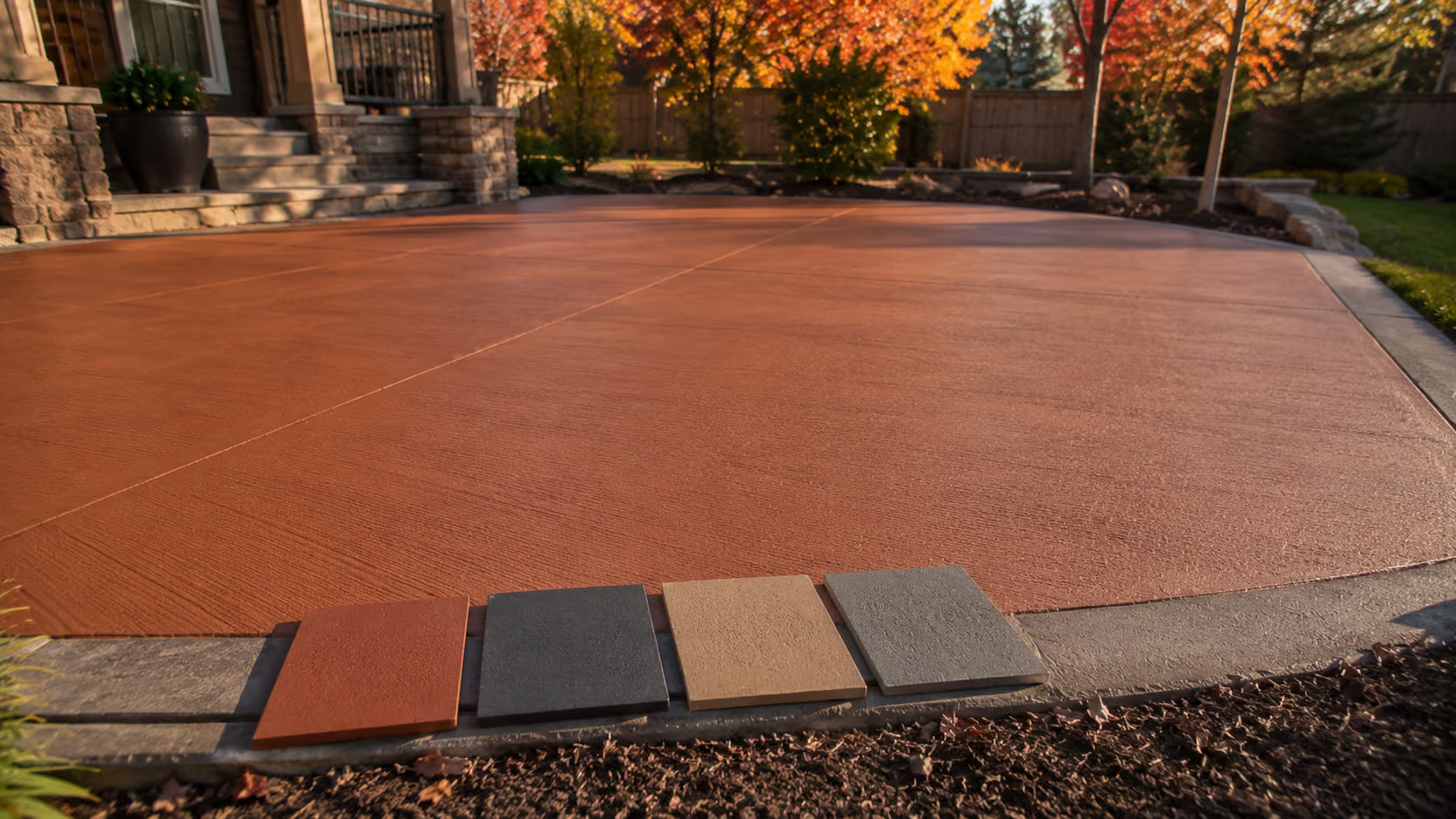
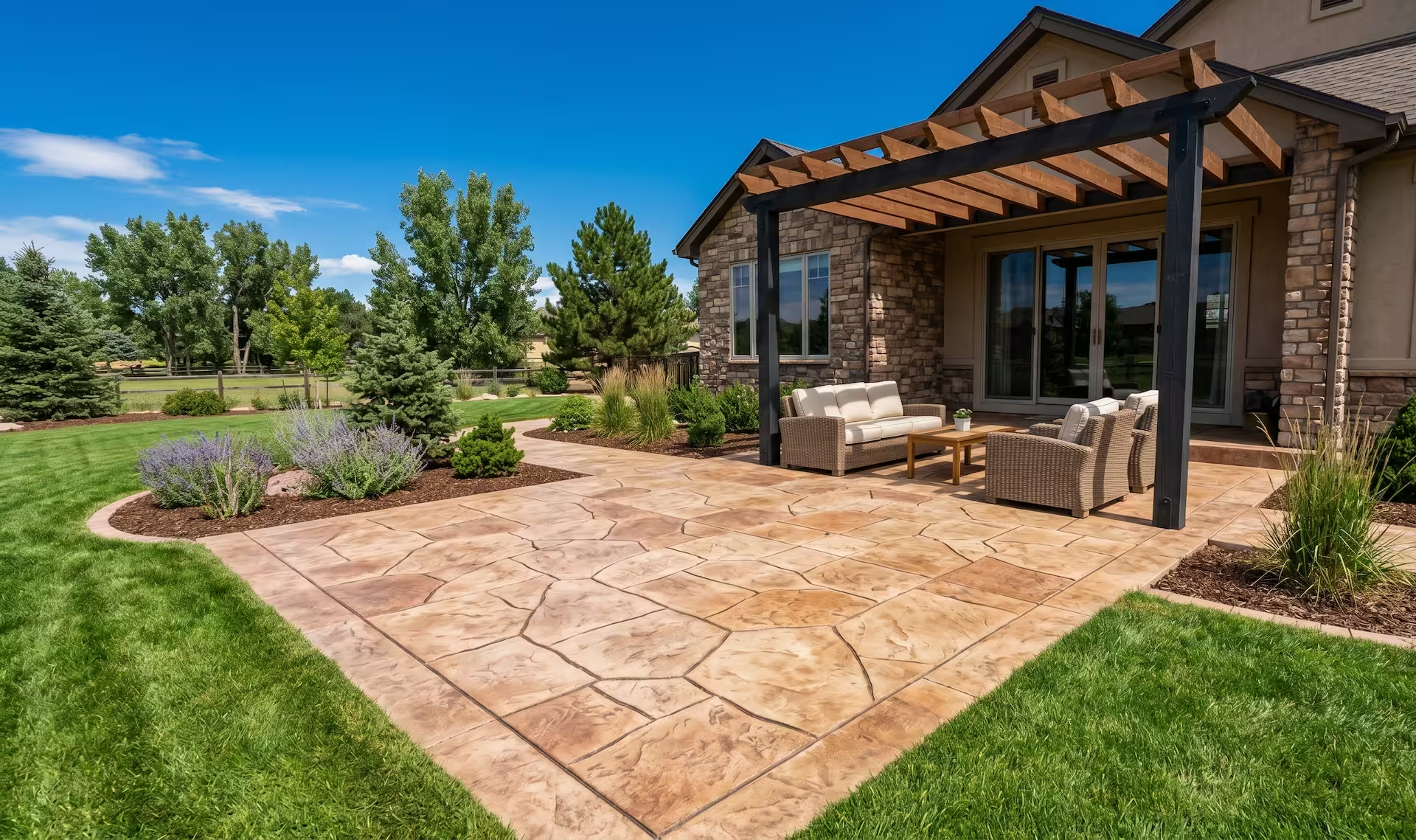
For stamped concrete driveways specifically, resealing every 2 years is strongly recommended — sealer protects both the color and the surface pattern from UV fading and moisture penetration. Learn more about our stamped concrete driveway services in Denver.
Best time of year to seal a concrete driveway in Denver
Timing your sealing project around Denver's seasons makes a significant difference in how well the sealer adheres and performs. Here is how each season looks for sealing in the Denver metro:
Spring (April – May) — ideal
Late spring is the best window for sealing in Denver. Temperatures are consistently above 50°F, humidity is moderate, and there are fewer extreme weather events. Sealing in spring also protects the surface before summer UV exposure and prepares it for the following winter's freeze-thaw cycles.
Summer (June – August) — good, with precautions
Summer works well for sealing as long as you avoid the hottest part of the day. Applying sealer on a surface above 90°F causes it to dry too quickly and bubble. Early morning application — before 9 AM — is strongly recommended during Denver's hot summer months.
Fall (September – October) — good
Early fall is another excellent window. Temperatures are moderate and stable, and sealing before the first freeze gives the sealer time to fully cure before winter stress begins. Additionally, fall sealing is one of the most effective ways to protect your driveway through Denver's harshest season.
Winter (November – March) — avoid
Sealing in freezing temperatures is not recommended. Below 50°F, most sealers cannot cure properly — resulting in a weak, peeling surface that provides little protection. Furthermore, sealing over a surface that still holds residual moisture from snow or rain leads to adhesion failure.
Warning signs your concrete driveway needs sealing now
You don't always need a calendar reminder to know it's time to reseal. Your driveway will show clear signs when the existing sealer has worn down and the surface is exposed. Look for these indicators:
- Water no longer beads on the surface. A properly sealed driveway causes water to bead and roll off. When water soaks in instead, the sealer is gone.
- Surface color looks faded or dull. UV degradation is visible as a loss of depth and color — especially on stamped or colored concrete.
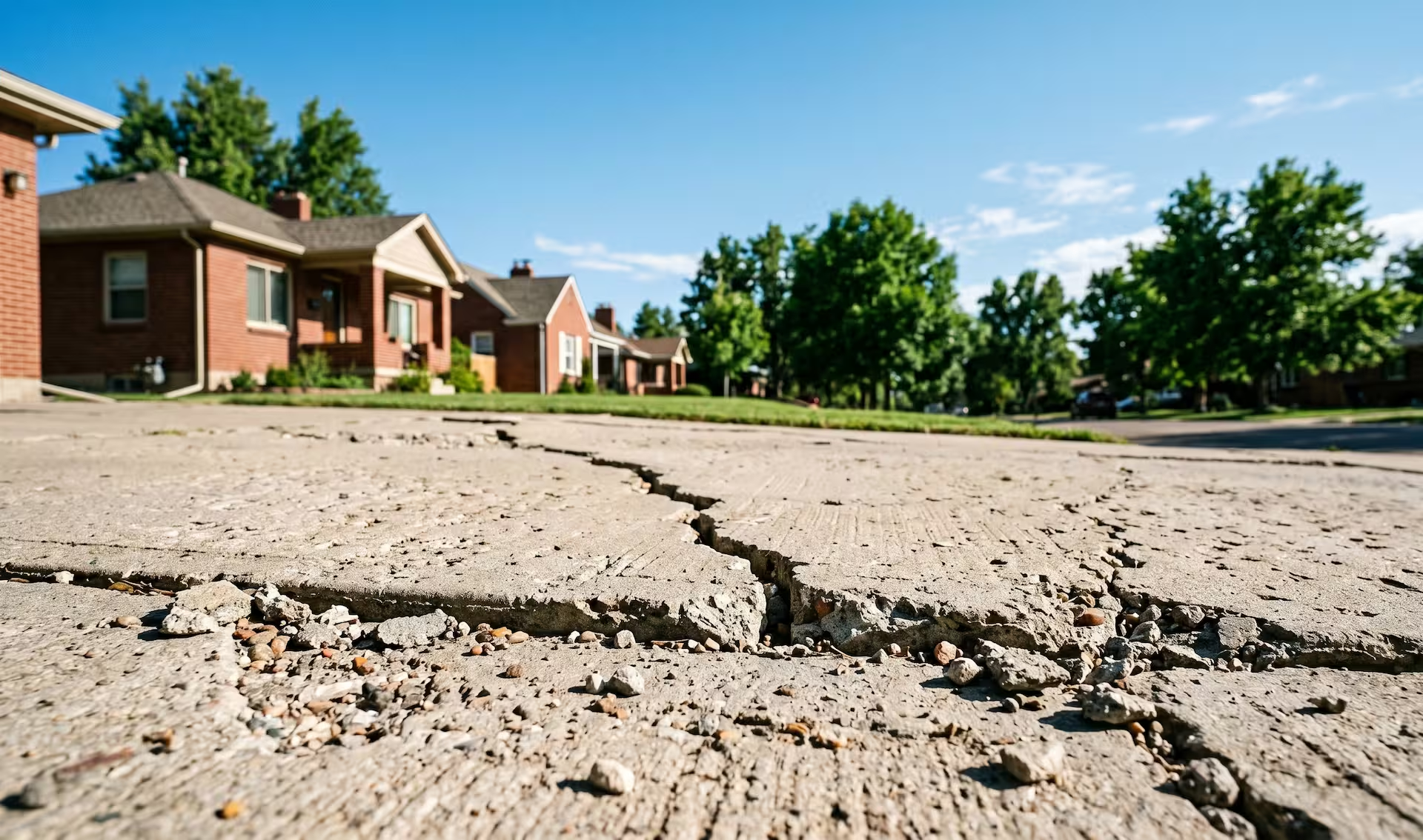
- Surface scaling or flaking. Small chips or flakes on the surface indicate freeze-thaw damage that has already begun. Sealing now prevents deeper deterioration.
- Oil stains penetrate quickly. Unsealed concrete absorbs oil and chemicals almost instantly. If stains are soaking in rather than sitting on the surface, the sealer is worn.
- Visible hairline cracks forming. Early-stage surface cracking is a sign that moisture infiltration and freeze-thaw pressure are already working against the slab.
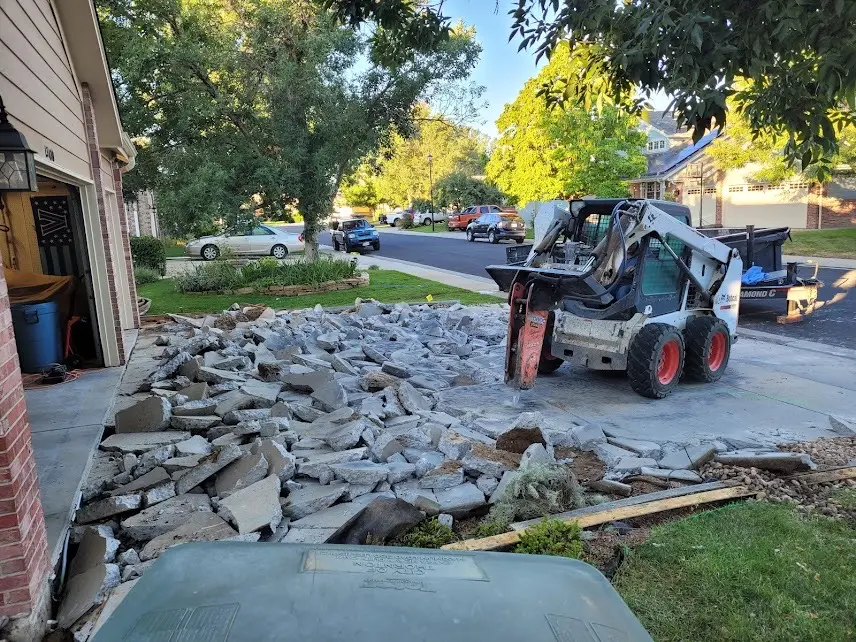
If your driveway shows structural cracks, heaving, or significant spalling, sealing alone may not be sufficient. See our guide on 5 signs your concrete needs replacement to determine whether repair or replacement is the right next step.
What type of sealer is best for Denver driveways?
Not all concrete sealers perform equally in Colorado's climate. Here is a breakdown of the most common types and how they perform in Denver's conditions:
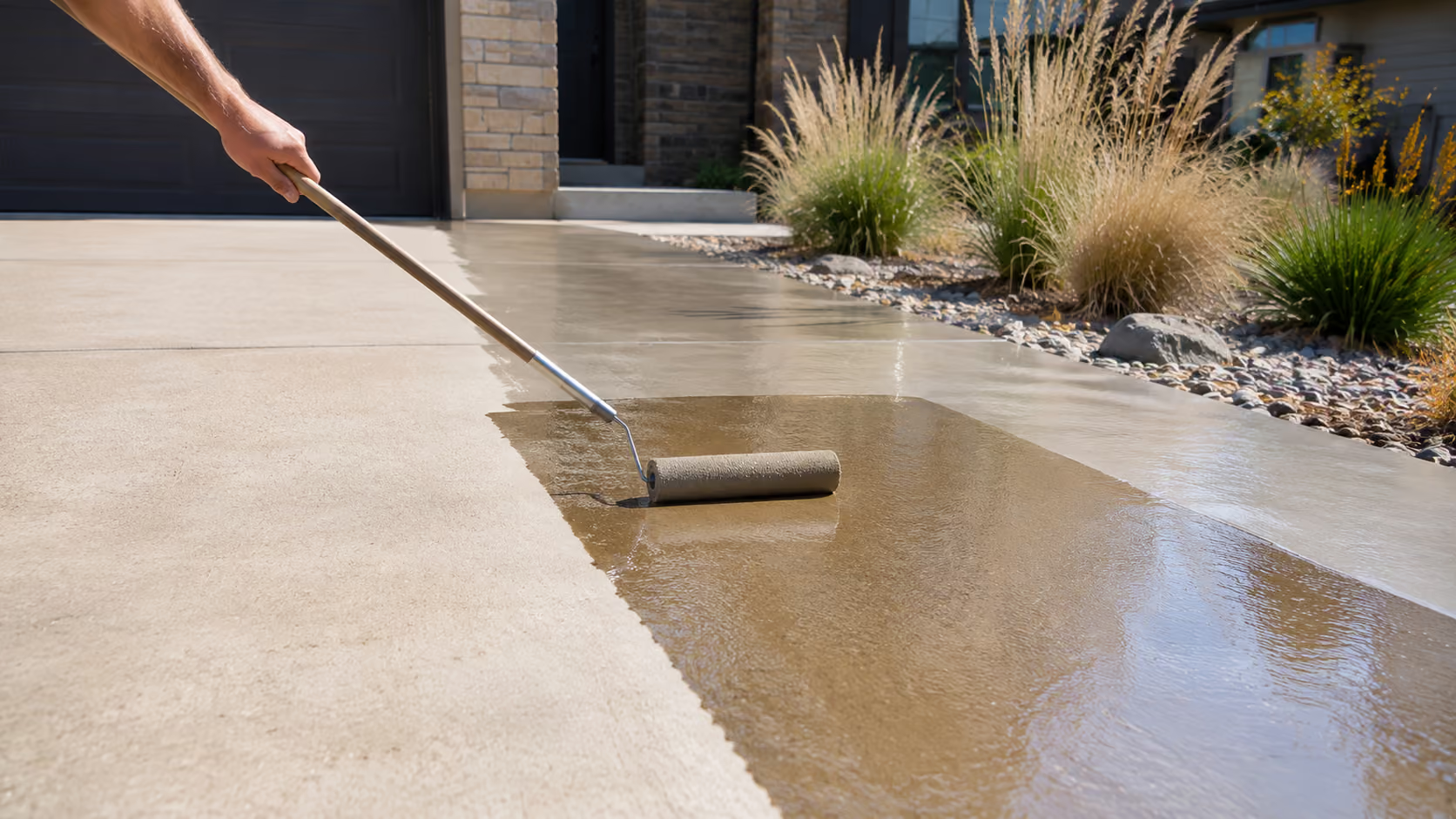
For most Denver driveways, a penetrating silane/siloxane sealer provides the best long-term protection — it absorbs into the concrete rather than forming a surface film, which means it won't peel or bubble through freeze-thaw cycles. For stamped concrete, an acrylic sealer that enhances color while providing UV and moisture protection is the right choice.
Frequently asked questions about sealing concrete driveways in Denver
Can I seal my concrete driveway myself?
Yes — but product selection, surface preparation, and application technique matter significantly. An improperly applied sealer can trap moisture, peel, or provide uneven coverage that leaves sections exposed. Professional application ensures the right product is used at the right thickness, with proper surface cleaning and preparation beforehand.
How long does concrete sealer last in Denver?
In Denver's climate, most concrete sealers last 2 to 3 years on driveways with regular vehicle traffic. Penetrating sealers on lower-traffic surfaces may last up to 5 years. The water bead test — pouring a small amount of water on the surface — is the easiest way to check whether your sealer is still active.
Should I seal my driveway before or after winter?
Both windows work well. Sealing in fall — before the first freeze — gives the surface maximum protection through winter. Sealing in spring — after the last freeze — addresses any damage from the winter just passed and prepares the surface for summer UV exposure. Either approach is far better than leaving the surface unsealed through another Denver winter.
Does sealing prevent all concrete cracking?
Sealing significantly reduces moisture infiltration and freeze-thaw damage — the two primary causes of surface cracking in Denver. However, it does not prevent structural cracking caused by inadequate sub-base preparation or soil movement. That protection comes from proper installation — rebar, compacted gravel base, and correctly placed control joints.
Professional concrete sealing and driveway services in Denver
CC Concrete LLC applies professional-grade sealer on every driveway we install — and offers sealing services for existing concrete across Denver, Thornton, Erie, Brighton, Broomfield, Westminster, and surrounding communities. Every estimate is free, on-site, and includes a full surface assessment. Seniors and military members receive a 10% discount on all projects.
- Licensed and insured — serving Denver metro since 1994
- 500+ residential and commercial concrete projects completed
- Professional-grade sealers selected for Colorado's climate
- Sealing included on every new driveway installation
- Free on-site assessments — know your options before you commit
Don't wait for damage to decide it's time to seal
In Denver's climate, an unsealed concrete driveway is not just unprotected — it is actively deteriorating with every freeze-thaw cycle and every UV-intense Colorado day. Furthermore, sealing on schedule is always cheaper than repairing or replacing a surface that could have been protected. Spring and fall are the ideal windows — and CC Concrete LLC is ready to help you assess your driveway's condition and protect it properly. Schedule your free on-site estimate today →




.avif)

.avif)

.avif)
.webp)