
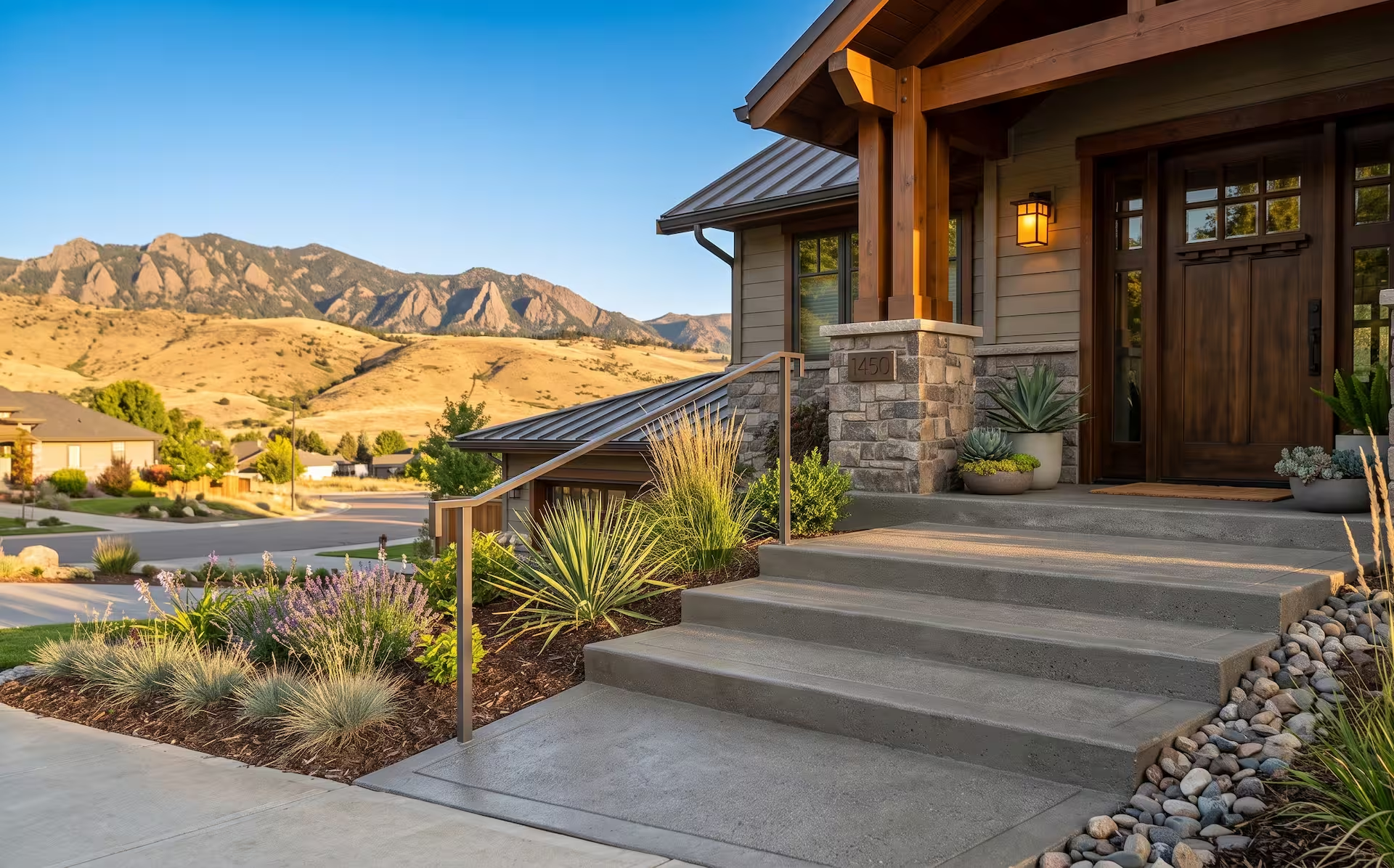
The concrete stairs cost in Denver is one of the most common questions homeowners ask when planning a front entrance upgrade, replacing damaged steps, or adding access to a new deck or patio. After 500+ projects across Denver, Thornton, Erie, Brighton, and Broomfield, CC Concrete LLC breaks down real 2026 pricing, the most popular styles for Colorado homes, and what to watch for when comparing contractor estimates.
Whether you are replacing cracked or heaved stairs damaged by Denver's freeze-thaw cycles or building new steps for a front entrance remodel, this guide gives you everything you need to budget accurately and make the right decision.
Ready to get a number for your stair project? Request a free on-site estimate from CC Concrete LLC →
2026 concrete stairs cost in Denver: real pricing ranges
Based on projects we completed across the Denver metro in 2025 and 2026, here are realistic cost ranges for concrete stair installation — including excavation, forming, pour, finishing, and cleanup:
These figures reflect Denver metro conditions as of 2026 — including local labor rates, material costs, and the forming work that concrete stairs require. Additionally, projects that include landing pads, decorative edges, or integrated handrail footings add to the total cost.
For a broader look at concrete pricing across all project types, see our 2026 Denver concrete cost guide.
What affects concrete stair cost in Denver
Several factors push stair costs above or below the averages above. Understanding them helps you evaluate quotes accurately and avoid surprises after work begins.
Number of steps and width
More steps mean more forming, more concrete, and more labor time. Additionally, wider stairs — common on front entrances and wraparound designs — require significantly more material and formwork than standard 4-foot wide steps.
Finish type
A standard broom finish is the most cost-effective and the most slip-resistant option for Colorado's climate. Stamped concrete stairs add visual appeal but require additional labor for color, release agents, and hand-stamping. Furthermore, exposed aggregate finishes fall in the middle — more decorative than broom, less expensive than stamped.
Old stair demolition
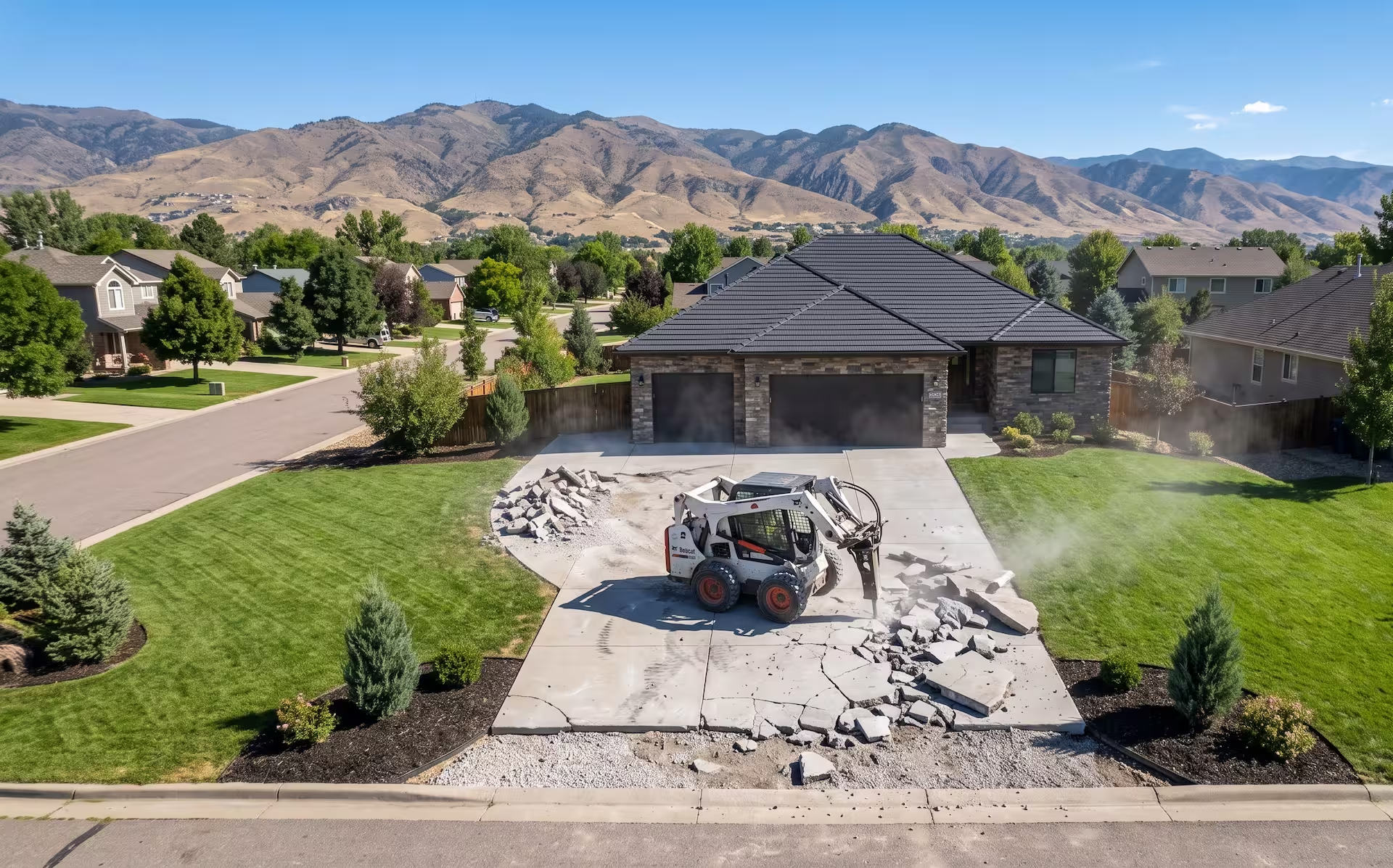
Removing existing stairs typically adds $200 to $600 to the project total depending on size and accessibility. However, starting with a clean, properly prepared base is almost always worth it — patching over failed stairs only delays the same problem.
Landing pad
Many stair projects include a landing pad at the base — a small concrete slab that transitions from the stairs to the walkway or driveway. This adds cost but significantly improves the finished look and durability of the installation. Therefore, we recommend including a landing pad on most stair projects.
Handrail footings
If your project requires handrails for code compliance or accessibility, the concrete must include properly formed and reinforced footing sleeves. Consequently, this adds labor and planning time — but it is required on stairs above a certain height in most Denver metro municipalities.
Most popular concrete stair styles for Denver homes
The style you choose affects both the aesthetic of your entrance and the long-term performance of the stairs in Colorado's climate. Here are the most popular options we install across the Denver metro:
- Broom finish stairs: The most practical choice for Denver — slip-resistant, durable, and the most affordable. Works well with any home style and handles Colorado's freeze-thaw cycles without issues.
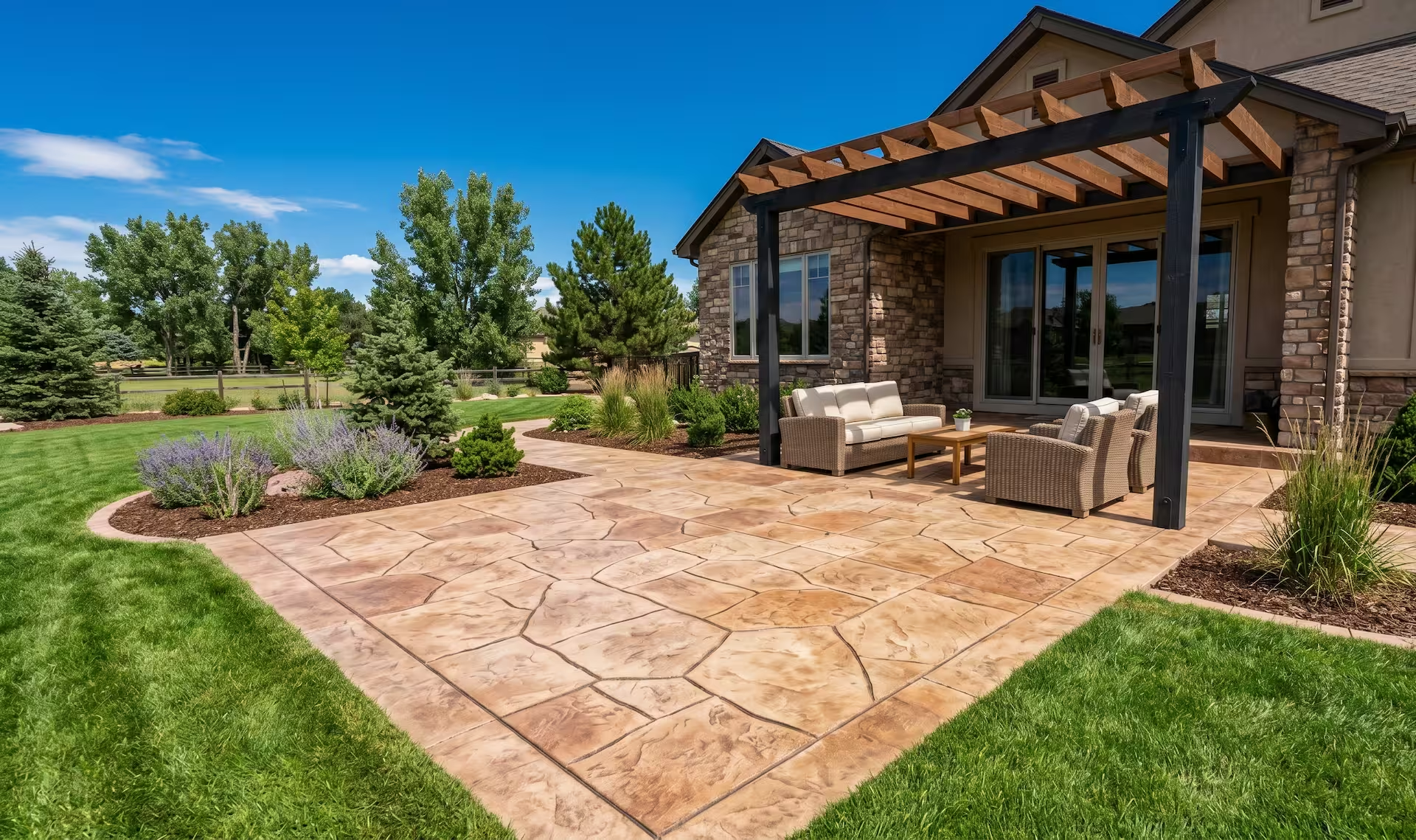
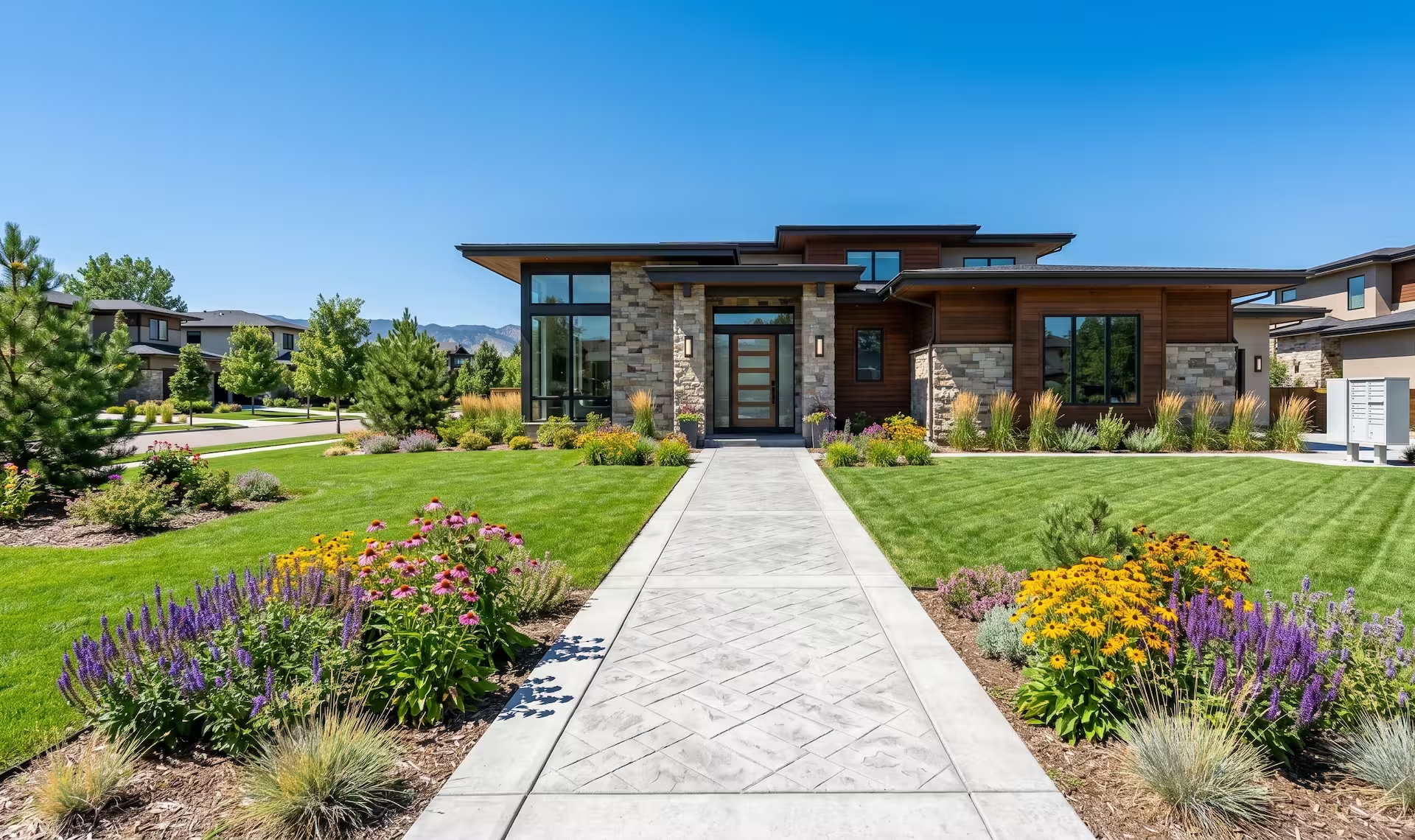
- Stamped concrete stairs: Adds significant curb appeal with patterns that mimic natural stone, slate, or brick. Requires sealing every 2 to 3 years to maintain color and surface protection. Additionally, pairs beautifully with stamped patios or driveways for a cohesive look.
- Exposed aggregate stairs: A textured, decorative option that provides excellent grip and a natural stone appearance. Holds up well in Colorado's climate and requires less maintenance than stamped.
- Colored concrete stairs: Integral pigment added to the mix before the pour — provides consistent color throughout the slab rather than just on the surface. Furthermore, it holds color better over time than surface-applied stains.
- Wraparound or radius stairs: Custom curved or L-shaped designs that expand the entrance and create a more dramatic first impression. These require more complex forming and therefore cost more — but they dramatically transform a home's curb appeal.
To see completed stair projects across Denver and surrounding communities, visit our project gallery.
The Colorado factor: what Denver's climate does to concrete stairs
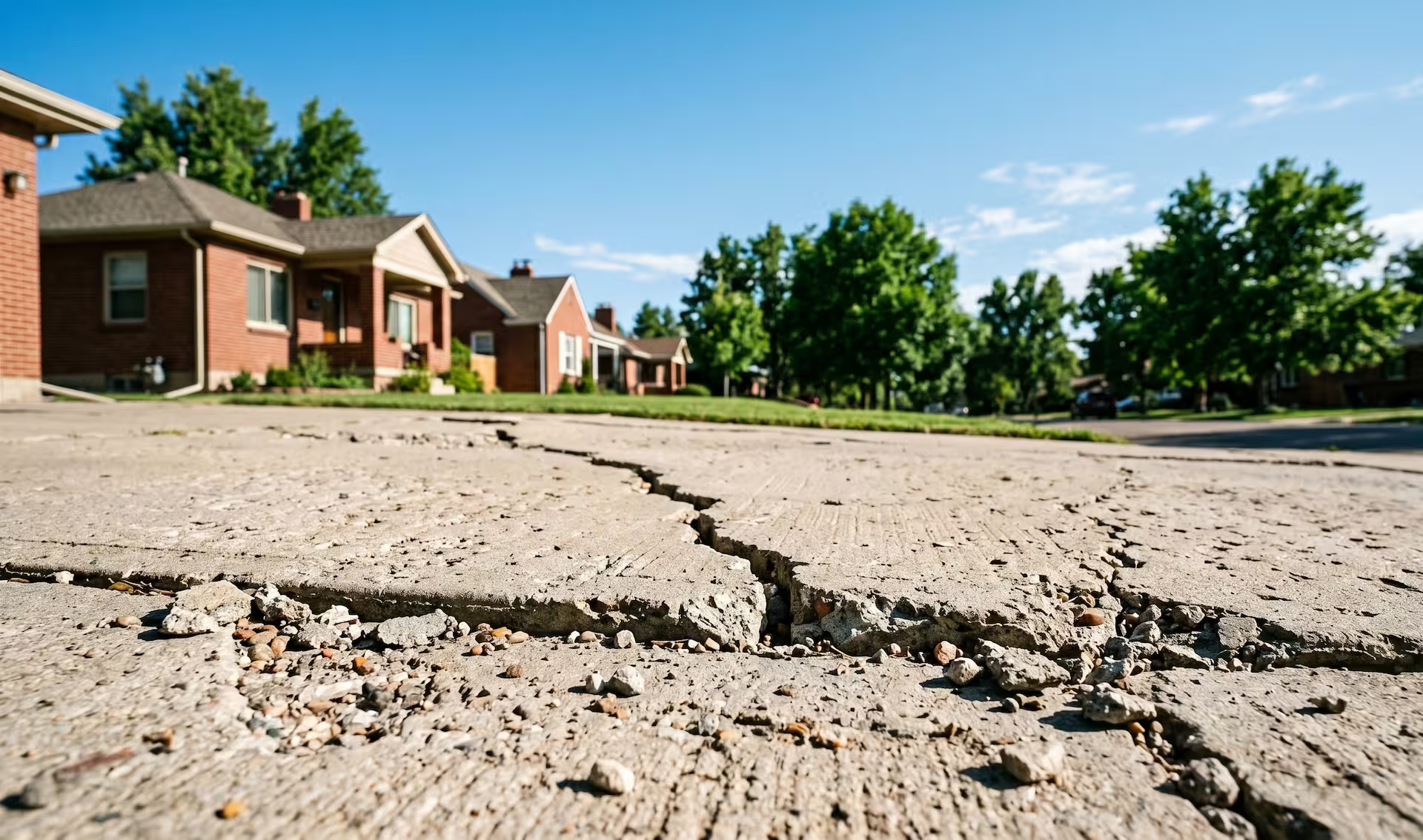
Concrete stairs in Denver face specific demands that most other U.S. cities don't. The combination of freeze-thaw cycles, clay soil movement, deicing salt, and intense UV exposure creates conditions that accelerate deterioration when installation shortcuts are taken.
- Freeze-thaw cycles: Denver averages 160+ freeze-thaw cycles per year. Air-entrained concrete mixes are essential to prevent surface scaling and internal cracking on stairs exposed to moisture.
- Clay soil movement: Denver's expansive clay shifts with moisture changes, exerting upward pressure on stair foundations. Proper excavation and sub-base preparation are what prevent stairs from shifting, cracking, or separating from the house.
- Deicing salt: Salt applied to icy stairs accelerates surface deterioration significantly. A properly sealed stair surface resists salt infiltration far better than an unsealed one.
- UV exposure: Colorado's high-altitude sun degrades unsealed colored and stamped concrete faster than at lower elevations. Sealing is not optional on decorative finishes.
A properly installed concrete staircase in Denver should last 30+ years. For more on concrete longevity in Colorado, see our guide on how long concrete lasts in Colorado.
Repair vs. replacement: when to replace your Denver concrete stairs
Not every damaged staircase needs full replacement. However, in Denver's clay soil conditions, surface repairs on structurally failed stairs rarely provide lasting results. Here is how to evaluate your situation:
For a detailed look at damage indicators, see our guide on 5 signs your concrete needs replacement.
Frequently asked questions about concrete stairs in Denver
How long do concrete stairs last in Denver?
A properly installed concrete staircase in Denver — with adequate sub-base preparation, air-entrained concrete mix, and regular sealing — should last 30 to 50 years. The most common causes of premature failure are inadequate sub-base preparation and failure to seal against moisture and deicing salt.
Do I need a permit for concrete stairs in Denver?
Permit requirements vary by municipality and project scope. Generally, replacing existing stairs in the same footprint does not require a permit. However, new stair construction, significant changes to size or height, or work near the right-of-way may require permits in Denver, Thornton, Erie, Westminster, and Brighton. CC Concrete LLC researches and handles permit requirements on every project.
How long before I can use my new concrete stairs?
You can walk on new concrete stairs after 24 to 48 hours. However, avoid heavy loads and furniture for at least 7 days while the concrete reaches working strength.
Should I seal my concrete stairs?
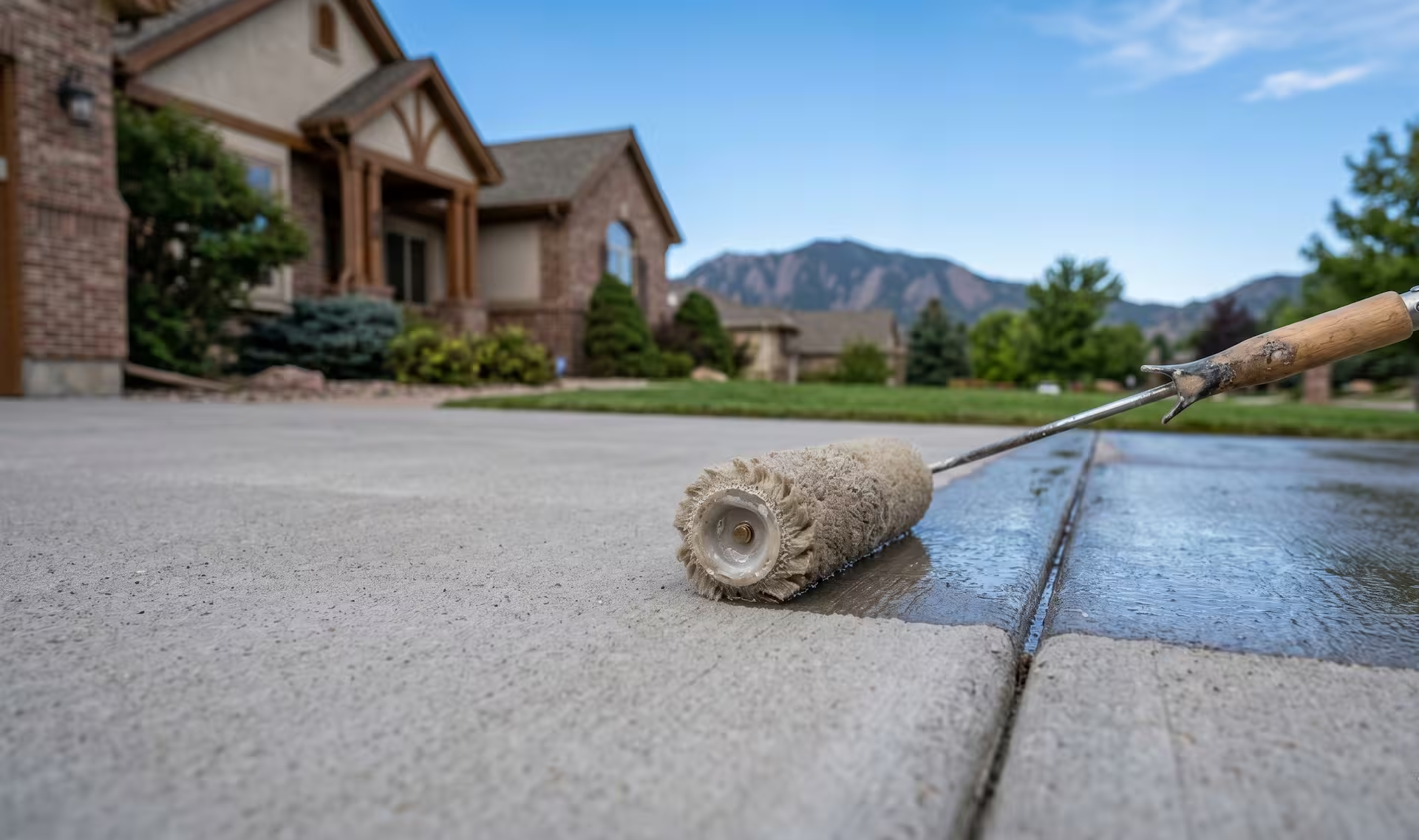
Yes — and in Denver's climate, sealing is strongly recommended. Sealing protects against moisture infiltration, deicing salt damage, and UV degradation. We apply sealer on every stair installation and recommend resealing every 2 to 3 years.
Get a free concrete stairs estimate in Denver
CC Concrete LLC has installed and replaced concrete stairs across Denver, Thornton, Erie, Brighton, Broomfield, Westminster, and surrounding communities for over 30 years. Every project includes a free on-site estimate, transparent line-item pricing, and full permit research and compliance. Seniors and military members receive a 10% discount on all projects.
- Licensed and insured — serving Denver metro since 1994
- 500+ residential and commercial concrete projects completed
- Air-entrained concrete mix and proper sub-base standard on all stairs
- Sealing included on every decorative stair installation
- Most stair projects completed in 1 to 2 days
Concrete stairs built for Denver's demands
Concrete stairs in Denver cost between $800 and $7,000+ in 2026 depending on size, style, and site conditions — with most residential projects falling between $1,500 and $3,500. Furthermore, in a city where clay soils, freeze-thaw cycles, and deicing salt all work against concrete longevity, the installation process matters as much as the price. CC Concrete LLC builds every staircase to the standards Denver's environment demands — with the references, completed projects, and transparent pricing to back it up. Schedule your free on-site estimate today →
.avif)

.avif)

.avif)
.webp)